
Packaging bottles are among the most widely used container formats across consumer and industrial markets. From beverages and personal care to pharmaceuticals and chemicals, bottles offer versatility, protection, and branding flexibility that few other packaging formats can match.
This guide explains what packaging bottles are, the different types and materials available, where they’re commonly used, and how to source the right bottle solution for your product.
What Are Packaging Bottles?
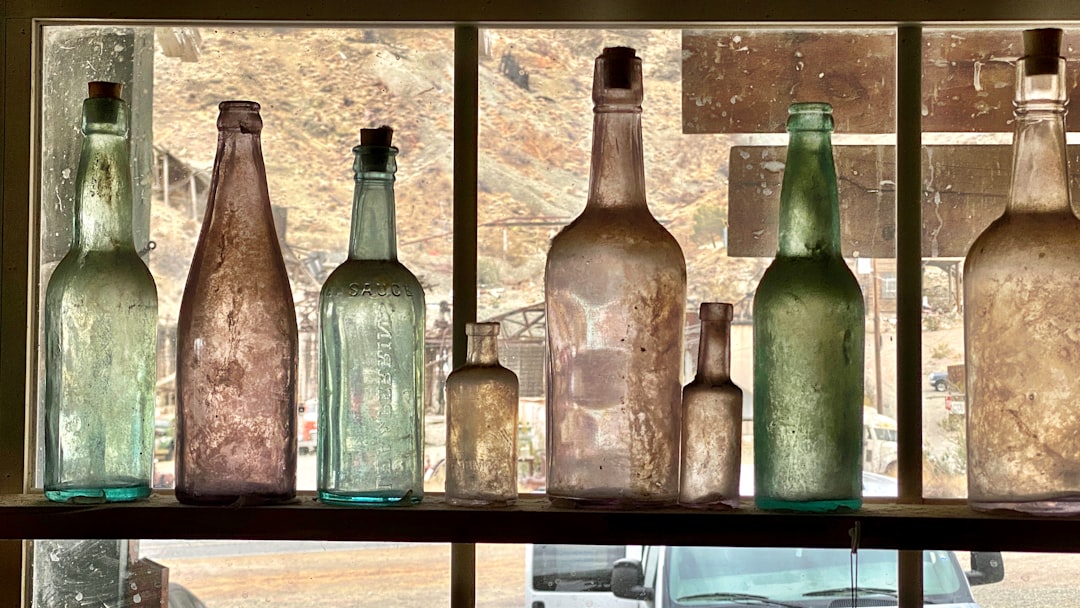
Packaging bottles are rigid containers designed to hold liquids, semi-liquids, or granular products. They are typically paired with closures, pumps, or dispensing systems and are manufactured in a wide range of sizes, shapes, and materials.
Because of their adaptability, bottles are used in both mass-market and highly regulated industries, offering a balance of functionality, cost efficiency, and shelf appeal.
Common Types of Packaging Bottles
Different products require different bottle designs. Selecting the right type depends on formulation, usage, and branding goals.
Round Bottles
One of the most common formats, round bottles are easy to manufacture, fill, label, and ship. They’re widely used in food, beverage, personal care, and household products.
Square and Rectangular Bottles
These bottles offer improved shelf efficiency and a more modern appearance. They’re often used in premium personal care, cleaning products, and specialty beverages.
Boston Round Bottles
Characterized by rounded shoulders and a cylindrical body, Boston rounds are popular in pharmaceuticals, essential oils, and nutraceuticals.
Specialty and Custom Bottles
Custom bottle packaging allows brands to create unique shapes that stand out on the shelf and reinforce brand identity.
Materials Used in Packaging Bottles
Bottle material selection plays a major role in product protection, cost, sustainability, and consumer perception.
Plastic Bottles
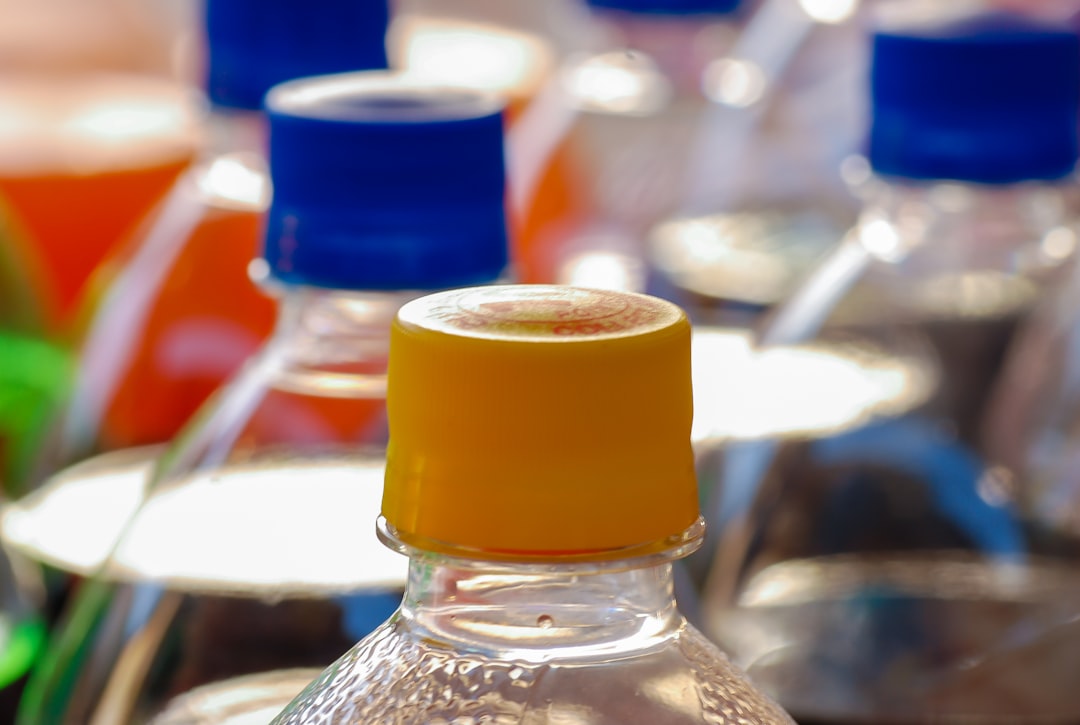
Plastic bottles are lightweight, durable, and cost-effective. Common plastic materials include PET, HDPE, LDPE, and PP, each offering different performance characteristics and compatibility with various products.
Glass Bottles
Glass bottles offer a premium look and excellent chemical resistance. They’re commonly used for beverages, cosmetics, fragrances, pharmaceuticals, and specialty food products.
Industries That Use Packaging Bottles
Packaging bottles are used across a wide range of industries, including food and beverage, cosmetics and personal care, pharmaceuticals and healthcare, and household and industrial products.
Benefits of Using Packaging Bottles
Packaging bottles offer versatility, compatibility with closures and dispensing systems, strong branding potential, and efficient manufacturing and filling processes.
Limitations and Considerations
Material compatibility, sustainability goals, shipping weight, and breakage risk should all be considered when selecting bottle packaging.
Custom Bottle Packaging Options
Custom bottle packaging allows brands to tailor container shapes, colors, finishes, and decoration methods to support product differentiation and brand identity.
Regulations and Compliance
Depending on the application, packaging bottles may need to meet FDA requirements, material safety standards, and industry-specific regulations.
How to Choose a Packaging Bottle Supplier
Key factors include material expertise, minimum order quantities, quality control processes, and the ability to scale production as demand grows.
Trends in Packaging Bottles
Sustainability initiatives, lightweight designs, recycled materials, and refillable systems continue to shape the future of bottle packaging.
Learn more
If you’re evaluating container options that balance functionality, branding flexibility, and scalability, exploring related packaging formats and dispensing systems can help determine whether bottles are the best fit for your product.
Explore more packaging solutions
Browse our full collection of packaging product guides to learn more about closures, pumps and sprayers, custom packaging formats, and other solutions used across food, personal care, pharmaceutical, and industrial markets.