
If you’re sourcing packaging for a drug product, one of the first things regulators, contract manufacturers, and auditors will ask is whether you’re talking about primary or secondary packaging — because the rules, materials, and testing requirements are different for each.
This guide breaks down what separates primary from secondary pharmaceutical packaging, the materials commonly used for each, and the compliance basics (FDA, ISO, and serialization rules) you need to know before you spec a container closure system or a carton.
Quick Answer
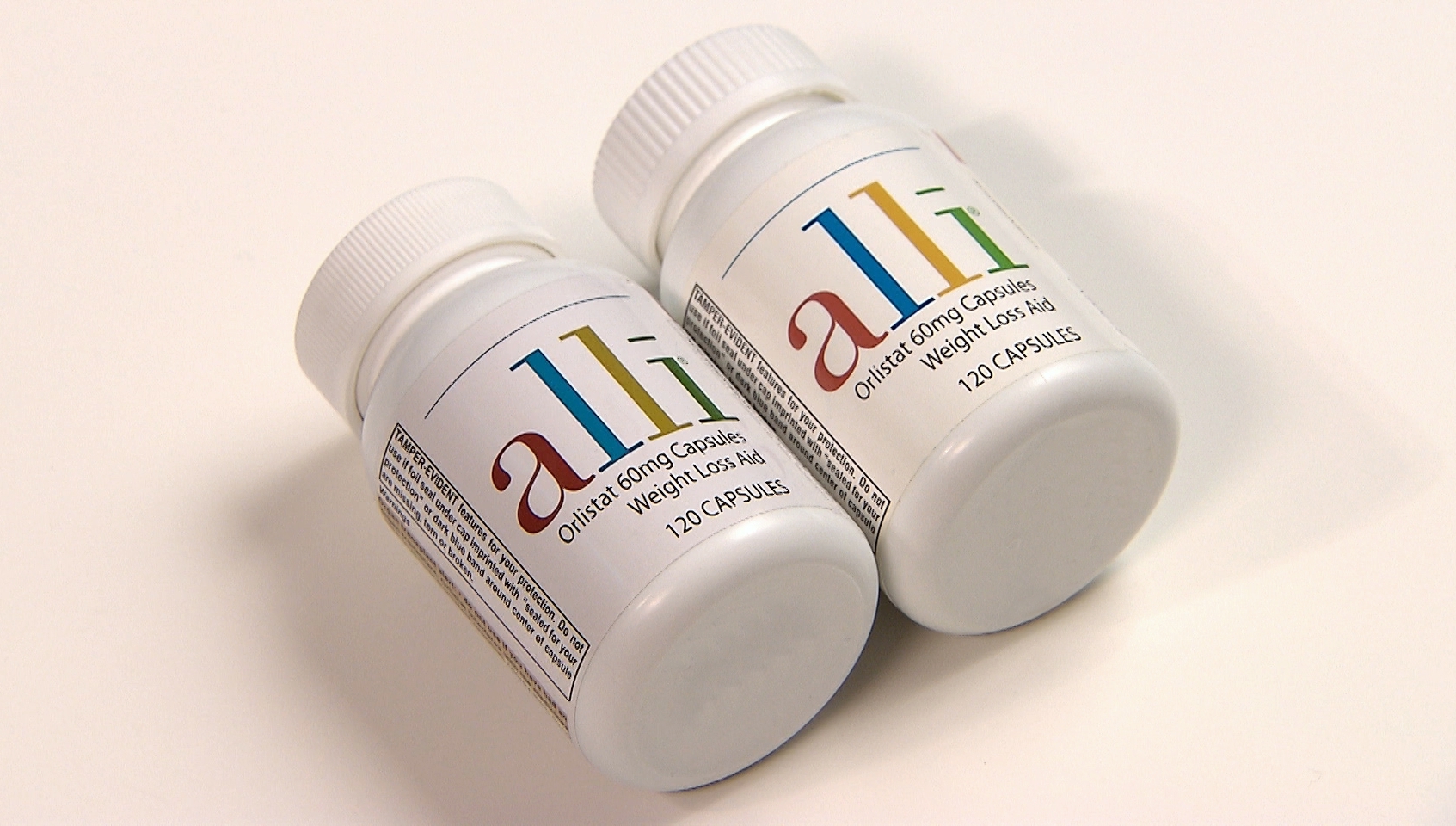
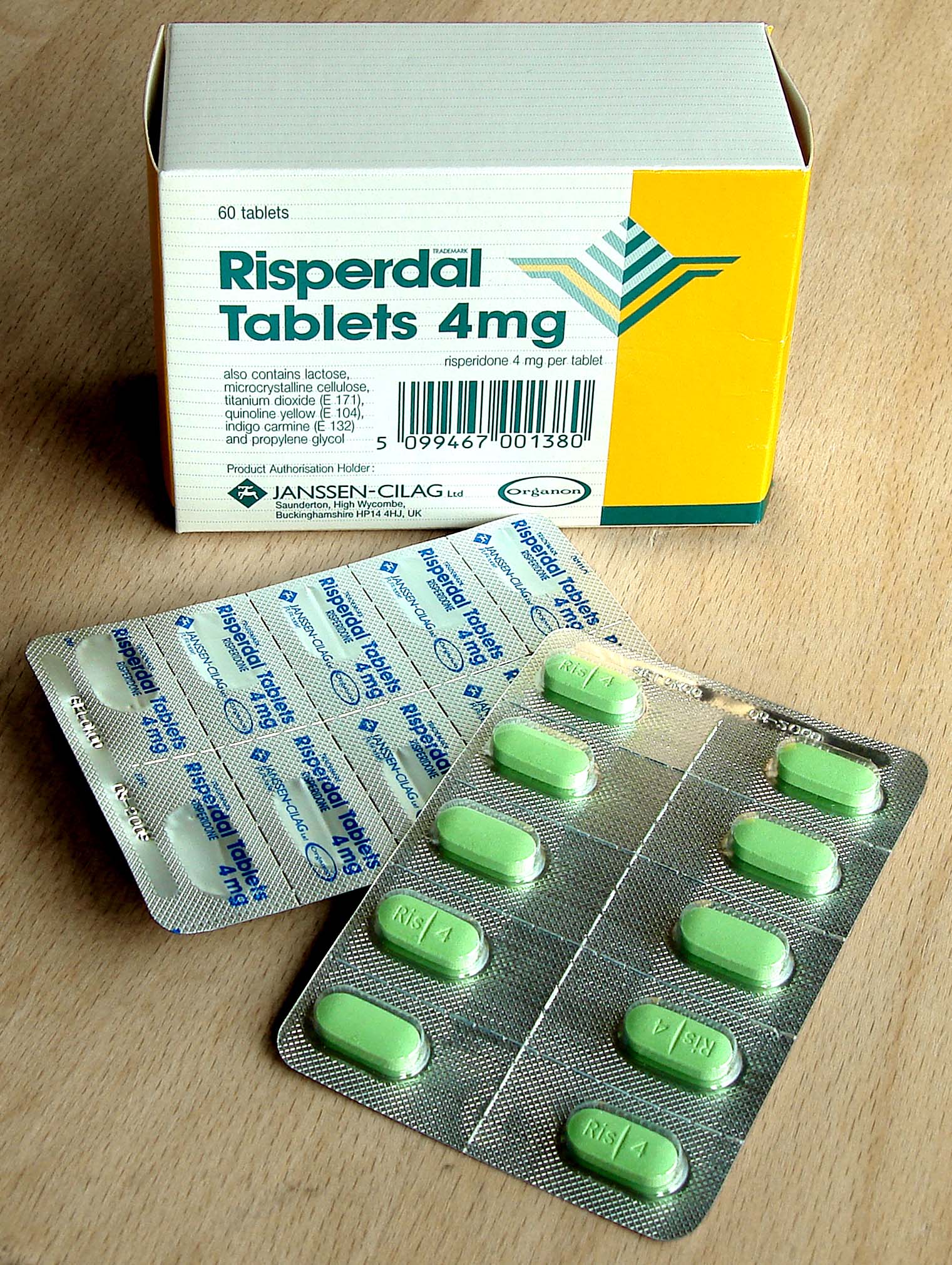
Primary packaging is anything in direct physical contact with the drug — vials, blisters, bottles, ampoules, and their closures. Secondary packaging is everything that surrounds and protects the primary pack without touching the drug itself — the folding carton, label, package insert, and shipping case. Primary packaging must meet stricter material-compatibility and container-closure regulations because it can interact with the drug; secondary packaging is regulated mainly for labeling accuracy, tamper-evidence, and supply-chain traceability.
Primary vs. Secondary: Materials and Examples
Primary packaging materials are chosen because they’re inert and compatible with the drug formulation: glass (Type I borosilicate vials and ampoules for injectables), various grades of plastic (PET, HDPE, PP, and COC/COP resins for bottles and blister trays), elastomeric rubber (bromobutyl or chlorobutyl stoppers), aluminum foil laminates for blister lidding, and pharmaceutical-grade coatings on metal for aerosol canisters. The choice depends on the drug’s sensitivity to oxygen, moisture, light, and leachable/extractable compounds — a liquid injectable needs very different container chemistry than a solid oral tablet.
Secondary packaging materials are selected mainly for print quality, structural protection, and tamper-evidence rather than direct drug compatibility: printed paperboard cartons, corrugated shipping cases, pressure-sensitive or wrap-around labels, folded package inserts (patient information leaflets), and shrink or blister overwraps. Some products also use tertiary packaging — pallets, stretch wrap, and bulk shipping containers — for distribution, though that layer is generally outside pharma-specific packaging regulation and governed more by standard logistics practice.
Regulatory & Compliance Basics
In the US, primary packaging (the “container closure system”) falls under 21 CFR Part 211 Subpart E. Containers and closures must not be reactive, additive, or absorptive in ways that alter the drug’s safety, identity, strength, quality, or purity, and they must protect the product against foreseeable storage and handling hazards. Where sterility is required, containers and closures must be cleaned and, if applicable, depyrogenated, with the process validated. The FDA’s guidance on container closure systems is the reference document manufacturers use to justify material and design choices to reviewers.
Internationally, ISO 15378 is the standard most primary packaging component makers (glass, rubber, plastic, and aluminum suppliers) are certified against — it layers ISO 9001 quality management with GMP-specific requirements for materials that will contact a medicinal product, and is widely used to demonstrate compliance to FDA, EMA, and other regulators.
Secondary packaging compliance centers on labeling accuracy, tamper-evidence, and traceability rather than material chemistry. In the US, 21 CFR 211.132 sets tamper-evident packaging requirements, and child-resistant closures fall under the Consumer Product Safety Commission’s 16 CFR 1700. Under the Drug Supply Chain Security Act (DSCSA), most prescription drug packages must carry a 2D data matrix barcode encoding the product’s NDC, a unique serial number, lot number, and expiration date, with that data exchanged electronically between trading partners — enforcement has been phased in with some small-dispenser exemptions extending into late 2026. The EU’s Falsified Medicines Directive imposes a similar model, requiring a unique identifier and anti-tampering device on the outer (secondary) packaging of most prescription medicines.
Tips and Common Mistakes
Don’t treat primary and secondary packaging as a single sourcing decision — they typically involve different suppliers, different qualification testing (extractables/leachables and container closure integrity for primary; drop, vibration, and barcode-verification testing for secondary), and different regulatory submissions.
Confirm serialization and barcode placement early. Secondary carton artwork needs to reserve space for the 2D data matrix code, human-readable NDC/lot/expiry, and any tamper-evident seal — retrofitting this after carton design is finalized is a common and costly mistake.
Don’t assume a material that’s safe for one route of administration is safe for another. A resin or elastomer approved for an oral solid’s blister may not pass extractables/leachables testing for an injectable or inhalable product — always validate primary packaging materials against the specific drug formulation and route.
Keep documentation traceable. Auditors will expect a clear chain from primary packaging component supplier (often ISO 15378-certified) through to finished secondary packaging, with change control on any material or supplier substitution.
Explore more: Browse more pharmaceutical packaging materials guides.
Pharmaceutical Primary vs Secondary Packaging FAQs
What is the main difference between primary and secondary pharmaceutical packaging?
Primary packaging is in direct contact with the drug product (vials, blisters, bottles, closures) and is regulated for material compatibility and product protection. Secondary packaging surrounds the primary pack without touching the drug (cartons, labels, inserts) and is regulated mainly for labeling, tamper-evidence, and traceability.
Does secondary packaging need to be sterile?
Generally no. Sterility and depyrogenation requirements under 21 CFR 211.94 apply to primary containers and closures that contact the drug; secondary packaging like cartons and inserts doesn’t require sterilization since it never touches the product.
What is tertiary packaging in pharma?
Tertiary packaging is the outer layer used for bulk handling and shipping — pallets, shrink wrap, and corrugated shipping containers. It protects secondary-packaged units during distribution but isn’t typically subject to pharma-specific packaging regulations the way primary and secondary packaging are.
Where does the DSCSA 2D barcode go — primary or secondary packaging?
The unique product identifier (2D data matrix barcode with NDC, serial number, lot, and expiration date) is typically applied to the secondary packaging, such as the carton or unit-of-sale label, per DSCSA requirements.
Source Smarter With Packaura Direct
Find packaging suppliers, surplus inventory, and certification — all on Packaura Direct. Try Packaura Direct.
Want packaging news in your inbox? Subscribe to the free newsletter.
Photo: The U.S. Food and Drug Administration / Public domain, via Wikimedia Commons.