
Picking how to package a bar of soap sounds simple until you’re standing in front of a pallet of cured bars trying to decide whether to box them, wrap them, band them, or bag them. Each structural option trades off differently on cost, shelf appeal, protection, and how much room it leaves for the label information you’re legally required to include.
This guide breaks down the main structural formats handmade soap and bar-product brands use, what each one is actually good for, and the packaging mistake that ruins more soap than any other: wrapping it at the wrong time, in the wrong material, for the type of soap you made.
Quick Answer
The five main structural options for packaging handmade soap bars are folding boxes, shrink wrap, belly bands (also called cigar bands), paper wrapping, and selling bars naked with a display card. Boxes offer the most protection and label space but hide the bar; bands and shrink wrap keep the bar visible while adding some protection; paper wrap gives a handmade look but only suits soap that doesn’t attract moisture; naked bars are fastest to prep but need a sign or shelf card to carry required label information.
The Main Structural Formats
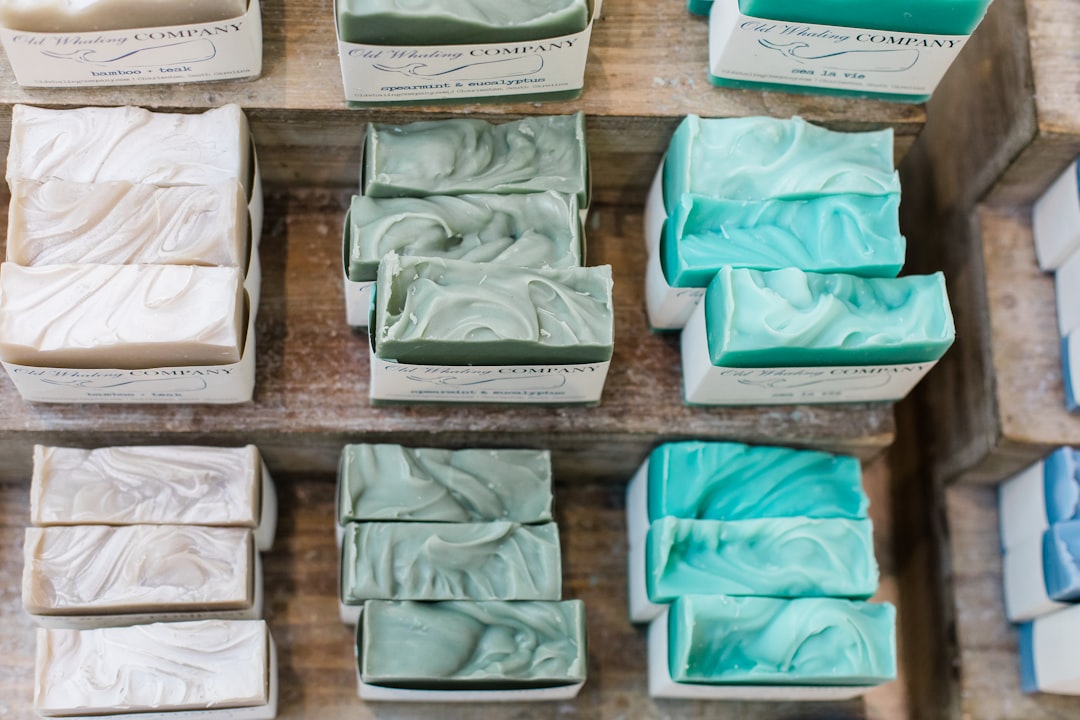
Folding boxes (cardboard or recycled paperboard) fully enclose the bar. They’re the go-to for retail shelves because they protect corners and edges during shipping, hold up to repeated handling, and give you a full printable surface for branding, ingredients, and net weight. The tradeoff is that a boxed bar doesn’t show its color, texture, or swirl pattern, so many brands display one unboxed sample bar near the shelf so customers can see what they’re buying.
Shrink wrap (or shrink bags) keeps the bar fully visible while adding a barrier between the soap and customers’ hands, which retailers often want. It’s a common choice for e-commerce and larger production runs since it can be applied quickly with a heat gun or tunnel once you have the technique down. It’s also the standard choice for melt-and-pour soap, which has added glycerin that pulls moisture from the air; wrapping those bars promptly in a tight plastic film is one of the most effective ways to stop that moisture from beading on the surface, a problem called glycerin dew or sweating.
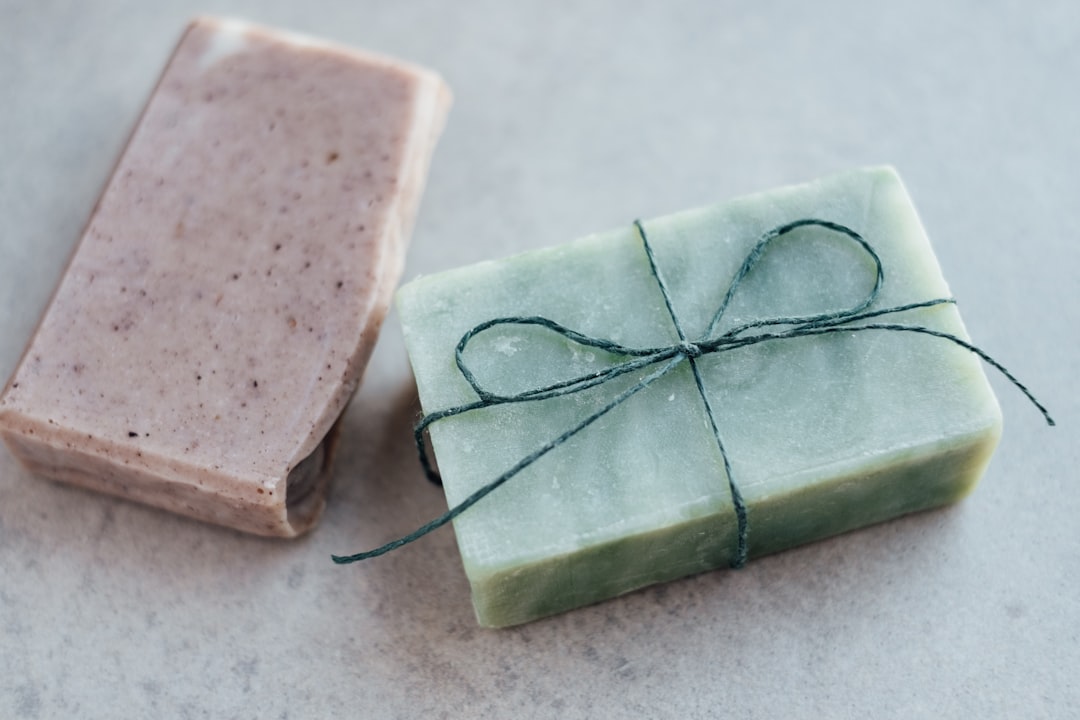
Belly bands (also called cigar bands) are a strip of printed paper wrapped around the middle of the bar and glued or taped at the seam. They’re the lowest-cost option since they need only paper and a printer, they leave the bar visible on both ends, and they still provide enough surface area for a logo, batch info, and required label text. What they don’t offer is real protection — the bar is still exposed to handling, moisture, and dust, so they suit cold-process bars more than glycerin-rich melt-and-pour bars.
Paper wrapping (kraft paper, wax paper, or patterned paper folded and sealed around the bar) gives the most handmade, gift-ready look and works well for farmers markets, craft fairs, and gift sets. It’s more time-consuming per unit than a band or shrink bag and needs a reliable adhesive. It’s a good fit for fully cured cold-process soap, but it isn’t a substitute for airtight film on melt-and-pour soap: a breathable wrap doesn’t block the ambient humidity that melt-and-pour’s added glycerin actively draws in.
Selling bars naked, with no individual wrap, is the fastest and cheapest option to prep. It works for some direct-to-consumer and market settings, but it offers zero physical protection and can read as less polished or less sanitary to retail buyers, so it usually depends on point-of-sale signage or shelf cards to carry the information a wrapped bar would otherwise print directly on the package.
Curing, Moisture, and Why Soap Type Changes the Rules
The single most common packaging mistake with handmade soap isn’t choosing the wrong material in general — it’s applying cold-process rules to melt-and-pour soap, or vice versa. Cold-process soap needs to finish its full cure time (commonly several weeks) so excess water can evaporate out of the bar before it’s wrapped; sealing a still-curing bar in tight plastic traps that moisture and can lead to a soft, oily, or rancid bar over time.
Melt-and-pour soap works the opposite way. It already contains added glycerin, a humectant that pulls moisture out of the surrounding air, so bars are meant to be wrapped promptly, not cured and rested first. Left unwrapped or wrapped in a breathable material, melt-and-pour soap in humid conditions will pull in enough ambient moisture to bead on the surface, the effect known as glycerin dew or sweating. An airtight plastic wrap, applied soon after the bars are cast and cooled, is the standard fix; storing wrapped bars in a sealed container with a desiccant packet adds extra insurance in humid climates.
For cold-process soap, once it’s fully cured, a breathable film (polyolefin shrink film allows some air exchange, and perforated film is worth considering for milk-based or heavily superfatted bars) or a paper-based wrap works well and won’t trap residual moisture. Just don’t apply that same breathable logic to melt-and-pour soap — it needs the humidity kept out, not let in or let escape.
Tips and Common Mistakes
Match the wrap to the soap chemistry, not just the look you want. Cold-process soap needs to finish curing before it’s sealed; melt-and-pour soap needs to be sealed promptly in airtight film because of its added glycerin. Mixing up the two timelines is the fastest way to end up with sweating, soft, or rancid bars.
Weigh cold-process bars after curing, not before. Cold-process soap loses water weight as it cures, so a net-weight figure printed before curing is complete will overstate the actual weight at the point of sale — a labeling problem, not just a cosmetic one.
Match the format to the sales channel. Belly bands and paper wraps work well for markets and pop-ups where you control display and can answer questions in person; boxes make more sense for retail shelves and wholesale accounts where the product needs to protect and sell itself with no one there to explain it.
Know which label rules apply to your bar. ‘True soap’ — made primarily from fat or oil combined with an alkali, and marketed only as soap — is regulated by the Consumer Product Safety Commission and generally doesn’t require an ingredient list. If your soap makes cosmetic-type claims (moisturizing, fragrance, anti-aging) or drug-type claims (treats acne, kills germs), it’s regulated as a cosmetic or drug by the FDA instead, which does require a full ingredient declaration. Confirm which category your product falls into before finalizing what goes on the package, since it affects how much label real estate you need — which in turn affects which structural format actually fits.
Don’t skip a sample or display bar when using boxes. Since boxed bars hide the product, an unboxed sample near the display helps close the sale, especially for scent- or color-driven impulse buys.
Test your adhesive and film in the room temperature and humidity you’ll actually be shipping or selling in — bands and wraps that hold fine in a dry studio can loosen or discolor in a humid market tent or a hot delivery van, and humidity is the single biggest driver of glycerin dew on melt-and-pour bars.
Explore more: more packaging design guides.
Soap and bar product packaging FAQs
What’s the cheapest way to package handmade soap?
Belly bands (printed paper strips wrapped around the middle of the bar) are typically the lowest-cost structural option since they require only paper and a printer, with no box stock or shrink equipment needed. They suit cold-process soap best, since they don’t seal out humidity the way melt-and-pour soap needs.
Does shrink-wrapped soap need to breathe?
It depends on the soap type. Cold-process soap, once fully cured, can use a breathable or perforated film, which helps with milk-based or heavily superfatted bars. Melt-and-pour soap is the opposite: its added glycerin pulls moisture from the air, so it needs a tight, airtight wrap applied promptly to prevent glycerin dew (surface sweating), not a breathable one.
Can I sell soap without any wrap at all?
Yes, many handmade brands sell bars naked, especially at markets. You’ll need another way to display required information, like a sign or shelf card, since it won’t be printed directly on the product.
Do all soap bars legally need an ingredient list?
No. Soap that qualifies as ‘true soap’ under CPSC rules and is marketed only as soap generally doesn’t require an ingredient list. Soap that makes cosmetic or drug-type claims is regulated by the FDA and does require a full ingredient declaration, so the claims on your label determine the rule set that applies.
Find the Right Packaging Supplier
Search the free Packaura supplier directory — filter by material, certification, and location to find vetted suppliers. Search the Supplier Directory.
Want packaging news in your inbox? Subscribe to the free newsletter.
Photo by freestocks on Unsplash.