
If you sell physical products, your packaging is doing double duty: it protects what’s inside and it tells customers what you stand for. The problem is that “sustainable” and “affordable” can feel like opposite goals, especially when a supplier’s glossy catalog is full of unfamiliar terms like molded pulp, home-compostable, and FSC-certified.
This guide breaks down the sustainable packaging materials that are actually within reach for a small or growing business, how to tell a real environmental claim from marketing language, and where to spend versus where to cut corners so the switch doesn’t wreck your margins.
Quick Answer
Start with paper-based materials — recycled kraft paper, corrugated cardboard, and molded pulp — since they’re widely available, easy to source in smaller quantities, and generally close in price to conventional options. Save pricier materials like mycelium (mushroom) packaging or seaweed-based film for hero products or limited runs, and treat certifications (FSC, How2Recycle, BPI compostable) as a checklist for verifying claims rather than a shopping list of features to pay extra for.
The Materials Worth Considering First
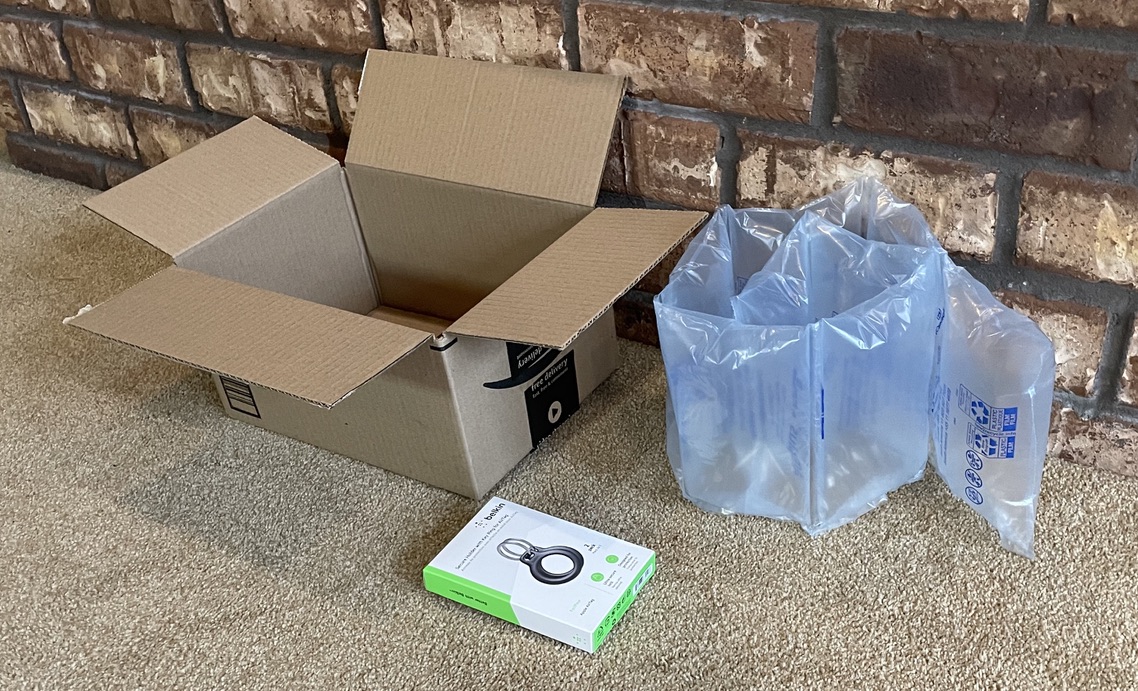
Recycled and FSC-certified kraft paper is usually the easiest upgrade: it works for mailers, wrapping, void fill, and tape, and most print and packaging suppliers already stock it alongside virgin paper, so it rarely requires a new vendor relationship. Corrugated cardboard made from recycled content is the default for shipping boxes and holds up well in transit, which matters because damaged shipments cost more in returns than any packaging line item.
Molded pulp — the same material as egg cartons, made from recycled paper or cardboard pressed into shape — is a strong choice for protective inserts and trays because it’s lightweight and typically inexpensive relative to foam alternatives. For flexible packaging like mailers or bags, look for recycled-content poly mailers or paper mailers before jumping to compostable plastics; compostable films (often made from PLA/cornstarch blends) usually cost more and only break down properly in industrial composting facilities, which many regions don’t have access to.
Newer materials — mycelium packaging, seaweed-based films, mushroom-based foam alternatives — are genuinely lower-impact but tend to carry higher production costs and longer lead times, so they make more sense as a signature touch for a flagship product than as your everyday shipping material.
How to Read Certifications Without Overpaying for Them
Three labels come up constantly, and each answers a different question. FSC (Forest Stewardship Council) certification confirms that paper or cardboard came from responsibly managed forests — it’s the standard to look for on any paper-based packaging and is worth prioritizing since it’s usually available at little to no premium from mainstream suppliers.
How2Recycle is a labeling system that tells customers exactly how to dispose of each part of the package (box, film, tape) based on real recycling infrastructure — it’s a communication tool, not a material itself, so it doesn’t necessarily add cost beyond the design work of adding the label.
BPI certification (Biodegradable Products Institute) is what actually backs up a “compostable” claim in North America, verifying the material meets ASTM standards for breaking down under industrial composting conditions. Only use the word “compostable” on your packaging if the material is actually BPI (or TÜV Austria, outside the U.S.) certified, and specify whether it’s industrial or home compostable — an uncertified compostable claim is a common source of customer complaints and greenwashing accusations.
Tips and Common Mistakes
Size your box or mailer to the product instead of defaulting to one universal size — oversized packaging wastes material, costs more in void fill, and often increases shipping costs, which erases any savings from choosing a greener material in the first place.
Buy in bulk once you’ve settled on a material; most packaging suppliers offer meaningfully better pricing at higher order volumes, so it’s worth committing to one kraft mailer size or one box style rather than testing five different vendors in small batches.
Don’t chase every certification at once. Get the fiber-based claim right (FSC) and the disposal instructions clear (How2Recycle or an honest compostable label) before spending on niche eco-materials — customers respond more to clear, honest labeling than to an unfamiliar material they don’t recognize.
Test packaging with real shipments before switching entirely. A lighter or thinner sustainable material can sometimes underperform in transit, and the cost of a damaged product and a refund will outweigh anything you saved on the box.
Explore more: Browse more design guides.
sustainable packaging materials FAQs
What’s the cheapest sustainable packaging material to start with?
Recycled kraft paper and recycled-content corrugated cardboard are typically the most accessible starting points — they’re widely stocked, work for most shipping and wrapping needs, and are usually close in price to non-recycled versions.
Is compostable packaging always better than recyclable packaging?
Not necessarily. Compostable materials only break down properly with the right conditions (often industrial composting facilities that aren’t available everywhere), while recyclable materials rely on your local recycling program actually accepting them. Choose based on what infrastructure your customers actually have access to, and label clearly either way.
Do I need certifications like FSC or BPI if I’m a small business?
You don’t need every certification, but if you make a specific claim — “responsibly sourced” or “compostable” — it should be backed by the relevant certification (FSC for sourcing, BPI or TÜV Austria for compostability). Making an unverified claim is a common way small brands get called out for greenwashing.
Source Smarter With Packaura Direct
Find packaging suppliers, surplus inventory, and certification — all on Packaura Direct. Try Packaura Direct.
Photo: DanielPenfield / CC BY-SA 4.0, via Wikimedia Commons.