
If you sell packaged goods into the EU, you’ve probably run into breathless warnings about a “2027 Digital Product Passport mandate for packaging” and wondered whether you’re already behind. The good news: the real legal picture is more specific — and more manageable — than the headlines suggest.
This guide separates the two regulations that actually govern packaging (ESPR and PPWR), lays out the real enforcement dates already on the books, and gives you a practical checklist for what to do in the next 12-18 months so you’re not scrambling when the labeling, data-carrier, and recycled-content requirements land.
Quick Answer
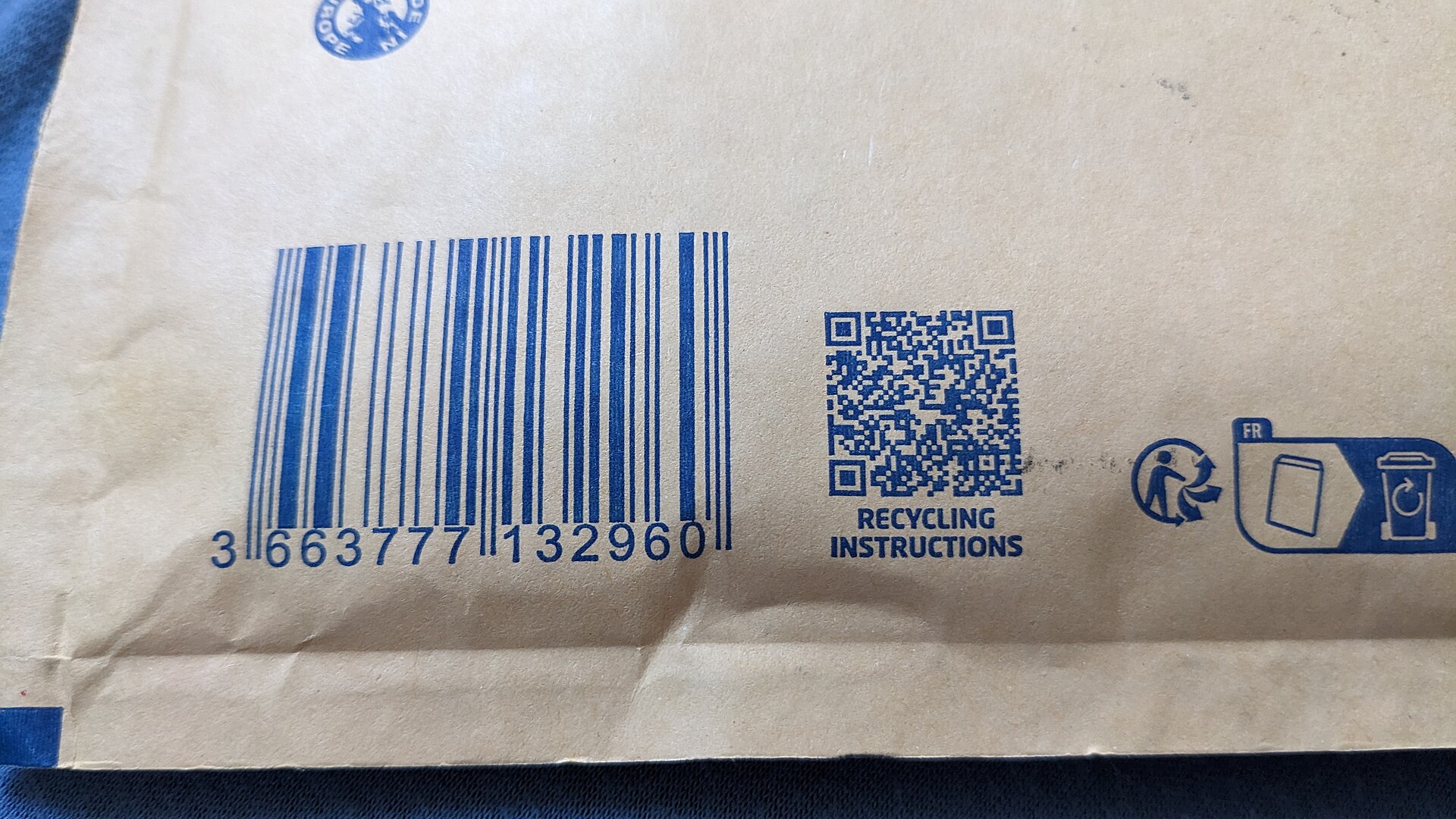
There is no single EU law that mandates a full Digital Product Passport for packaging in 2027. The concrete, already-legislated dates for packaging are 12 August 2026 (PPWR general application, including Declarations of Conformity and PFAS restrictions on food-contact packaging), 12 August 2028 (harmonised labelling — pictograms showing material composition and sorting instructions — become mandatory, with a digital data carrier such as a QR code required only in specific cases, like communicating reuse-system information for reusable packaging), and 1 January 2030 (recyclability grading, minimum recycled content, and reuse targets). A dedicated packaging-specific Digital Product Passport under ESPR isn’t expected before the 2030s. Treat “2027” as the year to have your data and systems ready, not a hard legal cutoff.
Sourcing compliant packaging? Search the free Packaura Supplier Directory — filter by material, certification, and location to find vetted suppliers that meet these requirements.
The Two Regulations Everyone Confuses
The Ecodesign for Sustainable Products Regulation (ESPR, Regulation (EU) 2024/1781) entered into force on 18 July 2024. It’s the umbrella law that creates the Digital Product Passport concept and requires the European Commission to stand up a central DPP registry by 19 July 2026. But ESPR only becomes mandatory for a given product category once the Commission adopts a category-specific delegated act, and each act carries roughly an 18-month transition period after adoption. Under the Commission’s Ecodesign and Energy Labelling Working Plan 2025-2030, packaging sits in a later wave — delegated acts for packaging are pencilled in for after 2030, pending ongoing exploratory studies. Categories like textiles, tyres, and aluminium are on track for indicative 2027 delegated act activity, which is likely the source of the “2027” figure circulating online — it applies to those sectors, not to packaging directly.
Separately, the revised Packaging and Packaging Waste Regulation (PPWR, Regulation (EU) 2025/40) entered into force on 11 February 2025 and applies generally from 12 August 2026. PPWR is packaging-specific and doesn’t wait for ESPR’s packaging delegated act — it has its own timeline for labeling, recycled content, and reuse, and its labelling and data-carrier provisions are what most companies actually need to prepare for.
What’s Actually Enforceable, and When
12 August 2026: PPWR’s general obligations take effect. You need a Declaration of Conformity and technical documentation showing your packaging meets the regulation’s essential requirements, and PFAS restrictions apply to food-contact packaging.
12 August 2028 (or 24 months after the relevant implementing act, if later): Harmonized labelling requirements under Article 12 kick in — pictogram-based labels showing material composition and sorting/disposal instructions. A digital data carrier (typically a QR code) is not a blanket requirement for every pack; the regulation makes it mandatory in specified circumstances, notably for communicating reuse-system availability and collection-point information on reusable packaging, and it’s offered as an alternative to physical labelling for very small packaging. Once these implementing rules apply, member states can no longer require conflicting national labels alongside them.
12 February 2029 (or 30 months after the relevant implementing act, if later): Packaging intended for reuse must additionally carry a harmonized reusability label.
1 January 2030: Recyclability performance grades, minimum recycled-content thresholds by material, limits on empty space and oversized packaging, and reuse quotas for specific categories all become enforceable. Implementing acts detailing the exact technical specifications (including for any data carriers) are expected through 2026 and beyond, so specifics will keep firming up.
How to Prepare Right Now
Start by mapping your full packaging portfolio — every format, material, and supplier across every SKU you sell into the EU. You can’t report data you haven’t inventoried.
Begin collecting material composition data immediately: weight percentages for each material, plus adhesives, inks, coatings, and barrier layers in multi-material packaging. Suppliers often take months to produce this data reliably, so starting early is the single highest-leverage thing you can do.
Get your Declaration of Conformity and technical documentation process built now, since that obligation is already live as of August 2026, not a future item.
If any of your packaging is part of a reuse or refill system, start planning for the reuse-related data carrier and reusability labelling now — those provisions carry earlier, more concrete obligations than the general recyclability rules. For everything else, a voluntary pilot of a QR-code or digital-mark data carrier ahead of the 2028 labelling deadline still helps surface data gaps and vendor issues while you have runway to fix them.
Pick a data platform — a PIM, compliance tool, or dedicated DPP solution — that can eventually connect to the EU’s central DPP registry rather than building a one-off spreadsheet process you’ll have to migrate later.
If you supply packaging into sectors with earlier ESPR delegated acts, such as textiles or tyres (both indicated for around 2027), expect those customers to ask you for packaging data ahead of PPWR’s own deadlines, since their own DPP obligations may require it from their suppliers.
Tips and Common Mistakes
Don’t assume every pack will need its own QR code by 2028. The harmonised labelling requirement is the broad rule; the digital data carrier is required only in specific situations, such as reusable packaging, and is otherwise optional. Structuring your underlying data now is still the expensive, time-consuming part — the label format itself is comparatively quick to apply once finalized.
Don’t conflate ESPR’s product-category DPP timeline with PPWR’s packaging-only timeline. Companies that assume a 2027 packaging DPP law exists often end up caught off guard by the actual, already-binding 2026 and 2028 PPWR dates because they were watching the wrong regulation.
Don’t treat labelling as the finish line. The 2030 recycled-content and reuse targets require supply chain changes — sourcing recycled resin, redesigning formats — that take years, not months, to execute.
Don’t ignore signals from downstream customers. If your buyers operate in a product category with an earlier ESPR delegated act, their compliance clock may effectively become your compliance clock.
Explore more: See more EU packaging compliance guides.
EU Digital Product Passport for packaging FAQs
Is there really an EU packaging Digital Product Passport mandate in 2027?
Not specifically. No ESPR delegated act currently requires a full Digital Product Passport for packaging in 2027 — that’s expected after 2030. The legally binding packaging dates are August 2026 (PPWR general application), August 2028 (harmonised material/sorting labels, with a QR code or digital data carrier required only in specific cases such as reusable packaging), and January 2030 (recycled content and recyclability rules). “2027” is best treated as a preparation deadline, not a legal one.
Does every product need a QR code on its packaging by 2028?
No. From 12 August 2028, PPWR requires harmonised physical labels showing material composition and sorting instructions on packaging generally. A digital data carrier like a QR code is mandatory only in defined cases — most notably for sharing reuse-system and collection-point information on reusable packaging — and can also be used as an alternative to physical labelling on very small packaging. It is not a universal requirement for all packaging.
What’s the difference between ESPR and PPWR?
ESPR (Regulation 2024/1781) is the overarching EU law that introduces Digital Product Passports across product categories over time, with each category needing its own delegated act. PPWR (Regulation 2025/40) is a separate, packaging-specific regulation with its own timeline for labeling, recycled content, and reuse — it’s the one already imposing real deadlines on packaging today.
What packaging data should we start collecting today?
Material composition by weight percentage (including inks, adhesives, coatings, and barrier layers), recycled content percentage, presence of substances of concern such as PFAS, recyclability and sorting instructions, and reuse or refill compatibility. These are the data fields referenced in PPWR’s labelling, data carrier, and recyclability provisions.
Source Smarter With Packaura Direct
Find packaging suppliers, surplus inventory, and certification — all on Packaura Direct. Try Packaura Direct.
Photo: Donald Trung Quoc Don (Chữ Hán: 徵國單) – Wikimedia Commons – © CC BY-SA 4.0 International.(Want to use this image?)Original publication 📤: –Donald Trung 『徵國單』 (No Fake News 💬) (WikiProject Numismatics 💴) (Articles 📚) 12:18, 8 April 2023 (UTC) / CC BY-SA 4.0, via Wikimedia Commons.