
Packaging is often the first physical touchpoint a customer has with your handmade brand, and it does double duty: it has to protect a one-of-a-kind item during shipping and make an impression good enough to get photographed and shared. For makers selling on Etsy, at craft fairs, or through their own online store, getting this right matters more than it does for mass-produced goods, because the packaging is part of the product story.
This guide walks through the materials worth considering, the packaging types that work best for different product categories (soap, jewelry, ceramics, candles, baked goods), where to source them affordably, and the mistakes that trip up new sellers most often.
Quick Answer
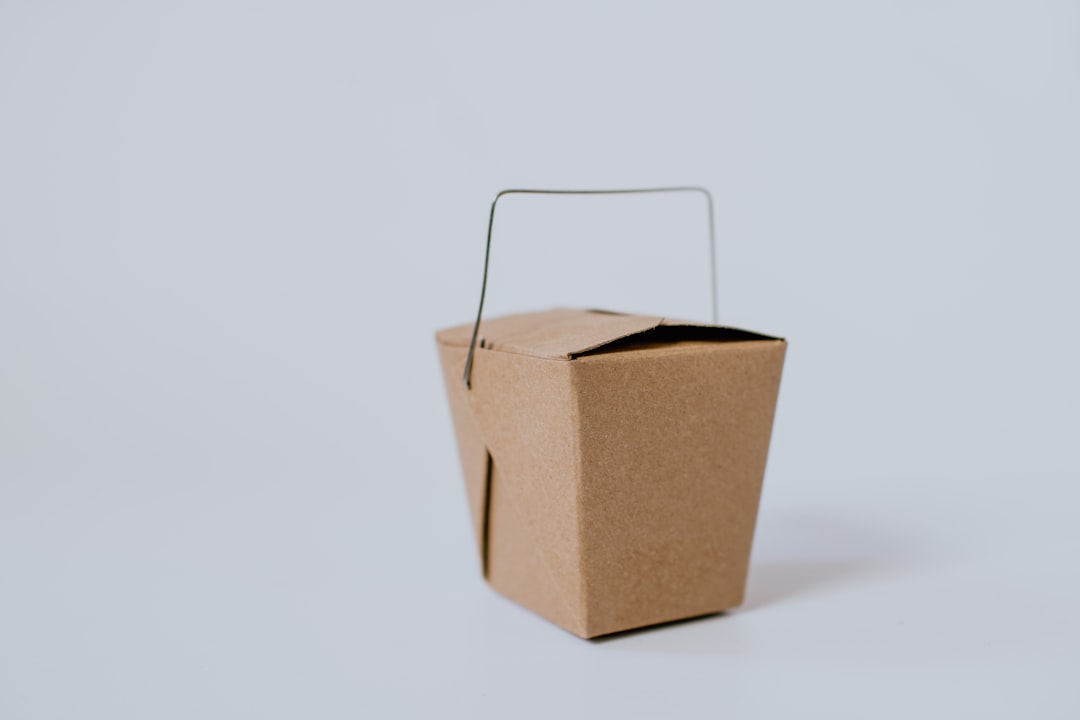
For most handmade sellers, the best starting combination is a sturdy corrugated shipping box or mailer, kraft paper or biodegradable void fill for cushioning, a branded sticker or stamped kraft label instead of a full custom-printed box, and a simple insert like a thank-you card. This keeps costs low while still looking intentional and on-brand. Upgrade to custom-printed boxes or mailers only once order volume justifies the higher minimum order quantities (MOQs).
Packaging Materials: What to Use and Why
Corrugated cardboard is the default for shipping boxes because it’s recyclable, widely available, and holds up well in transit; it’s the standard choice for anything with weight or fragility, like ceramics, candles, or multi-item orders. Kraft paper (brown, uncoated paper) has become closely associated with handmade and artisan branding because it’s inexpensive, takes stamps and stickers well, and signals a natural, small-batch feel rather than a mass-produced one.
For cushioning, options range from shredded kraft paper and tissue paper to biodegradable air pillows and cellulose-based padded mailers, which use paper fiber padding instead of plastic bubble wrap. If you want to go further on sustainability, look at plant-based compostable materials such as those made from cornstarch, sugarcane, or seaweed extract — but check the terms carefully. Compostable and biodegradable are not the same thing: compostable materials break down into usable compost with no toxic residue, while some products labeled ‘biodegradable’ just break into smaller fragments over a long period. Compostable and biodegradable packaging generally cannot go in a standard curbside recycling bin, since it can contaminate that stream — so match the material to how your customers will actually dispose of it.
For jewelry and small, delicate items, add tarnish-resistant tissue or anti-tarnish strips inside a small box or padded mailer. For candles and soap, choose materials that won’t react with wax or oils (avoid direct contact between product and adhesive labels that could smear).
Packaging Types by Product Category
Rigid or folding gift boxes work well for jewelry, small ceramics, and gift-oriented items where unboxing matters most; they cost more per unit but photograph well. Mailer boxes (a box that ships flat and folds into a rigid shape) are a good middle ground for apparel, prints, and mid-size items — sturdier than a poly mailer but cheaper than a rigid box. Padded or kraft paper mailers suit soft goods, clothing, and lightweight items that don’t need rigid protection. Simple kraft shipping boxes remain the most economical option for candles, soaps, and home goods where the branding comes from labels and inserts rather than the box itself.
Whichever box type you choose, build in room for a few standard extras: a branded sticker or wax seal on the closure, a printed or kraft thank-you card, and care instructions if the product needs them (handmade soap, candles, and leather goods especially benefit from this). These small additions are what most improve how a handmade purchase feels to unbox, without requiring a full custom-printed box run.
Where to Source Packaging: Suppliers and Ordering Strategy
Most makers start with a general packaging supplier — companies like Uline, Paper Mart, and EcoPackables carry stock kraft mailers, corrugated boxes, tissue paper, and void fill in small quantities without custom branding, which keeps upfront cost low while you’re still testing your packaging approach.
Once volume grows, custom-print suppliers such as noissue, Packlane, and Arka let you add your logo to mailers, tissue paper, and boxes, often with low minimum order quantities designed for small and growing brands (some allow orders as small as 10–50 units, versus the much larger MOQs typical of standard packaging manufacturers). Compare turnaround time (often one to a few weeks for custom print runs) and per-unit cost at your expected order size before committing, since price per unit typically drops significantly at higher quantities.
A practical sourcing strategy: start with unbranded stock boxes/mailers plus a custom sticker or stamp (cheap, flexible, no MOQ risk), and only move to fully custom-printed packaging once you have consistent order volume and a settled brand look.
Tips and Common Mistakes
Don’t over-package. Oversized boxes with excess void fill cost more to ship and read as wasteful rather than premium — size packaging to the product. Test your packaging with a real shipment before ordering in bulk; a box that looks great on a shelf can still crush, scuff, or shift contents in transit. Keep branding consistent but simple: a logo sticker on kraft paper often reads as more authentically ‘handmade’ than a heavily printed box, and it’s far cheaper to reorder or adjust. Factor in dimensional weight and carrier pricing, since carriers charge based on box size as well as actual weight — a bulky box can quietly increase your shipping cost per order. Finally, double-check any ‘eco-friendly’ or ‘compostable’ supplier claims against how your customers can actually dispose of the material locally, since compostable packaging needs industrial or home composting access to break down as intended.
Explore more: More packaging and design guides.
Handmade product packaging FAQs
What’s the cheapest packaging option for a new handmade business?
Stock (non-custom) kraft mailers or corrugated boxes from a general supplier, paired with a printed sticker or rubber stamp for branding, is typically the lowest-cost way to look polished without paying custom minimum order quantities.
Is kraft paper packaging actually recyclable?
Plain, uncoated kraft paper and corrugated cardboard are generally recyclable through standard curbside programs. Glossy coatings, heavy lamination, or mixed materials (like plastic-lined mailers) can make a piece non-recyclable, so check the specific product.
What packaging works best for fragile items like ceramics or glass?
A rigid corrugated box with generous cushioning — shredded kraft paper, biodegradable air pillows, or molded pulp inserts — offers the most protection. Avoid mailers or soft packaging for anything breakable.
Do I need custom-printed boxes to look professional?
No. Many well-regarded handmade brands rely on unbranded stock boxes dressed up with a logo sticker, kraft paper, tissue, and a thank-you card rather than a fully custom-printed box, which keeps costs and minimum order quantities low.
Source Smarter With Packaura Direct
Find packaging suppliers, surplus inventory, and certification — all on Packaura Direct. Try Packaura Direct.
Photo by Kelly Sikkema on Unsplash.