
Retail buyers and customers now treat sustainable packaging as a baseline expectation rather than a bonus, but “going plastic-free” isn’t a single material swap you can make in an afternoon. It touches your primary container, the closure, the secondary carton, the shipper, and the claims you’re legally allowed to print on all of them.
This guide walks through a practical, sequenced process for cosmetics brands moving away from plastic entirely — what to audit first, which truly plastic-free materials fit which product types, which certifications are worth pursuing, and the mistakes (including confusing bioplastics with plastic-free) that get brands accused of greenwashing.
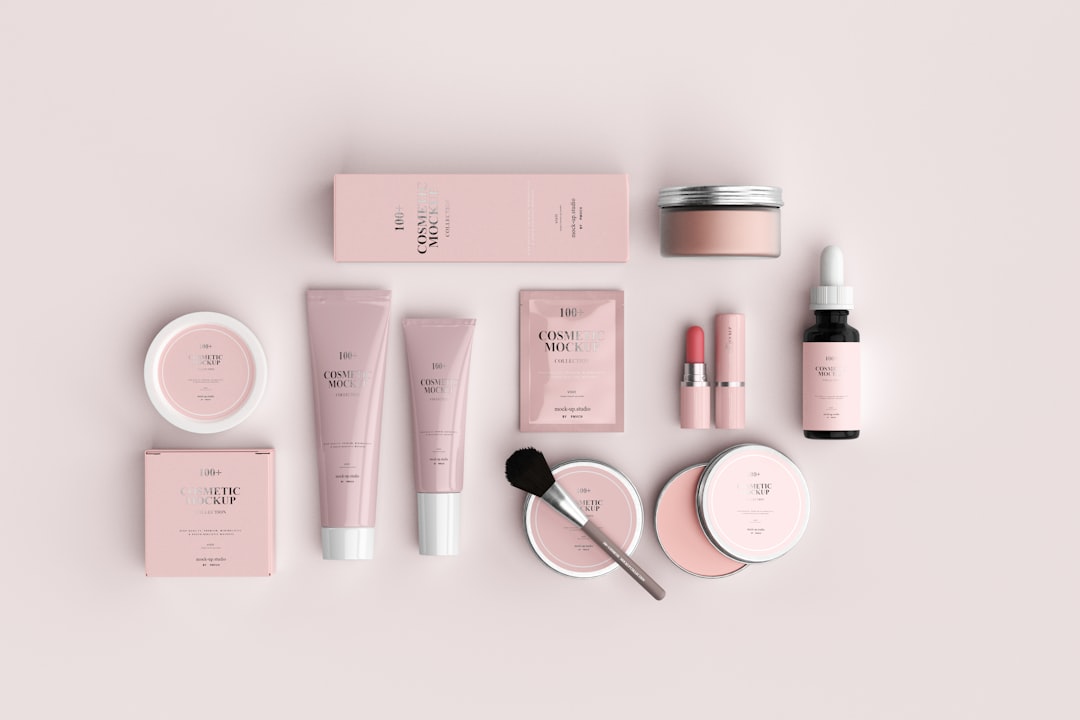
Quick Answer
Going plastic-free means auditing your current packaging component by component, replacing what you can with glass, aluminum, paperboard, or molded fiber, addressing the parts you can’t eliminate (pumps, droppers, caps) with mono-material or PCR-content design, and verifying any environmental claim against a real certification before it goes on the label. Note that bio-based polymers like PLA and PHA are bioplastics, not plastic-free materials — they’re chemically still plastic, just made from plant or microbial feedstock, so they shouldn’t be swapped in if “plastic-free” is the claim you’re making. Start with your highest-volume SKU as a pilot rather than converting the whole line at once.
How to Transition to Plastic-Free Packaging, Step by Step
Start with an honest audit. List every packaging component per SKU — jar, closure, pump, liner, carton, shipper — and note the material, weight, and what happens to it at end of life (curbside recyclable, compostable, landfill-only). You can’t fix what you haven’t mapped, and this audit is what tells you which components carry the most environmental weight.
Pick one SKU to pilot rather than converting everything simultaneously. Choose your highest-volume or most visible product so the win is meaningful, but keep the scope small enough that a formula-compatibility or supply issue doesn’t stall your whole catalog.
Match materials to product type. Glass works well for jars and bottles but adds shipping weight and breakage risk. Aluminum tins and tubes suit balms, solid formulas, and anhydrous products, and are increasingly used as a premium “plastic-free” cue. Paperboard and molded fiber suit secondary packaging, cartons, and some rigid-format products. If you’re evaluating bio-based polymers such as PLA or PHA for films or light-duty components, be aware these are bioplastics — plant- or microbial-derived, but still chemically plastic — so they belong in a “compostable” or “bio-based” claim, not a “plastic-free” one; check compostability conditions (industrial vs. home) before you commit to either material.
For components that can’t go plastic-free outright — pumps, airless dispensers, droppers — look at mono-material design (a single polymer making up the large majority of the part by weight so it can be recycled without disassembly) or a high-PCR-content version as an interim step.
Verify before you claim. Don’t print “recyclable,” “compostable,” “plastic-free,” or “eco-friendly” without a real basis: FSC certification for paperboard, GRS verification for recycled content, and BPI or OK Compost certification for compostable claims. A material only earns a recyclability claim if it’s genuinely collected by a majority of local curbside programs — not just theoretically recyclable somewhere — and a bioplastic component disqualifies a “plastic-free” claim for that SKU even if the plastic is bio-based.
Test formula compatibility and shelf life before switching. New substrates can change barrier properties against light, oxygen, and moisture, so run stability testing with the actual formula before committing to a full production run.
Plan your claims language against current rules. The FTC’s Green Guides require claims to be specific and substantiated, and several states now have their own labeling restrictions on recyclability symbols — check what applies in the markets you sell into before finalizing artwork.
Consider a refill or take-back system for your core SKUs. Refillable packaging is one of the more effective ways to cut plastic per unit sold without fully replacing your primary container, and it’s become a major focus among beauty brands.
Choosing the Right Plastic-Free Materials
Glass is infinitely recyclable and gives the highest perceived quality, but it’s heavy (raising shipping emissions and cost) and breaks, which matters for e-commerce fulfillment.
Aluminum is lightweight relative to glass, widely recycled, and works well for tubes, tins, and airless-style dispensers; it typically needs an interior liner for certain formulas, which is worth checking with your filler.
Paperboard and molded fiber are strong choices for secondary packaging, inserts, and some primary formats; look for FSC-certified stock and confirm your local recycling stream actually accepts any coatings or laminations used.
Bio-based polymers like PLA (made from fermented plant starch, typically corn or sugarcane) and PHA (produced by microorganisms through fermentation) are genuinely renewable in feedstock and, in PHA’s case, can biodegrade outside industrial composting conditions in some environments. But both are still classified as plastics — bioplastics, not plastic-free materials — so use them under a “bio-based” or certified “compostable” claim rather than a “plastic-free” one, and confirm the specific certification (industrial vs. home compostable) before using either word.

Tips and Common Mistakes
Don’t call a bioplastic “plastic-free.” PLA and PHA are bio-based and, for PHA, often more readily biodegradable, but they’re chemically plastic — mixing this up is one of the most common greenwashing complaints regulators flag.
Don’t chase a certification logo before the underlying material or system is actually verified — mismatched claims are the fastest way to get flagged for greenwashing.
Don’t ignore the shipping-weight tradeoff. A heavier “sustainable” glass jar can have a larger transportation footprint than a lighter alternative, so weigh the full lifecycle, not just the material at point of sale.
Don’t skip compatibility testing. Reformulating a jar or liner without testing shelf life against your actual formula is how brands end up with leaks, oxidation, or recalls.
Don’t use unqualified words like “eco-friendly,” “green,” or “recyclable” without a specific, substantiated basis — regulators have tightened enforcement on vague environmental claims.
Don’t assume compostable packaging solves the problem for most customers — industrial composting access is limited in many areas, so a compostable claim without a realistic disposal path can do more harm to trust than good.
Explore more: more sustainability guides for packaging brands.
Plastic-free cosmetics packaging FAQs
Is plastic-free cosmetics packaging more expensive than plastic?
It depends on the material and order volume. Glass and aluminum are often more expensive per unit than virgin plastic at low volumes, though the gap narrows at scale, and refill systems can offset costs over time by reducing how many primary containers you produce.
Are PLA and PHA plastic-free?
No. PLA and PHA are bioplastics — made from plant starch or microbial fermentation rather than petroleum, but chemically they’re still plastic polymers. They can be legitimately marketed as bio-based or, if certified, compostable, but not as “plastic-free.” True plastic-free alternatives are materials like glass, metal, paper, and molded fiber that contain no plastic polymer at all.
What’s the easiest first step for a small cosmetics brand?
Audit your current packaging by component and material, then convert your highest-volume SKU’s secondary packaging (cartons, inserts) to FSC-certified paperboard first — it’s usually the fastest, lowest-risk change before you touch primary containers or formula-facing components.
Can I legally call my packaging “recyclable” or “compostable”?
Only if you can substantiate it. Under FTC Green Guides, a recyclability claim should reflect that the material is actually collected by a majority of local programs, and compostable claims should be backed by certification such as BPI or OK Compost that specifies industrial vs. home composting conditions.
Source Smarter With Packaura Direct
Find packaging suppliers, surplus inventory, and certification — all on Packaura Direct. Try Packaura Direct.
Photo: BlankEclair / CC BY-SA 4.0, via Wikimedia Commons.