
Order a custom box and you’ll hit a wall of acronyms almost immediately: Kraft, SBS, FBB, CCNB. They all look like brown or white cardboard on a spec sheet, but they behave very differently once they’re folded, printed, shipped, and unboxed by a customer.
This guide breaks down what each grade actually is, how they’re made, where they show up on shelves, and how to pick the right one without overpaying for strength or printability you don’t need.
Quick Answer
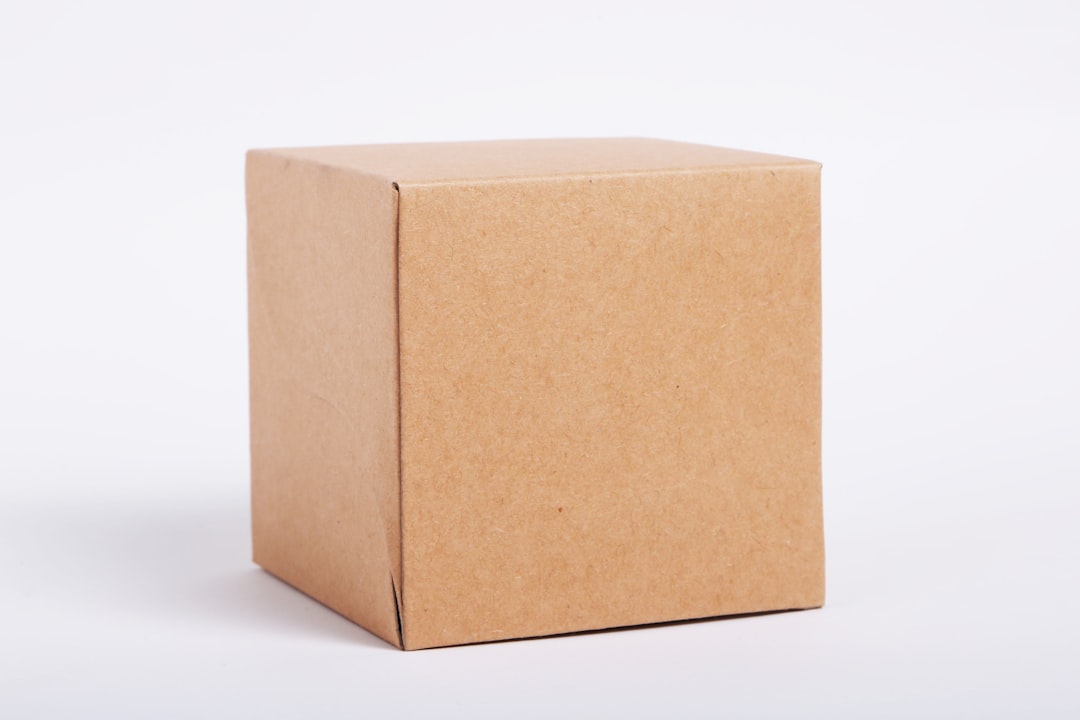
Kraft is a tough, natural-fiber paper (usually brown, sometimes bleached white) used for bags, wraps, and rustic-look boxes. SBS (Solid Bleached Sulfate/Sulfite) is a premium, all-virgin-pulp paperboard that’s bright white through and through, giving it the best printability and food-contact suitability. FBB (Folding Box Board) is a multi-layer board with a mechanical pulp core sandwiched between chemical pulp layers, trading a little strength for better stiffness, foldability, and cost. CCNB (Clay Coated News Back) is a recycled duplex board with a clay-coated white face and a grey or brown recycled backside — the budget option for lightweight cartons.
The Four Grades at a Glance
Kraft paper is made using the kraft (sulfate) pulping process, which produces long, strong wood fibers. Unbleached kraft keeps its natural brown color and highest tear strength, making it a go-to for shipping bags, wraps, and void fill. Bleached kraft goes through additional processing to get a white, smoother surface for better printing — think flour bags, retail carriers, and labels. Kraft can be made from virgin softwood pulp for maximum strength, or from recycled fiber when cost and sustainability matter more than tensile performance.
SBS is a solid (single-ply) paperboard made entirely from bleached chemical pulp, so it’s white on both sides all the way through, not just on the surface. That makes it the top choice when a box needs to look premium, print sharp colors and fine detail, and safely hold food or cosmetics directly against the board. SBS is typically sold coated on one side (C1S, printed side coated, reverse left uncoated for gluing or writing) or both sides (C2S).
FBB is also a bleached paperboard, but instead of one solid layer of chemical pulp, it’s built from multiple plies — usually one or more mechanically pulped middle layers sandwiched between thinner chemical pulp outer layers. That structure gives FBB excellent bending stiffness and crease/fold performance for its weight, which is why it’s a favorite for cosmetics, confectionery, and electronics cartons that get folded, opened, and closed repeatedly. It generally costs a bit less than SBS at the same caliper, at some cost to raw tear/burst strength.
CCNB is a duplex board: a bright white clay coating on the front for print quality, and an uncoated grey or brown recycled layer on the back. Because it’s made largely or entirely from recycled fiber, it’s one of the most cost-effective packaging boards available, and it’s widely used for cereal boxes, shoe boxes, pharmaceutical cartons, and point-of-purchase displays where the inside of the box is never seen.
Comparing Strength, Printability, and Cost
For pure printability and a clean look on both sides of the board, SBS wins — its all-chemical-pulp construction means no grey or brown fibers can show through at cut edges or on the inside panel. FBB comes close on the printed face but its mechanical pulp core is usually visible at the edges, which is fine for most retail cartons but not ideal for boxes designed to look pristine inside and out.
For fold and reopen durability at a lower weight, FBB tends to outperform SBS of a similar thickness, which is why it shows up so often in cosmetics and confectionery packaging that customers open and close repeatedly.
For raw cost efficiency, CCNB is the cheapest of the group by a clear margin, followed by kraft, then FBB, with SBS generally the most expensive per equivalent thickness — though exact pricing depends heavily on weight, coating, and order volume, so always get a quote for your specific box rather than assuming from grade alone.
For sustainability and recycled content, CCNB and recycled-fiber kraft are usually the strongest options since they’re built primarily from post-consumer or post-industrial recycled paper, while SBS and FBB typically rely on virgin pulp for their strength and brightness.
Tips and Common Mistakes
Match the grade to what the box actually has to do, not just what looks nice in a sample pack. A shipping mailer doesn’t need SBS-level whiteness; a cereal box doesn’t need SBS-level food-safe brightness if the product itself is bagged inside.
Don’t assume all board of the same GSM (grams per square meter) performs the same — a 300 gsm FBB and a 300 gsm SBS will fold, crease, and print differently because of their internal structure, so ask suppliers for a physical sample or spec sheet, not just a weight number.
If a product will touch the paperboard directly (unwrapped baked goods, some cosmetics), confirm the specific grade and coating are rated for direct food or cosmetic contact — don’t assume a generic ‘coated board’ quote covers it.
If sustainability messaging matters to your brand, ask suppliers for the actual recycled-content percentage and any certifications (such as FSC chain-of-custody) rather than relying on the grade name alone, since kraft and CCNB can each be made with varying amounts of virgin versus recycled fiber.
Explore more: More packaging and business guides.
Paper grades for packaging FAQs
What does CCNB stand for?
CCNB stands for Clay Coated News Back — a duplex paperboard with a white clay coating on the front and an uncoated grey or brown recycled layer on the back, commonly used for cereal boxes, shoe boxes, and point-of-purchase displays.
Is SBS or FBB better for packaging?
Neither is universally better — SBS gives a cleaner white finish inside and out with top-tier printability and food-contact suitability, while FBB offers strong fold and crease performance at a lower cost, which is why it’s popular for cosmetics and confectionery cartons that are opened repeatedly.
Is kraft paper recyclable and food-safe?
Yes, kraft paper is widely recyclable and, in its uncoated form, is commonly used for food-contact applications like bags and wraps; just confirm with your supplier if the specific grade you’re using has any coatings or treatments before assuming it’s food-safe or curbside recyclable.
Which paper grade is the cheapest option for packaging?
CCNB is generally the most budget-friendly grade because it’s made largely from recycled fiber and only clay-coated on one side, making it a common choice for lightweight retail cartons where the inside of the box isn’t visible.
Source Smarter With Packaura Direct
Find packaging suppliers, surplus inventory, and certification — all on Packaura Direct. Try Packaura Direct.
Photo: John Loo / CC BY 2.0, via Wikimedia Commons.