
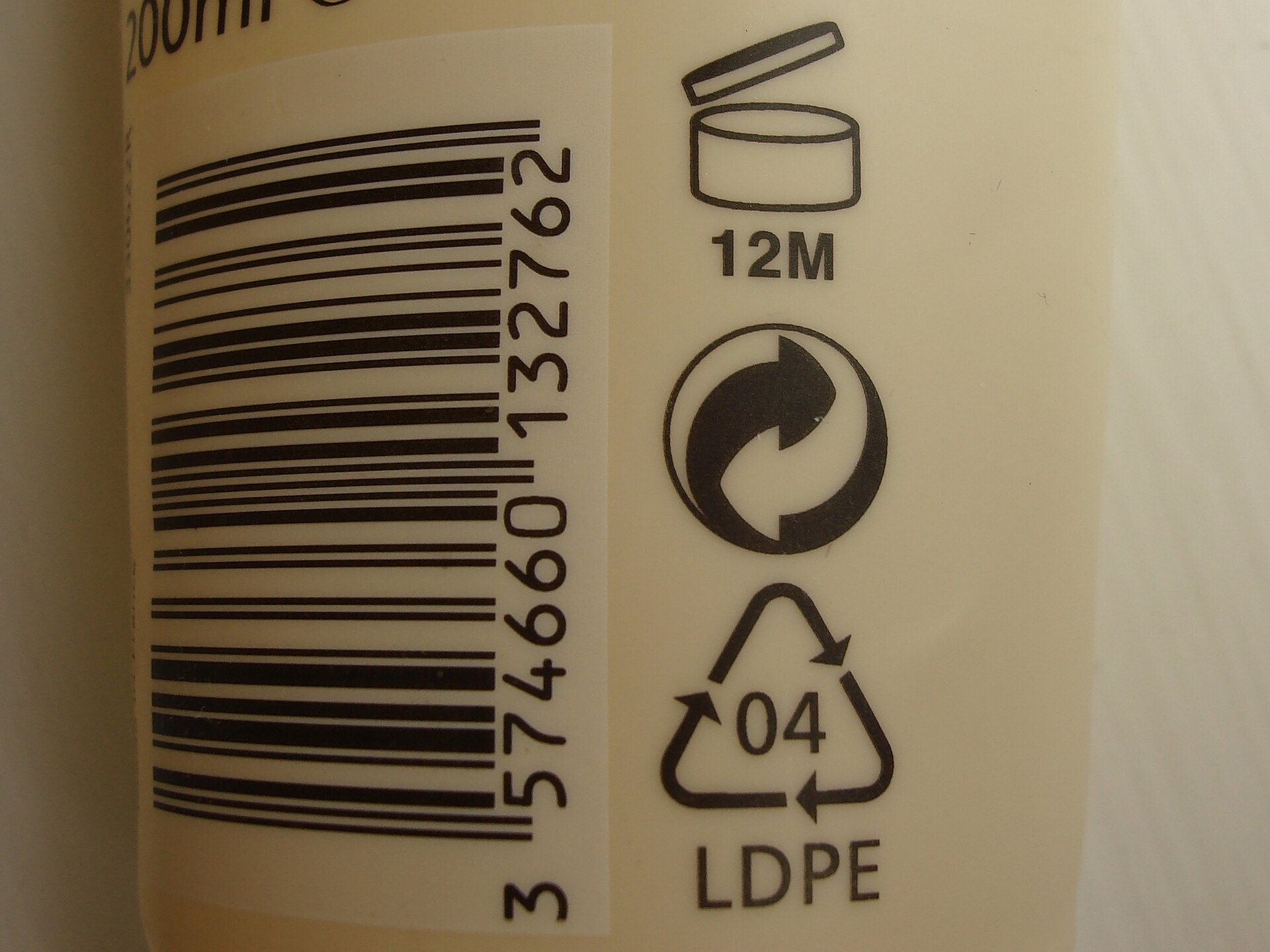
If you’re finalizing artwork for a cream, lotion, or makeup product, you’ve probably run into the little open-jar icon with a number and an “M” next to it — the Period-After-Opening (PAO) symbol. Getting this right matters: in the EU, it’s a legal labeling requirement tied directly to your product’s minimum durability, and missing or misapplying it can hold up a launch or draw a compliance flag during market surveillance.
This guide breaks down exactly when the PAO symbol is required, when your product is exempt, how it differs from a minimum-durability date, and how US labeling rules compare to the EU — so you can make the right call before packaging goes to print.
Quick Answer
In the EU, a cosmetic product needs a PAO symbol when its minimum durability is more than 30 months. If minimum durability is 30 months or less — including exactly 30 months — you print a “best used before the end of” minimum-durability date instead, and the PAO symbol is not the required indication. Where the concept of durability after opening isn’t relevant (for example, single-use products or aerosol dispensers), the PAO symbol isn’t used. In the US, the PAO symbol isn’t legally required at all — it’s a voluntary practice.
The EU Rule: Why 30 Months Is the Trigger
The requirement comes from Article 19 of the EU Cosmetics Regulation (EC) No 1223/2009, with the symbol itself shown in Annex VII. The regulation says the date of minimum durability is not mandatory for cosmetics whose minimum durability is more than 30 months. For those products, the label must instead indicate how long the product is safe to use once opened, shown with the open-jar symbol followed by the period in months and/or years.
The cutoff is easy to misread, so note the boundary: over 30 months means PAO; 30 months or less (30 months exactly included) means a minimum-durability date. The two indications are not meant to be used as alternatives on the same product, so you choose based on where your stability data puts the product’s minimum durability.
The PAO period itself (the number that goes with the jar icon, like “6M” or “12M”) isn’t a guess or an industry default. It should be backed by your product’s stability testing and preservative efficacy (challenge) testing, and it should account for the packaging type, water content, and how the product is realistically used. An airless pump dispenser that limits air and microbial exposure can often justify a longer PAO than an open-jar format holding the same formula.
When You Don’t Need a PAO Symbol
The regulation carves out products where the concept of durability after opening isn’t relevant. Single-use items — individually wrapped sachets, wipes, or sample packets meant to be used once and discarded — fall here, since there’s no extended post-opening period to warn consumers about.
Aerosol dispensers are the other commonly cited case: the contents are protected from outside air and contamination between uses, so a time-after-opening period doesn’t carry meaning. Whether other sealed or airless formats qualify depends on your safety assessor’s conclusion rather than on the packaging type alone.
Products with no realistic risk of deterioration after opening may also fall outside the concept — bar soap is a commonly cited example. If you’re unsure whether your product qualifies, treat it as needing a PAO or minimum-durability date unless your safety assessor confirms otherwise; the exemption is meant to be narrow, not a default.
Tips and Common Mistakes
Don’t guess the PAO number. It should come out of your Cosmetic Product Safety Report (CPSR) and be justified by real stability and microbiological data — regulators and market surveillance authorities can ask for the backup.
Place it correctly. The open-jar symbol with the PAO period generally needs to appear on both the container and the outer packaging (the box), not just one or the other.
Don’t mix up the two indications. If minimum durability is 30 months or less, printing a PAO instead of a minimum-durability date is a compliance error, not a stylistic choice — and a product with minimum durability of more than 30 months should carry the PAO rather than relying on a date.
Watch the boundary. A product with exactly 30 months of minimum durability still needs the minimum-durability date; the PAO route starts only above 30 months.
Check exemptions carefully rather than assuming your product qualifies. “It’s in a pump bottle” isn’t automatically enough — confirm with your safety assessor that durability after opening genuinely isn’t relevant for your packaging and formula.
If you sell into both the EU and US, it’s often simplest to use the EU-compliant label on all packaging rather than maintaining separate artwork, since it already satisfies the US position (no PAO requirement) and gives US consumers useful information.
Explore more: more cosmetics and packaging compliance guides.
PAO symbol FAQs
What does the PAO symbol look like?
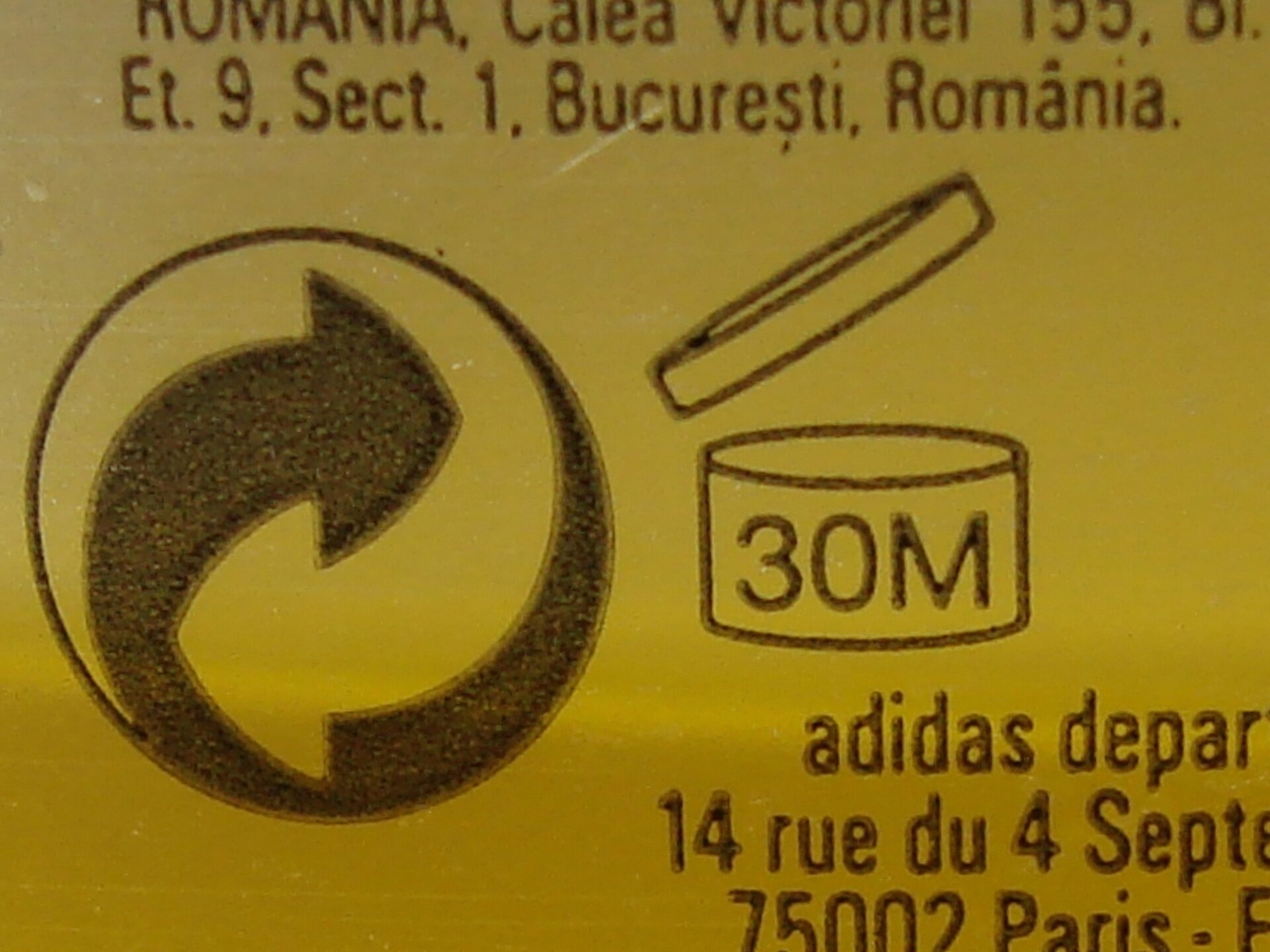
It’s an open cosmetics jar icon with a number followed by the letter “M” (for months), such as “12M” or “24M”, indicating how long the product can be safely used after first opening.
Is the PAO symbol required in the United States?
No. The FDA does not require a PAO symbol or an expiration date on cosmetics. Products that also make drug claims (like sunscreen) are regulated as drugs and have their own labeling rules. Many US brands include the PAO voluntarily, especially if they also sell in the EU.
At what shelf life does a cosmetic need a PAO symbol in the EU?
When minimum durability is more than 30 months. At 30 months or less, including exactly 30 months, the label needs a minimum-durability date instead.
Who decides the actual PAO period for a product?
It’s determined during the product’s safety assessment, based on stability testing, preservative challenge testing, packaging type, and normal conditions of use — not chosen arbitrarily by the brand.
Can a product have a PAO symbol and a minimum-durability date at the same time?
The EU system is built around one or the other depending on whether minimum durability is more than 30 months (PAO) or 30 months or less (date), so you shouldn’t treat them as interchangeable on the same label.
Find the Right Packaging Supplier
Search the free Packaura supplier directory — filter by material, certification, and location to find vetted suppliers. Search the Supplier Directory.
Want packaging news in your inbox? Subscribe to the free newsletter.
Photo: Trounce / CC BY-SA 3.0, via Wikimedia Commons.