
Corrugated box specifications determine whether shipping cases survive distribution intact or arrive crushed and damaged. Understanding flute profiles, board grades, edge crush test (ECT), and burst strength ratings empowers packaging engineers and procurement teams to specify boxes that match performance requirements without overpaying for unnecessary strength. This guide breaks down the engineering vocabulary and procurement decisions that define corrugated specification.
Flute Profiles and Stacking Performance
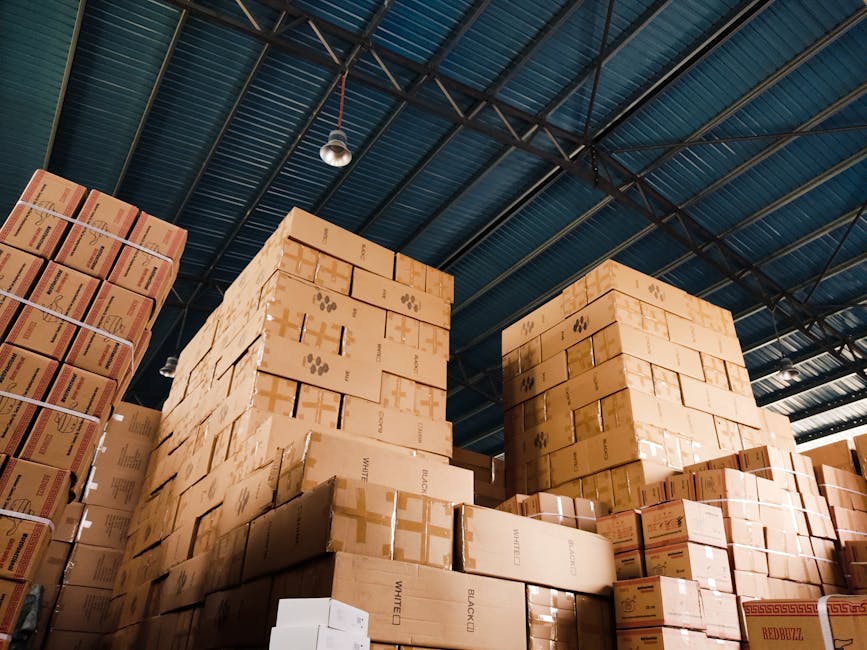
Corrugated board uses fluted medium between two linerboard facings, with flute profile determining cushioning, stacking strength, and printability. Common profiles include A flute (5mm tall, best cushioning), B flute (3mm, balanced), C flute (4mm, most common shipping), E flute (1.5mm, retail boxes), and F flute (0.8mm, micro-flute for graphics).
Corrugated box specifications typically reference flute profile and combined board weight. Double-wall corrugated combines two flute profiles (BC, EB, AC) for heavy products and long-distance shipping. Packaging Dive covers flute innovations and the shift toward lighter-weight grades supporting sustainability goals.
ECT vs. Burst Strength: Which Test Applies?
Two test standards dominate corrugated specification: edge crush test (ECT) measures stacking strength in pounds per linear inch, while burst test (Mullen) measures puncture resistance in pounds per square inch. Modern shipping case specifications increasingly use ECT because it correlates better with real-world stacking failures.
ECT 32 (32 lb/inch) is the workhorse single-wall grade for general shipping cases, with ECT 44 and ECT 51 covering heavier loads. Burst test specifications (200#, 275#) remain common for legacy SKUs and certain regulatory categories. Our packaging supply chain management guide details how to align corrugated specifications with distribution network requirements.
Linerboard Grades and Recycled Content
Linerboard ranges from kraft (virgin or mostly virgin) to recycled (post-consumer fiber content above 80%). Test liner is a recycled grade common in European markets. Most U.S. corrugated combines virgin kraft outer liner with recycled medium and inner liner.
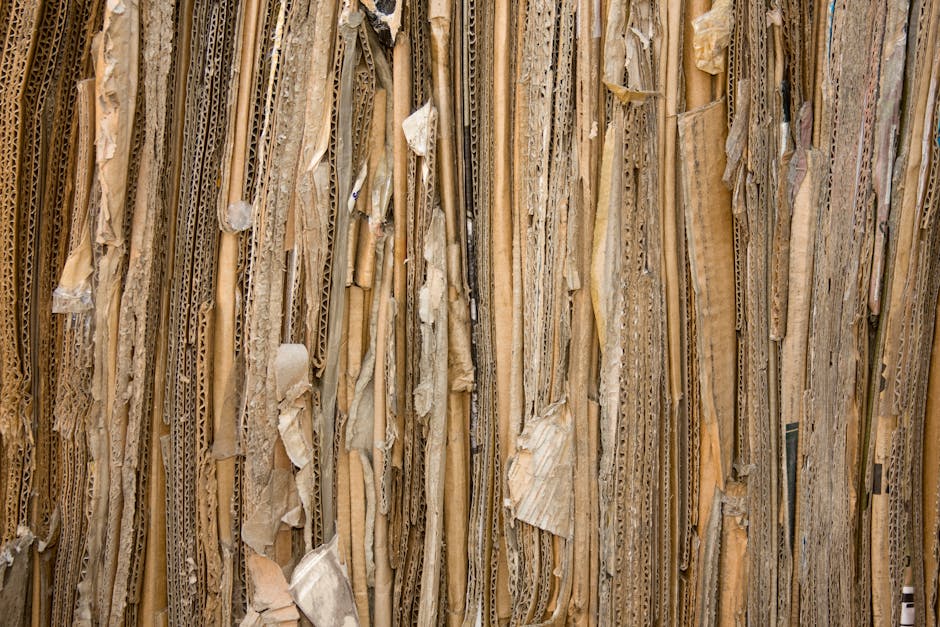
Sustainability-focused brands increasingly specify minimum recycled content thresholds and FSC certification. Major linerboard suppliers including International Paper, Smurfit Westrock, and Packaging Corporation of America publish material declarations supporting these specifications. Forest Stewardship Council certification documentation should accompany sustainability claims.
Style Selection: RSC, FOL, and Specialty Designs
Regular slotted container (RSC) is the workhorse box style — flaps of equal length meeting at the centerline. Full overlap (FOL) boxes provide additional stacking strength through fully overlapping top and bottom flaps. Half-slotted containers (HSC) lack one set of flaps for special applications.
Die-cut specialty styles enable retail-ready packaging, automated case erecting compatibility, and shelf-friendly displays. Increasing automation in fulfillment centers has driven specification toward styles that machine-erect without human intervention.
Print Methods: Flexo, Direct Print, and Litho-Lam
Most corrugated boxes are printed flexographically directly on the linerboard, supporting up to 4-6 colors with moderate registration. High-graphic retail boxes use lithographic preprint laminated to a corrugated substrate (litho-lam), achieving photographic quality at higher cost. Digital direct-to-corrugated printing from suppliers like HP, Bobst, and Koenig & Bauer enables short-run customization without plate setup.
For ecommerce brands building unboxing experiences, our ecommerce packaging strategies guide explains how interior printing, custom inserts, and graphic design choices integrate with corrugated specifications to create cohesive consumer experiences.
Frequently Asked Questions
What does ECT 32 mean?
ECT 32 specifies single-wall corrugated board with edge crush test strength of 32 pounds per linear inch, the workhorse grade for general shipping cases.
What is the difference between B flute and C flute?
B flute (3mm tall) provides balanced strength and printability; C flute (4mm) offers more cushioning and is the most common shipping case profile.
Should I specify ECT or burst strength?
Modern specifications favor ECT because it correlates better with stacking failures. Burst strength remains in legacy specifications and certain regulatory contexts.
How recyclable is corrugated board?
Corrugated achieves recycling rates above 90% in the U.S., one of the highest of any packaging material. Most boxes use 30-100% recycled fiber content.
What is a litho-lam corrugated box?
Litho-lam combines lithographically printed paper laminated to a corrugated substrate, enabling photographic-quality graphics at higher cost than direct flexo printing.