
Baby product packaging carries the highest safety bar in consumer goods, governed by the Consumer Product Safety Commission (CPSC), the FDA for infant formula and medications, and an evolving patchwork of state-level chemical restriction laws targeting heavy metals, phthalates, and PFAS. From infant formula cans to teething ring sleeves to baby food pouches, brand managers must navigate overlapping regulations while delivering shelf appeal in a category where parental trust is everything.
CPSC Requirements for Children’s Product Packaging
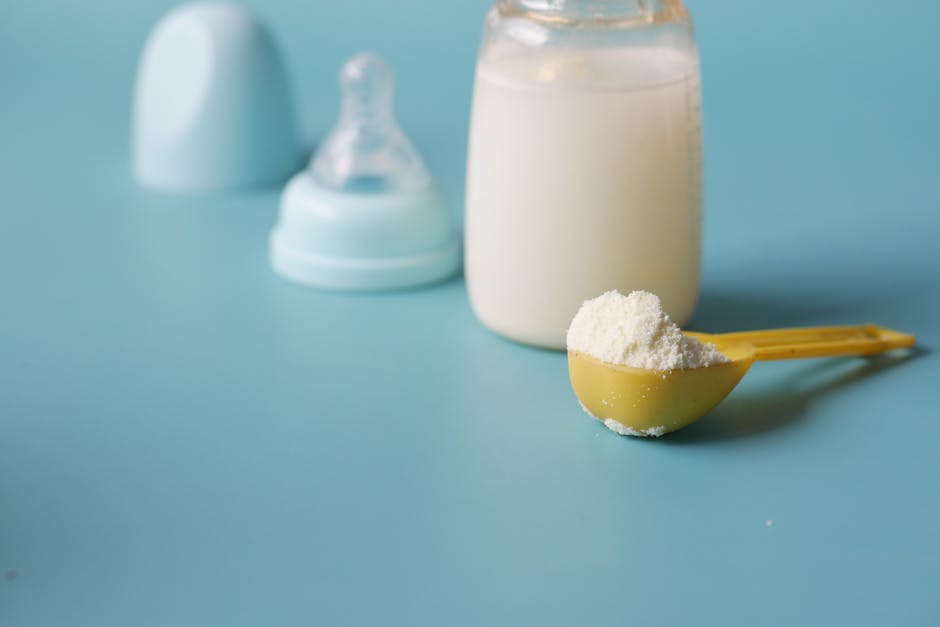
The Consumer Product Safety Improvement Act (CPSIA) defines children’s products as those primarily intended for use by children 12 and under. Baby product packaging for these items must comply with lead and phthalate restrictions in the substrate and inks, third-party testing requirements, and tracking label provisions.
The Children’s Product Certificate (CPC) documents compliance and must accompany shipments of children’s products. CPSC Children’s Product guidance details the certification, testing, and label requirements that apply across the category.
Sourcing compliant packaging? Search the free Packaura Supplier Directory — filter by material, certification, and location to find vetted suppliers that meet these requirements.
Infant Formula and Baby Food Regulations
Infant formula packaging falls under FDA’s Infant Formula Act, requiring tamper-evident closures, specific labeling for nutrient content, and notification to FDA before market introduction. Powdered formula cans typically use steel or composite construction with peelable foil seals and overcaps.
Baby food pouches — the dominant format for purees and squeeze pouch snacks — must meet FDA food contact substance requirements with particular attention to migration testing. FDA infant formula labeling outlines the regulatory requirements that govern this protected category.
Heavy Metal and Chemical Restrictions
Multiple states have restricted heavy metals and toxic chemicals in baby food packaging. California Proposition 65 requires warning labels for products exposing consumers to listed chemicals including lead, cadmium, and mercury. Maryland, Maine, and Washington have enacted PFAS restrictions in food packaging that extend to baby food.

Brands must verify supply chain compliance through certificates of analysis and migration testing. Our child-resistant packaging requirements coverage details the broader regulatory framework that governs both infant feeding products and OTC pediatric medications.
Tamper Evidence and Trust Signals
Parents read packaging carefully for tamper evidence, expiration dates, and ingredient transparency. Effective baby product packaging combines visible tamper-evident features (shrink bands, peelable seals, breakaway closures) with consumer-friendly opening mechanisms that don’t frustrate during use.
For infant formula, the standard tamper-evident architecture combines an inner foil seal heat-bonded to the can rim with an outer overcap. Baby food pouches use peelable membrane closures or one-way spout valves with safety rings. Visible tamper evidence at retail builds purchase confidence.
Sustainability Without Compromising Safety
Baby product brands face the same sustainability pressure as other CPG categories — recyclable formats, PCR content, reduced material use — but cannot compromise safety standards in the process. PCR plastic in food contact baby packaging requires FDA Letter of No Objection certification with extensive migration testing.
Recent innovations include mono-material PE baby food pouches replacing legacy multi-laminate constructions, paper-based formula scoops, and FSC-certified cardboard outer cartons. Pair these material innovations with the framework in our sustainable packaging certifications explained guide to ensure sustainability claims hold up to FTC Green Guide scrutiny in this trust-sensitive category.
Frequently Asked Questions
What is a Children’s Product Certificate?
A CPC is a written certification documenting that a children’s product complies with applicable safety rules, accompanied by third-party test reports.
Do baby food pouches require tamper-evident closures?
Yes, FDA requires tamper-evident features for infant and toddler food, typically achieved through peelable membrane closures, safety rings, or shrink bands.
Can recycled plastic be used in baby food packaging?
PCR plastic is permitted in food contact baby packaging if the resin holds an FDA Letter of No Objection with appropriate migration testing data.
What states restrict PFAS in baby food packaging?
Maine, Maryland, Washington, California, and several other states have enacted PFAS restrictions in food packaging that apply to baby food formats.
How is infant formula packaging different from regular food packaging?
Infant formula packaging falls under the Infant Formula Act, requiring FDA notification, specific nutrient labeling, tamper evidence, and standardized container formats.
1 thought on “8 Smart Baby Product Packaging Safety Standards for 2026”