
Packaging industry news this week hit hard across M&A, materials, and regulation — from New York’s EPR bill stalling for a third consecutive year and Berlin Packaging’s O.Berk acquisition reshaping the distribution landscape, to a resealable aluminum can system advancing toward pilot scale and twin EU PPWR deadlines bearing down on global brands. Here are all 14 must-know packaging industry news stories for the week of June 14, 2026.
Materials & Sustainability

CanReseal® Aluminum Can Technology Advances to Pilot Scale
Canovation and CANPACK have formalized a collaboration to move the CanReseal® resealable aluminum can-end system toward commercial readiness and pilot-line deployment, as confirmed by Packaging Dive. The can ends are produced from the same 3xxx-series aluminum as the can body — making the entire unit compatible with existing aluminum recycling streams — and are designed to replace single-use plastic closures for on-the-go beverage formats. Stolle Machinery Company continues to provide engineering, tooling, and manufacturing equipment support as the partners seek strategic investors to fund pilot-scale production. The partnership signals growing mainstream momentum for resealable aluminum, a format that addresses both consumer convenience and circular-economy commitments simultaneously.
Maine’s PFAS Ban Now Fully Enforced on Fiber-Based Food Packaging
As of May 25, 2026, Maine bars the sale of nine categories of plant-fiber food contact packaging containing intentionally added PFAS — covering paperboard trays, molded pulp containers, paper wraps, and fiber-based bowls. Brands and suppliers shipping into Maine must now meet “incidental presence” thresholds only, one of the most stringent PFAS-in-packaging standards in the United States. The rule is accelerating material shifts away from PFAS-treated fiber substrates toward barrier-film alternatives and uncoated compostable options, with procurement decisions cascading well beyond Maine’s borders. For teams managing compliance across food-adjacent categories, our overview of baby product packaging safety standards covers related substance-restriction frameworks.
EU PPWR Bans PFAS and Mandates Recyclability Across All EU-Bound Packaging
The EU Packaging and Packaging Waste Regulation (PPWR), effective August 12, 2026, prohibits intentionally added PFAS in food contact packaging sold throughout the EU — mirroring and broadening Maine’s approach on a continental scale. Beyond PFAS, the regulation requires all packaging to meet measurable recyclability criteria, imposes reuse targets by packaging type, and mandates deposit-return schemes for beverage containers in member states. For brands selling into Europe, the PPWR’s materials requirements make substrate selection a compliance decision, not just a cost or sustainability preference. Our detailed EU PPWR compliance checklist walks through all nine critical steps brand owners must complete.
“Substantiated Sustainability” Becomes the Defining Standard for 2026
Brand owners and converters are under mounting pressure to replace vague environmental claims with verified, measurable evidence as regulators on both sides of the Atlantic crack down on greenwashing. Cellulose films, PCR-powered polypropylene flow-wrap, and other materials that can pass third-party lifecycle verification are gaining significant market share over substrates that merely sound green. The Sustainable Packaging Coalition’s 2026 Sustainable Packaging Trends Report projects the verified sustainable packaging market reaching $737 billion by 2030, and notes that regulatory mandates — not voluntary commitments — are now the primary driver of materials innovation in the packaging industry news cycle.
Industry & Supply Chain
Berlin Packaging Acquires O.Berk Company, Deepens Pharma Reach
Berlin Packaging, the world’s largest hybrid packaging supplier, announced the acquisition of O.Berk Company on June 10, 2026. The 116-year-old, family-owned distributor operates across New Jersey, Connecticut, Maryland, and Southern California, serving pharmaceutical, nutraceutical, beauty, and personal care customers with plastic, glass, and metal containers. Berlin gains O.Berk’s e-commerce platform, custom tooling capabilities, and logistics management services alongside a deeply entrenched customer base in regulated industries. The deal continues a pattern of hybrid distributors absorbing specialty players to build end-to-end service models that commodity-only competitors cannot replicate.
International Paper Closes $360M Norpac Acquisition, Strengthening West Coast Presence
International Paper completed its $360 million acquisition of North Pacific Paper Co. (Norpac) on June 4, 2026, adding approximately 1 million tons of annual containerboard capacity at the company’s Longview, Washington mill. The Longview facility previously specialized in newsprint before pivoting to recycled packaging papers in 2021, giving IP a sustainability-aligned West Coast asset as CEO Andy Silvernail executes a broader North America/EMEA geographic split strategy. The deal cleared regulatory review ahead of schedule and positions IP to serve growing West Coast corrugated demand with reduced transportation costs.
Supremex Acquires Toronto’s Goldrich Printpak for $34 Million
Canadian envelope and packaging manufacturer Supremex added Goldrich Printpak Inc. — a 70-year-old Toronto folding carton operation — to its portfolio for approximately $34 million. Goldrich’s 68,000-square-foot facility and roughly 90 employees expand Supremex’s presence in Canada’s largest packaging market at a moment when brands are actively shortening supply chains and prioritizing North American production capacity. Goldrich’s folding carton capabilities complement Supremex’s existing envelope and specialty packaging lines, creating broader end-to-end services for food, retail, and consumer goods customers in the greater Toronto area.
PCA Defers Containerboard Exports to Rebuild Domestic Box-Plant Inventory
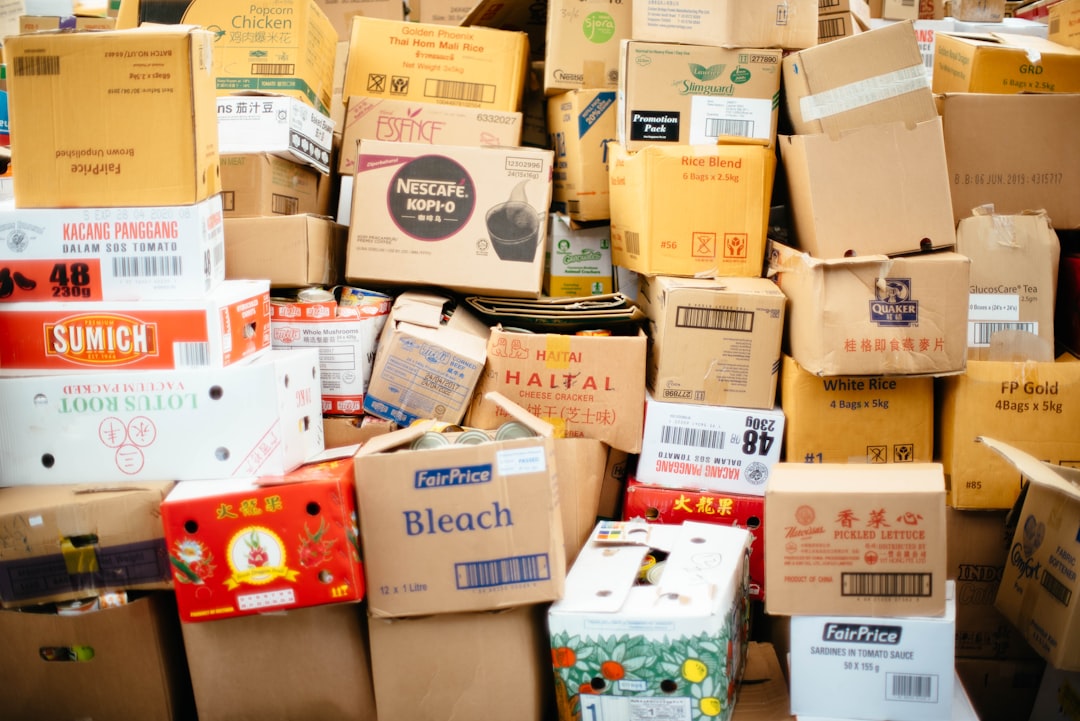
Packaging Corporation of America is reducing containerboard exports in May and June to replenish domestic box-plant inventory after a 90,000-ton drawdown in March and April, CEO Mark Kowlzan said at an investor event. The export deferral will cost PCA 3–4 cents in Q2 EPS but positions the company to capture higher-margin domestic corrugated demand in the second half, with corrugated shipments already running 24% above year-ago levels. The inventory rebuild follows PCA’s $1.8 billion acquisition of Greif’s containerboard business in September 2025, which expanded the production system PCA is now fully integrating.
Domtar Completes Sale of EAM Corporation to Saothair Capital Partners
Domtar finalized the sale of EAM Corporation — its Georgia-based engineered absorbent materials unit — to private equity firm Saothair Capital Partners on June 3, 2026. EAM manufactures nonwoven airlaid and laminated materials for hygiene, medical, food packaging, and industrial applications, making it a business that fits more naturally under dedicated ownership than within a pulp-and-paper core operation. The divestiture follows a broader wave of portfolio rationalization among large paper and fiber companies as they concentrate on higher-margin product lines and shed adjacencies.
Regulations & Design
New York Packaging EPR Bill Fails for Third Consecutive Year
New York’s Packaging Reduction and Recycling Infrastructure Act died in committee as the legislature adjourned June 10, 2026, without a floor vote in either chamber — the third straight year the bill has stalled. The legislation would have required packaging producers to fund a recycling system targeting 35% recycling rates by 2032, scaling to 75% by 2052, but faced heavy opposition from business groups warning of grocery price increases despite 73% voter support in a 2025 Siena College poll. The retirement of primary sponsor Assemblymember Deborah Glick adds significant uncertainty to the bill’s 2027 prospects, leaving New York as a prominent holdout among Northeastern EPR states.
California SB 343 Recyclability Label Deadline Is Now Four Months Away
California’s SB 343 takes effect October 4, 2026, prohibiting recycling symbols or “recyclable” claims on packaging unless at least 60% of Californians have curbside access to recycle that specific material type and facilities routinely reprocess it. The law disqualifies polystyrene foam, PVC containers, and most plastic films from any recyclability claim, and violations carry criminal penalties for brand owners. With fewer than four months until enforcement, brands across the country are conducting audits of all packaging labels and supplier documentation to confirm compliance. Structural packaging decisions that influence label positioning are covered in detail in our guide to corrugated box engineering specifications.
EU PPWR’s June 30 SME Deadline and August 12 Effective Date Close In
Beyond the materials requirements covered above, the PPWR presents two imminent compliance milestones: a June 30, 2026 registration and implementation deadline for small and micro packaging companies across the EU, and the full regulatory effective date of August 12, 2026. The regulation also requires that sustainability claims on EU-bound packaging align with the EU Green Claims Directive, meaning vague terms like “eco-friendly” or “recyclable” must be backed by third-party-verified lifecycle data. Global brands are simultaneously updating packaging materials and marketing language — a dual compliance burden that is reshaping supplier relationships and compressing design timelines across the industry.
Packaging Recycling Summit Opens Monday in Chicago Suburb
The annual Packaging Recycling Summit convenes June 15–17 at the Loews Chicago O’Hare Hotel in Rosemont, Illinois, under the theme “Designing the Circular Future: Policy, Innovation, and the Business Case for Recyclable Packaging.” CPG brands, material suppliers, MRFs, reprocessors, retailers, and policymakers are expected to address EPR funding models, design-for-recyclability standards, and post-consumer feedstock quality — three issues at the center of every major regulatory debate in packaging right now. The timing is notable, arriving just days before the EU PPWR’s June 30 deadline and mid-session in the U.S. state EPR calendar.
Esko World 2026 Highlights Compliance-Driven Design Innovation
Esko World 2026, held June 3–5 in New Orleans under the theme “Jazz up your packaging,” drew more than 500 converters, label specialists, brand representatives, and packaging professionals for three days of technology demonstrations and presentations. Key themes included workflow automation, digital prepress tools for sustainable design, and software platforms that help packaging teams reduce material waste while accelerating regulatory compliance reviews. The conference underscored a dominant packaging industry news theme of 2026: that design software and digital workflow are now as important as substrate selection in achieving cost-effective, regulation-ready packaging.
Sources
- Packaging Dive — Canpack aims to mainstream resealable can ends
- Packaging Dive — New York packaging EPR bill won’t move forward in 2026
- Packaging Dive — PCA to defer export sales as it rebuilds inventory
- PR Newswire — Berlin Packaging Acquires O.Berk Company
- Packaging Dive — International Paper Acquires North Pacific Paper Co. for $360M
Frequently Asked Questions
What happened to New York’s packaging EPR bill in 2026?
New York’s Packaging Reduction and Recycling Infrastructure Act failed to advance for the third consecutive year. The state legislature adjourned June 10, 2026 without a floor vote in either chamber, and the bill’s primary sponsor, Assemblymember Deborah Glick, is retiring — leaving its 2027 future deeply uncertain.
What are the EU PPWR deadlines brands need to know in mid-2026?
Two PPWR deadlines are now imminent: June 30, 2026, when small and micro packaging companies must meet EU registration and implementation requirements, and August 12, 2026, when the full regulation takes legal effect across all EU member states. Requirements cover recyclability standards, reuse targets, PFAS bans in food contact packaging, deposit-return obligations, and verified sustainability claims.
Why did Berlin Packaging acquire O.Berk Company?
Berlin Packaging acquired O.Berk to deepen its presence in pharmaceutical, nutraceutical, beauty, and personal care markets. The 116-year-old New Jersey-based distributor adds an e-commerce platform, custom tooling, logistics management, and a well-established customer base across four states, strengthening Berlin’s position as the world’s largest hybrid packaging supplier.
What is CanReseal® and when will resealable aluminum cans reach commercial markets?
CanReseal® is a resealable can-end system developed by Canovation that uses the same 3xxx-series aluminum as the can body, making it fully recyclable and compatible with existing recycling infrastructure. Canovation and CANPACK formalized a partnership in June 2026 to advance pilot-scale manufacturing, with commercial launch dependent on securing strategic investors and completing production trials expected in the coming years.
What does California’s SB 343 require from packaging brands before October 2026?
California’s SB 343, effective October 4, 2026, prohibits recycling symbols or “recyclable” claims on packaging unless at least 60% of Californians have curbside access to recycle that specific material and processing facilities routinely handle it. Materials such as polystyrene foam, PVC, and most plastic films are disqualified. Violations carry criminal penalties, making SB 343 one of the most consequential packaging labeling laws in U.S. history.