
California EPR requirements under SB 54 fundamentally restructure how producers fund and manage packaging waste in the country’s largest consumer market. With initial fee schedules taking effect in 2027 and full implementation by 2032, brands selling into California — from CPG giants to ecommerce sellers — face new producer responsibility organization (PRO) obligations, eco-modulated fees, and recyclability deadlines. This guide breaks down what packaging producers need to know now to prepare for compliance.
Scope and Covered Materials
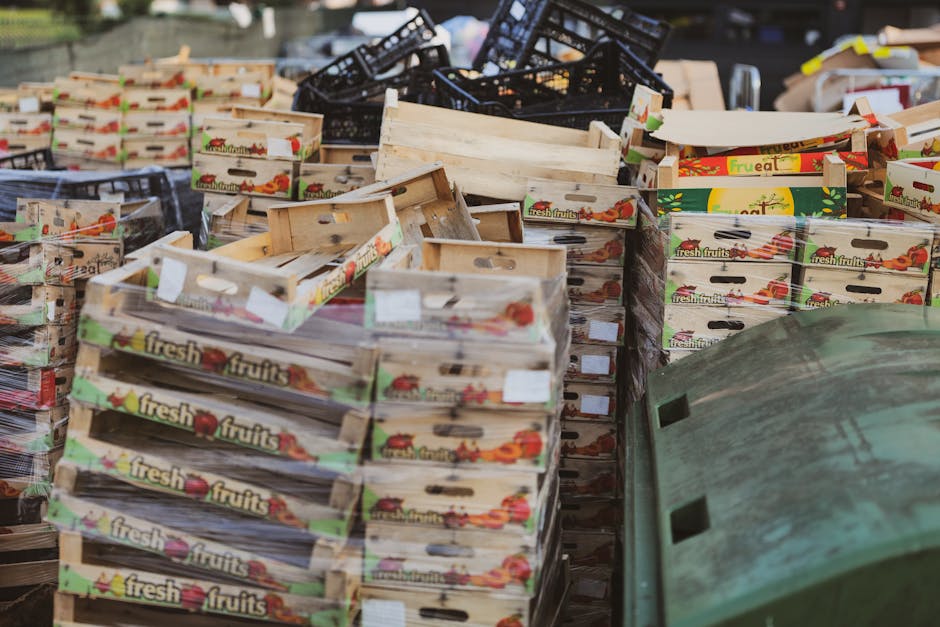
SB 54, the Plastic Pollution Prevention and Packaging Producer Responsibility Act, covers all single-use packaging and plastic food service ware sold in California. California EPR requirements apply to producers (typically the brand owner or first importer) of any covered material — plastic, paper, glass, metal, or compostable — sold or distributed in the state.
Threshold exemptions are minimal: the law applies to producers with over $1 million in California gross sales of covered material. Even small brands shipping into California through Amazon FBA or DTC channels face producer obligations. CalRecycle publishes the official regulations and producer registration portal.
Sourcing compliant packaging? Search the free Packaura Supplier Directory — filter by material, certification, and location to find vetted suppliers that meet these requirements.
The Producer Responsibility Organization (PRO) Model
California requires producers to join a PRO that handles fee collection, infrastructure investment, and compliance reporting on members’ behalf. The Circular Action Alliance (CAA) was approved as the initial PRO in 2024. Producers register with the PRO, report annual material tonnage by resin and format, and pay assessed fees.
The PRO uses collected fees to fund recycling infrastructure expansion, consumer education, and reimbursements to local jurisdictions. Brands evaluating their California exposure should pair PRO registration with the supplier governance laid out in our packaging supply chain management guide to track material flows accurately.
Eco-Modulated Fee Structures
Unlike flat fees, California’s EPR program uses eco-modulation: materials with higher recyclability and recycled content earn fee discounts, while problem materials face surcharges. Expected fee modulations include reduced fees for mono-material structures, post-consumer recycled (PCR) content above 30%, and certified compostable materials in jurisdictions with composting infrastructure.
Surcharges target multi-laminate flexibles, pigmented PET, PVC, polystyrene foam, and any material lacking viable end-of-life pathways. Packaging Dive tracks fee schedule developments as PROs finalize the modulation calculations.
Recyclability and Source Reduction Targets
SB 54 sets binding targets that reshape product portfolios over the next decade: 25% source reduction of plastic packaging by 2032, 65% recycling rate for plastic packaging by 2032, and 100% of plastic packaging must be recyclable or compostable by 2032. These targets cascade through producer obligations as eco-modulation fee schedules and material restriction lists.
Brands relying on multi-laminate flexibles, PVC shrink labels, or polystyrene clamshells face accelerating pressure to reformulate before fees become punitive. The fastest path to compliance often involves switching to mono-material alternatives covered in our biodegradable packaging guide for compostable formats and APR-recognized recyclable structures.
Reporting, Documentation, and Audit Risk
Producers must report packaging tonnage by material type, format, and recyclability classification annually. Documentation requirements include resin certificates, supplier declarations of recycled content, and chain-of-custody records for compostable certifications. CalRecycle reserves audit authority and can impose penalties up to $50,000 per day for non-compliance.
Building reporting infrastructure now — before the 2027 fee schedule begins — prevents scramble compliance and audit exposure. Many CPG brands are integrating EPR data collection into PLM systems, supplier portals, and SAP modules to automate annual reporting. Pair this with rigorous testing per our packaging testing and quality assurance methods framework to confirm recyclability claims hold up to regulatory scrutiny.
Frequently Asked Questions
When do California EPR fees take effect?
Initial producer fees begin in 2027 under SB 54, with full program implementation including binding recyclability and source reduction targets by 2032.
Who is considered a “producer” under California EPR?
Producers are typically the brand owner of the packaged product, or the first importer if the product is brought into California from outside the state.
What is a Producer Responsibility Organization (PRO)?
A PRO is an industry-managed entity that collects fees from producers and reinvests them in recycling infrastructure, consumer education, and jurisdictional reimbursement.
How much will EPR fees cost producers?
Fee schedules are still being finalized, but estimates suggest $0.05-$0.15 per pound of plastic packaging on average, with eco-modulation adjusting based on material type.
Does SB 54 apply to ecommerce sellers shipping into California?
Yes, ecommerce sellers exceeding the $1 million California sales threshold are producers under SB 54 and must register with the PRO and pay fees.
1 thought on “California SB 54 EPR Requirements: Full Compliance Guide”