
Biodegradable packaging is rapidly gaining traction as brands seek alternatives to conventional plastics that persist in the environment for hundreds of years. However, not all biodegradable packaging is created equal — understanding the science, certifications, and real-world performance of these materials is essential before making the switch. Packaura helps brands navigate the complex landscape of biodegradable packaging by connecting them with verified suppliers who offer genuinely sustainable solutions.
What Is Biodegradable Packaging, Really?
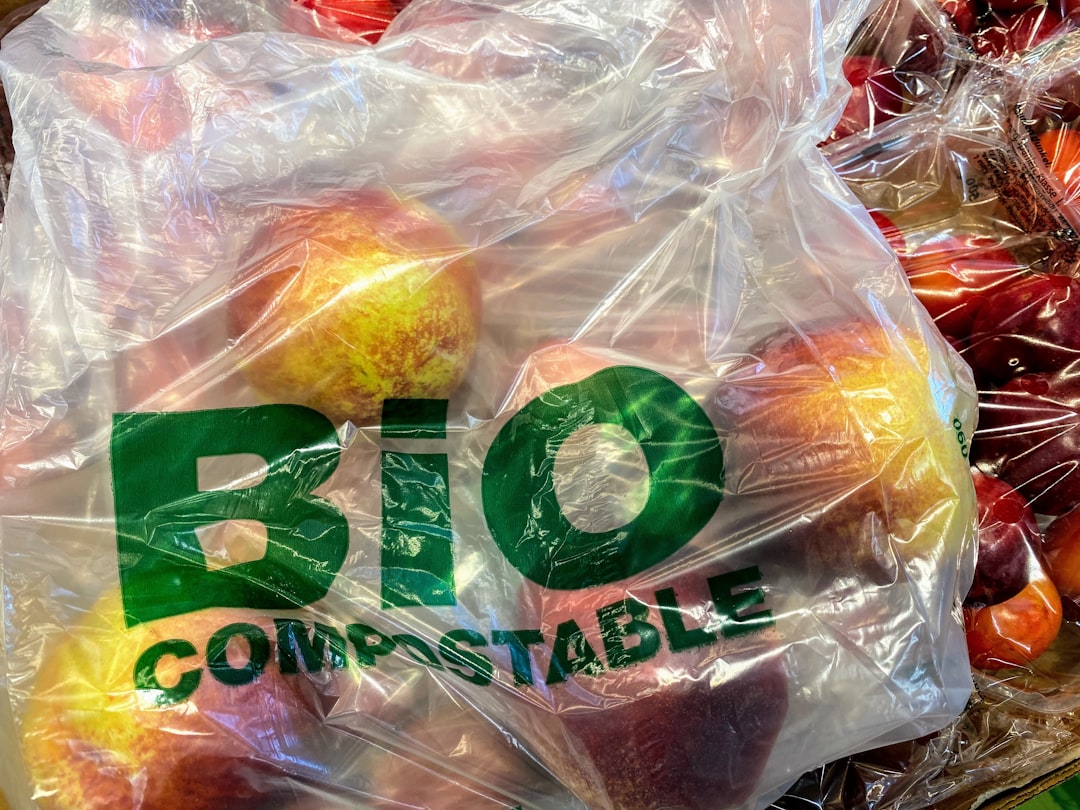
Biodegradable packaging refers to materials that break down into natural elements — water, carbon dioxide, and biomass — through the action of microorganisms. The critical distinction is the timeframe and conditions required for decomposition. A material that biodegrades in an industrial composting facility at 60°C may persist for decades in a landfill or ocean. According to the European Bioplastics Association, true biodegradability requires meeting specific standards (EN 13432 in Europe, ASTM D6400 in the US) that define decomposition rates under controlled conditions.
This nuance matters enormously. Brands that market biodegradable packaging without understanding these distinctions risk greenwashing accusations and regulatory penalties.
5 Critical Facts About Biodegradable Packaging
1. Biodegradable Does Not Mean Compostable (and Vice Versa)
The terms biodegradable and compostable are often used interchangeably, but they mean different things. All compostable materials are biodegradable, but not all biodegradable packaging is compostable. Compostable packaging must break down within a specific timeframe (typically 90 days in industrial facilities) and leave no toxic residue. Biodegradable packaging has no defined timeframe — a material could technically take 50 years to biodegrade and still be labeled biodegradable.
For brands serious about sustainability, look for certified compostable packaging with verified credentials rather than vague biodegradable claims.
2. Industrial vs. Home Composting Changes Everything
Most biodegradable packaging requires industrial composting facilities that maintain temperatures of 55-60°C to decompose effectively. Only a fraction of consumers have access to industrial composting infrastructure — the US Composting Council estimates that only about 27% of the US population has access to curbside composting programs. Materials certified for home composting (TÜV Austria OK compost HOME) break down at lower temperatures in backyard compost bins, but the range of materials meeting this standard is more limited.
Before choosing biodegradable packaging, research the composting infrastructure available to your target customers. If most of your customers cannot compost your packaging, it may end up in a landfill where biodegradation is extremely slow.
3. Common Biodegradable Packaging Materials
Several materials dominate the biodegradable packaging market:
- PLA (Polylactic Acid) — derived from corn starch or sugarcane, used for packaging jars, cups, and films. Requires industrial composting.
- Bagasse — sugarcane fiber waste, used for food containers, plates, and trays. Widely compostable.
- Molded fiber — recycled paper pulp shaped into protective packaging trays and inserts.
- Cellulose films — wood-pulp-based transparent films used as alternatives to plastic wraps and pouches and bags.
- Starch-based loose fill — packing peanuts made from corn starch that dissolve in water.
Each material has different performance characteristics, cost profiles, and end-of-life pathways that must be evaluated against your specific packaging requirements.
4. Performance Trade-Offs Are Real
Biodegradable packaging materials often have different performance characteristics compared to conventional plastics. Key trade-offs include:
- Moisture sensitivity — many biodegradable materials absorb moisture, limiting shelf life for some food products
- Heat resistance — PLA softens at temperatures above 50°C, restricting hot-fill applications
- Barrier properties — biodegradable films generally offer lower oxygen and moisture barriers than conventional plastic films
- Shelf life — biodegradable packaging may itself have a limited shelf life before it begins to degrade in storage
- Cost — biodegradable packaging typically costs 10-30% more than conventional equivalents, though the gap is narrowing
These trade-offs do not disqualify biodegradable packaging, but they require careful evaluation. For products where food safety and compliance are critical, thorough testing under actual storage and distribution conditions is essential.
5. Certifications and Standards Matter
Credible biodegradable packaging must carry recognized certifications:
- BPI Certified Compostable (North America) — meets ASTM D6400 for compostable plastics
- TÜV Austria OK compost (Europe) — verified to EN 13432 standards
- Seedling Logo (Europe) — European Bioplastics certification for industrial compostability
- OK compost HOME — certified for home composting conditions
- FSC or PEFC — for paper-based biodegradable materials from responsibly managed forests
Without these certifications, biodegradable claims are unverifiable and may violate advertising regulations. The FTC Green Guides in the United States specifically address biodegradable marketing claims and require qualification if decomposition takes more than one year.
How to Transition to Biodegradable Packaging
Start with a packaging audit to identify which components are the best candidates for biodegradable alternatives. Secondary packaging (outer wraps, void fill, shipping materials) is often the easiest to switch because performance requirements are less demanding than primary product packaging.
Work with suppliers who can provide material samples and testing data relevant to your specific product and distribution conditions. The Packaura marketplace features verified suppliers offering custom packaging solutions with biodegradable materials across multiple categories. Transitioning gradually — one product line or packaging component at a time — reduces risk and allows you to gather real-world performance data before scaling.
Frequently Asked Questions
How long does biodegradable packaging take to decompose?
Decomposition time varies dramatically by material and conditions. In industrial composting facilities (55-60°C with proper moisture), certified compostable packaging breaks down within 90-180 days. In home compost bins, the same materials may take 6-12 months. In landfills, where oxygen and moisture are limited, biodegradable packaging may take years or decades to decompose. The environment where the packaging ends up matters more than the material itself.
Is biodegradable packaging more expensive than regular packaging?
Biodegradable packaging currently costs 10-30% more than conventional plastic equivalents, though prices are declining as production scales increase. PLA packaging is now only 15-20% more expensive than standard PET for many applications. When factoring in potential savings from reduced waste disposal fees, brand value from sustainability positioning, and anticipated regulatory costs for non-recyclable packaging, the total cost difference narrows significantly.
Can biodegradable packaging be recycled?
Generally, biodegradable packaging should not be placed in conventional recycling streams because it can contaminate the recycling process. PLA looks similar to PET but has a lower melting point, which can damage recycled PET batches. Biodegradable packaging should be composted through industrial or home composting programs. Some paper-based biodegradable materials can be recycled through standard paper recycling if they are uncoated and uncontaminated.
4 thoughts on “Biodegradable Packaging: 5 Critical Facts Brands Must Know Before Switching”