
Mushroom packaging — molded protective foam grown from mycelium and agricultural waste — has evolved from novelty curiosity to commercially deployed alternative to expanded polystyrene (EPS) and polyurethane foam protective packaging. Companies like Ecovative, Magical Mushroom Company, and Grown.bio supply major brands including Dell, IKEA, and luxury cosmetic houses. This guide breaks down the technology, economics, and brand applications driving mycelium adoption.
How Mushroom Packaging Is Grown
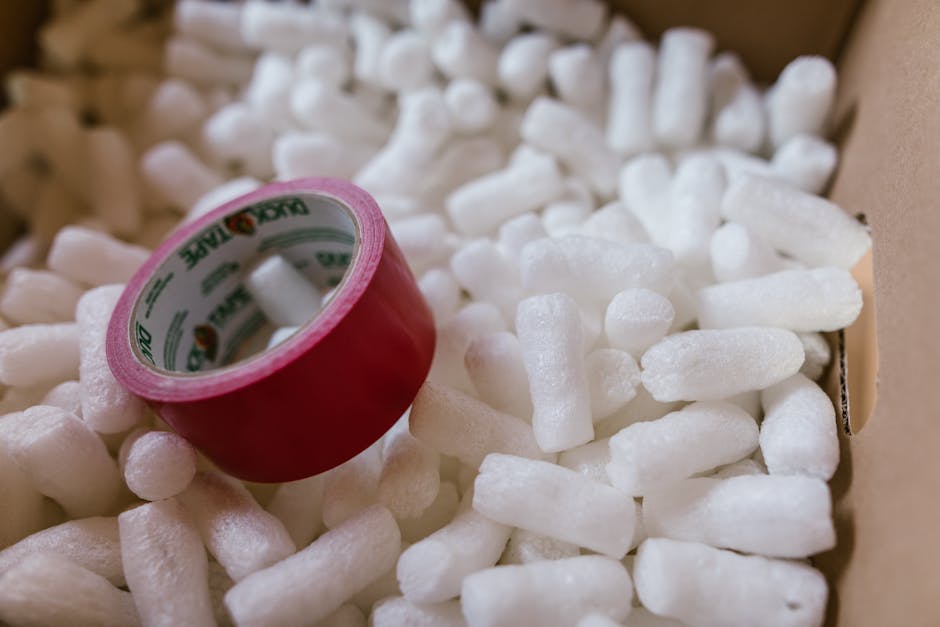
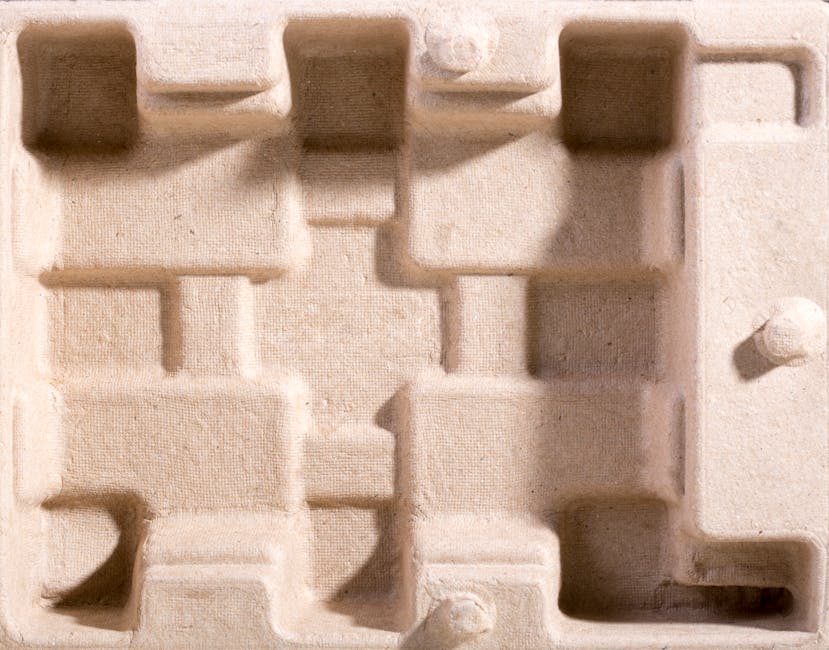
Mycelium, the root structure of fungi, binds together agricultural waste substrates (hemp hurds, corn stover, sawdust, cotton waste) to form rigid molded shapes that mimic EPS foam protective inserts. Mushroom packaging production starts with sterilized substrate inoculated with mycelium spores, packed into molds, and grown for 5-9 days in controlled conditions before heat-deactivation locks the final shape.
The resulting material has density and compression resistance comparable to EPS, but with full home-compostability and biodegradation in 30-60 days under field conditions. Packaging Dive covers commercial deployments and brand case studies across the mycelium packaging segment.
Performance Compared to EPS Foam
Mushroom packaging matches EPS in compressive strength (4-7 psi), shock absorption, and thermal insulation properties. The material handles ISTA 3A drop testing for protective inserts when designed appropriately. Density ranges from 60-90 kg/m³, comparable to medium-density EPS.
Limitations include higher moisture sensitivity (can absorb water and lose strength in wet conditions), longer lead times for custom geometry development, and minimum order quantities. Our biodegradable packaging guide compares mycelium with other compostable protective packaging options.
Cost Economics and Scale
At current production scale, mushroom packaging costs 1.5-3x more than equivalent EPS protective inserts on a per-unit basis. Premium brands willing to pay sustainability premiums account for most current adoption. As capacity expands and substrate sourcing matures, cost parity with EPS appears achievable in 3-7 year horizons.
Brands adopting mushroom packaging often pair the choice with marketing investment that amortizes the premium across consumer engagement value. EPA’s National Recycling Strategy highlights compostable packaging as a key alternative to single-use plastics, supporting the policy environment for mycelium adoption.
Major Brand Deployments
Dell pioneered mushroom packaging adoption in 2012 for server packaging, replacing EPS inserts. IKEA committed to mushroom packaging for furniture protective inserts in 2016. Luxury cosmetic brands including LUSH and Aesop have integrated mycelium inserts into limited-edition gift sets.
Wine and spirits brands use mycelium for premium 6-pack carriers and protective inserts in DTC ecommerce shipments. The category fits well where brand storytelling supports premium positioning and recipients value compostable end-of-life. Pair these material choices with the framework in our ecommerce packaging strategies guide to align unboxing experience with sustainability messaging.
End-of-Life and Composting Considerations
Mushroom packaging is certified home-compostable, breaking down in standard backyard compost piles within 30-60 days. Industrial composting is faster (typically 2-4 weeks). The material can also be torn apart and added to garden soil as a slow-release fertilizer, providing nitrogen and trace minerals.
Consumers who don’t compost can dispose of mycelium packaging in food waste streams (where municipal collection exists) or general garbage where it biodegrades faster than equivalent foam. The end-of-life flexibility is a meaningful sustainability advantage over recyclable but functionally landfilled EPS.
Future Materials and Hybrid Approaches
Beyond traditional protective inserts, mycelium technology is expanding into rigid containers, leather-like materials for luxury packaging, and even structural building components. Hybrid approaches combining mycelium with paper-based outer wraps or recyclable plastic films extend functional applications while preserving compostability claims.
For brands evaluating mushroom packaging, pilot deployments on limited-edition or premium DTC SKUs offer low-risk learning before broader rollout. Combine these material decisions with the certification framework in our sustainable packaging certifications explained guide to ensure compostability claims meet ASTM D6400 and BPI certification standards.
Frequently Asked Questions
What is mushroom packaging made from?
Mushroom packaging combines mycelium (fungal root structure) with agricultural waste substrates like hemp hurds, corn stover, or sawdust, grown into rigid molded shapes.
How does mushroom packaging compare to EPS foam?
Mushroom packaging matches EPS in compressive strength (4-7 psi), shock absorption, and thermal insulation, while being fully home-compostable in 30-60 days.
How much does mushroom packaging cost vs. EPS?
Currently 1.5-3x more expensive than EPS at scale, with cost parity achievable in 3-7 year horizons as production capacity expands and substrate sourcing matures.
Which brands use mushroom packaging?
Dell pioneered adoption in 2012, followed by IKEA, LUSH, Aesop, premium wine and spirits brands, and various luxury cosmetic houses for limited editions and DTC.
How long does mushroom packaging take to compost?
Mushroom packaging composts in 30-60 days in home backyard piles, faster (2-4 weeks) in industrial composting facilities, and can be added to garden soil as fertilizer.
1 thought on “10 Crucial Mushroom Packaging Innovations Replacing Foam”