
Cannabis packaging compliance sits at the intersection of evolving state regulations, child-resistance mandates, and rapidly shifting sustainability expectations from regulators in California, New York, and a dozen other adult-use markets. Brands that misread the rulebook face product recalls, license suspensions, and six-figure fines. This guide breaks down the federal CPSC requirements, state-by-state variations, and material trends defining cannabis packaging in 2026.
Federal Child-Resistance Foundation
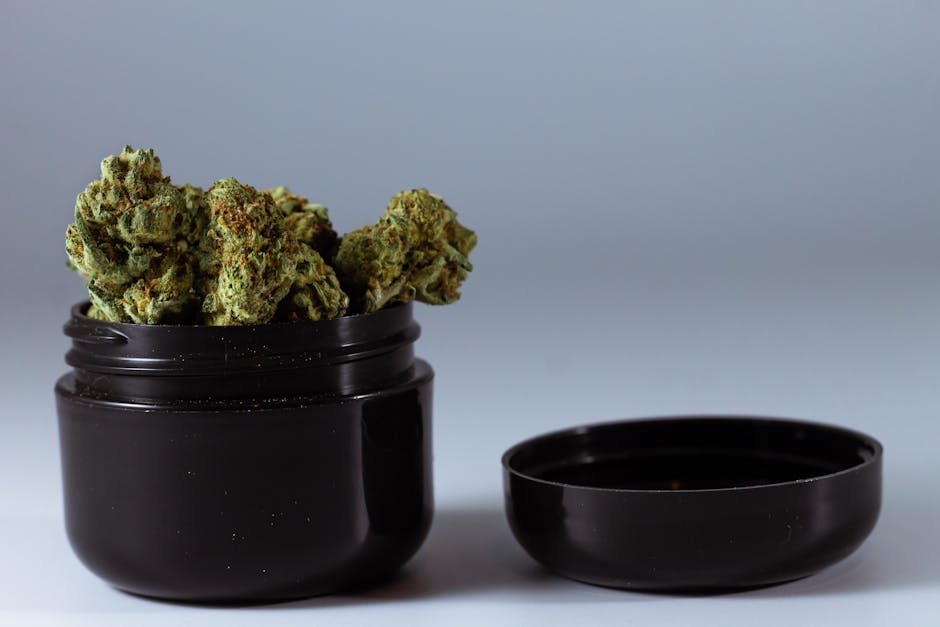
Every cannabis product container — whether a flower jar, edible pouch, or vape cartridge box — must comply with 16 CFR 1700, the Poison Prevention Packaging Act administered by the Consumer Product Safety Commission. Testing requires the F=1 protocol with 50 children aged 42 to 51 months and a senior adult use effectiveness study. Cannabis packaging compliance demands certified test reports from ISO 17025 labs, kept on file and refreshed every five years or upon design change.
Most states layer additional cannabis-specific requirements on top of CPSC, including resealable child-resistance for multi-serving edibles (rather than single-use child-resistance), opaque packaging to obscure contents, and specific warning symbols. The CPSC compliance guidance provides the foundational testing framework that state regulators reference.
Sourcing compliant packaging? Search the free Packaura Supplier Directory — filter by material, certification, and location to find vetted suppliers that meet these requirements.
State-by-State Variations You Cannot Ignore
California’s Department of Cannabis Control mandates resealable child-resistance for any product containing more than one serving, plus the state’s universal cannabis symbol and a “Government Warning” statement. New York adds specific font size requirements (minimum 1/16 inch for warnings) and prohibits cartoon imagery or any design appealing to minors. Massachusetts enforces a separate certification process through the Cannabis Control Commission.
For multi-state operators, the path of least resistance is designing to the strictest standard — typically California — and then adjusting label copy per jurisdiction. Our child-resistant packaging requirements breakdown explains the underlying CPSC test methodology that all state cannabis programs build on.
Material Choices: Glass, Mylar, and Sustainable Alternatives
Glass jars dominate premium flower SKUs for shelf appeal and barrier performance, with 1/8 oz (3.5g) jars in 60ml-90ml capacities being the workhorse format. Mylar pouches with child-resistant zippers handle larger format flower (1 oz) and edibles efficiently, offering excellent oxygen and moisture barriers at lower per-unit cost. Tin cans, aluminum bottles, and PCR plastic alternatives are gaining traction.
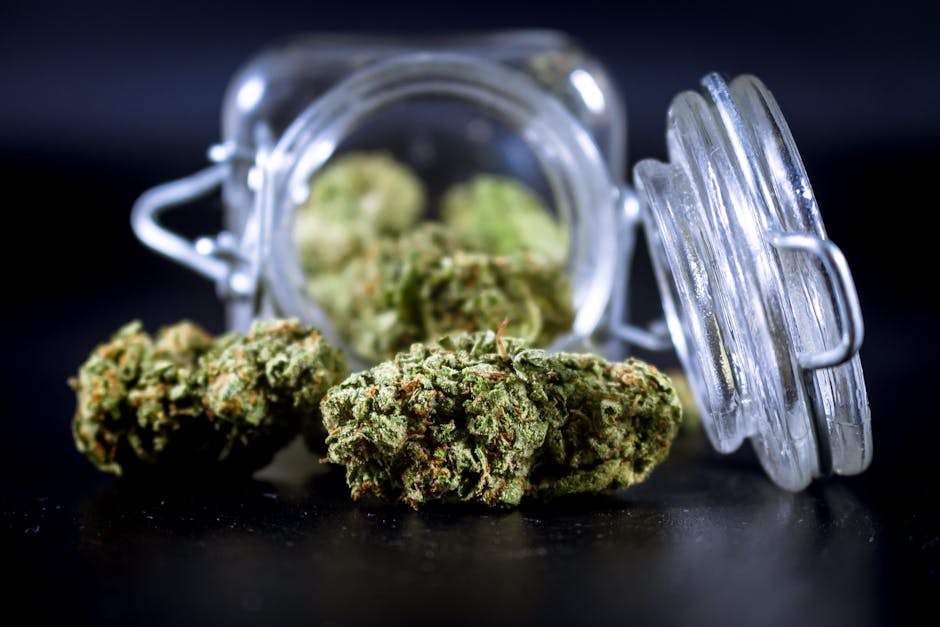
California’s SB 343 (truth in recycling) restricts the chasing arrows symbol unless materials meet the state’s recyclability definition, complicating cannabis packaging that often combines child-resistant mechanisms with non-recyclable substrates. Packaging Dive has tracked how cannabis brands like Cann, Kiva, and Garden Society are navigating these constraints.
Tamper Evidence and Anti-Diversion Features
Beyond child-resistance, cannabis packaging must demonstrate tamper evidence — typically through shrink bands, breakable seals, or peel-and-reveal closures. Anti-diversion features like serialized barcodes, holographic foils, and METRC-compatible track-and-trace integration are increasingly required. Colorado’s enforcement actions in 2024 and 2025 demonstrated regulators will pull licenses over missing tamper evidence on flower jars.
For edibles, individual dose markings (each gummy embossed with the universal cannabis symbol or “10mg THC”) are required in California, Oregon, Washington, and a growing list of states. This pushes brands toward custom mold tooling and specialty confectionery equipment, adding capex but reducing regulatory exposure.
Sustainability Pressure and EPR Implications
Cannabis packaging generates significant waste — by some estimates, the U.S. industry produces over 1 billion units of single-use child-resistant packaging annually. Several states with extended producer responsibility (EPR) laws now sweep cannabis packaging into producer fee schedules, including Maine, Oregon, Colorado, and California’s SB 54 program effective 2027.
Brands evaluating sustainable alternatives should look at compostable mylar, ocean-bound PCR resin, hemp-based bioplastics, and refillable tin systems. Our biodegradable packaging guide covers the certification standards and end-of-life realities that cannabis brands need to vet before making sustainability claims that could trigger FTC Green Guide scrutiny.
Frequently Asked Questions
What CPSC standard applies to cannabis packaging?
16 CFR 1700 governs all child-resistant packaging in the U.S., requiring testing with 50 children aged 42-51 months and a senior adult use effectiveness study.
Are mylar pouches allowed for cannabis flower?
Yes, when paired with a certified child-resistant zipper or heat seal that passes CPSC testing. Most states accept mylar provided opacity and CR requirements are met.
How often must child-resistant packaging be retested?
Every five years, or whenever the design, material, or closure mechanism changes. Test reports must be kept on file for regulatory inspection.
Do cannabis packages need recyclability symbols?
Only if the package genuinely meets recyclability criteria under state law. California’s SB 343 prohibits misleading chasing arrows on most CR cannabis packaging.
What is the universal cannabis symbol requirement?
Most adult-use states require a state-specific cannabis warning symbol on all packaging and individual dose markings on edibles. California, Oregon, and Washington publish specific artwork files for use.