
Frozen food packaging must withstand temperatures as low as -40°C, resist freezer burn through 12-month shelf lives, run cleanly on high-speed VFFS lines, and increasingly satisfy recyclability mandates from California to the EU. The category’s packaging requirements diverge significantly from ambient food formats — substrate selection, sealant chemistry, and graphic design all hinge on frozen-specific performance criteria. This guide breaks down what frozen food brand managers need to specify.
Material Selection for Sub-Zero Performance
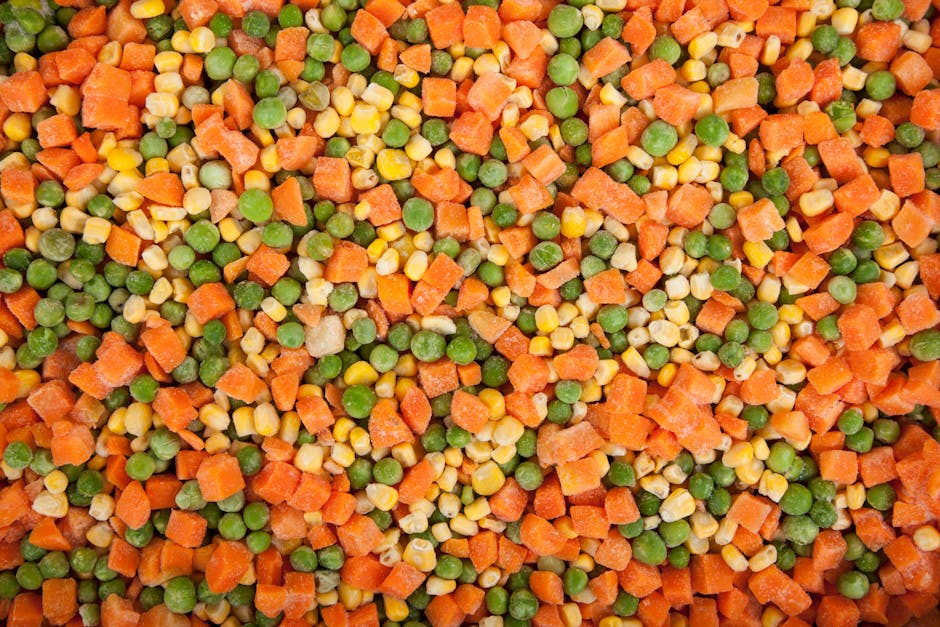
Standard PE films embrittle below -20°C, causing seal failures and consumer-facing tears at the freezer case. Frozen-grade packaging films incorporate metallocene LLDPE (mLLDPE) sealant layers and modified film structures that retain flexibility down to -40°C. Frozen food packaging for vegetables, prepared meals, and ice cream relies on specialty film formulations that ambient food packaging suppliers don’t always stock.
For paperboard cartons used in frozen entrées and pizza, wax-coated or PE-coated boards prevent moisture migration and ice crystal formation. Packaging Digest covers material innovations specifically engineered for frozen applications.
Barrier Properties and Freezer Burn Prevention
Freezer burn results from sublimation of ice crystals through the package, drying out food surfaces and creating pale, leathery patches. Effective frozen packaging must combine moisture vapor barriers (MVTR below 1 g/m²/day) with oxygen barriers to prevent oxidative rancidity in fats and oils.
Multi-laminate structures with EVOH or metallized PET barrier layers achieve these targets but face EPR fee pressure. Mono-material PE pouches with vacuum-deposited SiOx or AlOx coatings increasingly satisfy both performance and recyclability requirements. Our mono-material packaging strategies coverage details how brands balance these competing demands.
Closure Systems and Reseal Features
Frozen food packaging closures range from simple heat seals to consumer-friendly resealable zippers, slide closures, and peelable membranes. Resealable features now dominate frozen vegetable, frozen fruit, and frozen meal categories, supporting partial-portion use and reducing food waste.
Consumer research from FMI and Acosta consistently shows resealable frozen packaging drives 8-15% volume lift versus non-reseal alternatives. The cost premium of $0.02-$0.05 per unit pays back through retention and category growth. FDA food labeling requirements apply equally to frozen and ambient categories, including allergen disclosures and nutrition facts.
Microwaveable and Dual-Ovenable Designs
Frozen prepared meals increasingly require packaging that goes from freezer to microwave or oven without transfer. Crystalline polyester (CPET) trays withstand both freezer and conventional oven temperatures up to 220°C. Microwaveable pouches incorporate steam-vent valves that release pressure during heating, preventing burst seals.
Susceptor films integrated into pizza boxes and crispy frozen snack packaging convert microwave energy to surface heat, browning food in microwave ovens. These specialty materials require careful supplier qualification and recyclability evaluation.
Print, Graphics, and Frost Resistance
Graphics printed on frozen packaging face unique challenges: the cold environment causes ink cracking and adhesion failures, while frost accumulation in freezer cases obscures graphics. Specifying low-temperature flexible inks, anti-fog overcoats, and high-contrast color palettes ensures graphics remain legible and intact through the cold chain.
For ecommerce frozen brands shipping direct to consumer, additional secondary packaging considerations apply. Pair frozen primary packaging design with the cold chain principles in our cold chain packaging pharmaceutical guide to ensure end-to-end temperature integrity.
Frequently Asked Questions
What temperature range must frozen food packaging withstand?
Frozen food packaging typically must perform from ambient down to -40°C, covering retail freezer cases (-18°C) and industrial blast freezing (-30°C to -40°C).
Why do standard PE films fail at frozen temperatures?
Standard LLDPE films embrittle below -20°C, causing seal failures and tears. Frozen-grade films use mLLDPE sealants and modified structures that retain flexibility to -40°C.
Are CPET trays microwave and oven safe?
Yes, crystalline polyester (CPET) trays withstand freezer storage and conventional oven temperatures up to 220°C, making them ideal for dual-ovenable frozen meals.
How can frozen packaging be made recyclable?
Mono-material PE pouches with SiOx or AlOx vacuum-deposited barriers offer recyclability while meeting freezer burn and oxygen barrier requirements.
Do resealable closures justify their cost in frozen?
Yes, resealable frozen packaging drives 8-15% volume lift versus non-reseal alternatives, with $0.02-$0.05 cost premiums typically recovered through retention.