
Kombucha is a live, carbonated, acidic product, which makes it one of the toughest beverages to package well. The container has to hold pressure, limit the light exposure that degrades flavor and probiotics, and survive months on a shelf or in a delivery truck without leaking, exploding, or tasting off.
This guide compares the three materials that dominate craft beverage packaging — glass, PET plastic, and aluminum cans — so you can weigh carbonation retention, shelf life, cost, and brand image before you pick a bottle or can for your kombucha or other craft drink.
Quick Answer
Glass is the safest and most common choice for carbonated kombucha because it’s essentially impermeable to gas and handles fermentation pressure well, though it’s heavy, breakable, and carries a higher shipping cost. Aluminum cans are lighter, ship more efficiently, and block light completely since the metal itself is opaque, but the interior lining and the drink’s low pH need to be a confirmed match with your can supplier. PET plastic is the lightest and cheapest option but lets carbonation and oxygen slowly escape over time, so it suits short shelf-life or less-carbonated products better than a highly fizzy kombucha meant to sit on a shelf for months.
How Each Material Performs
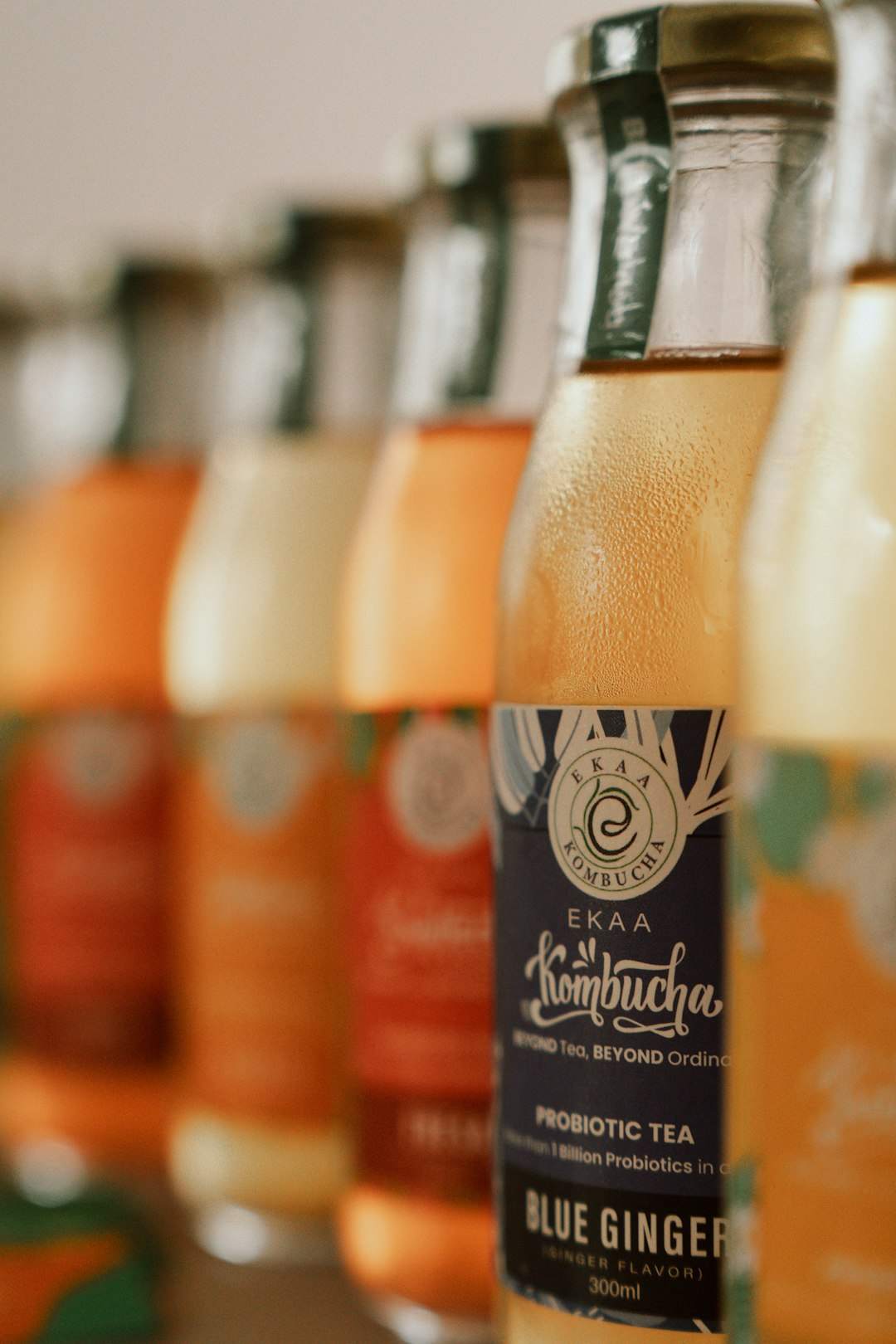
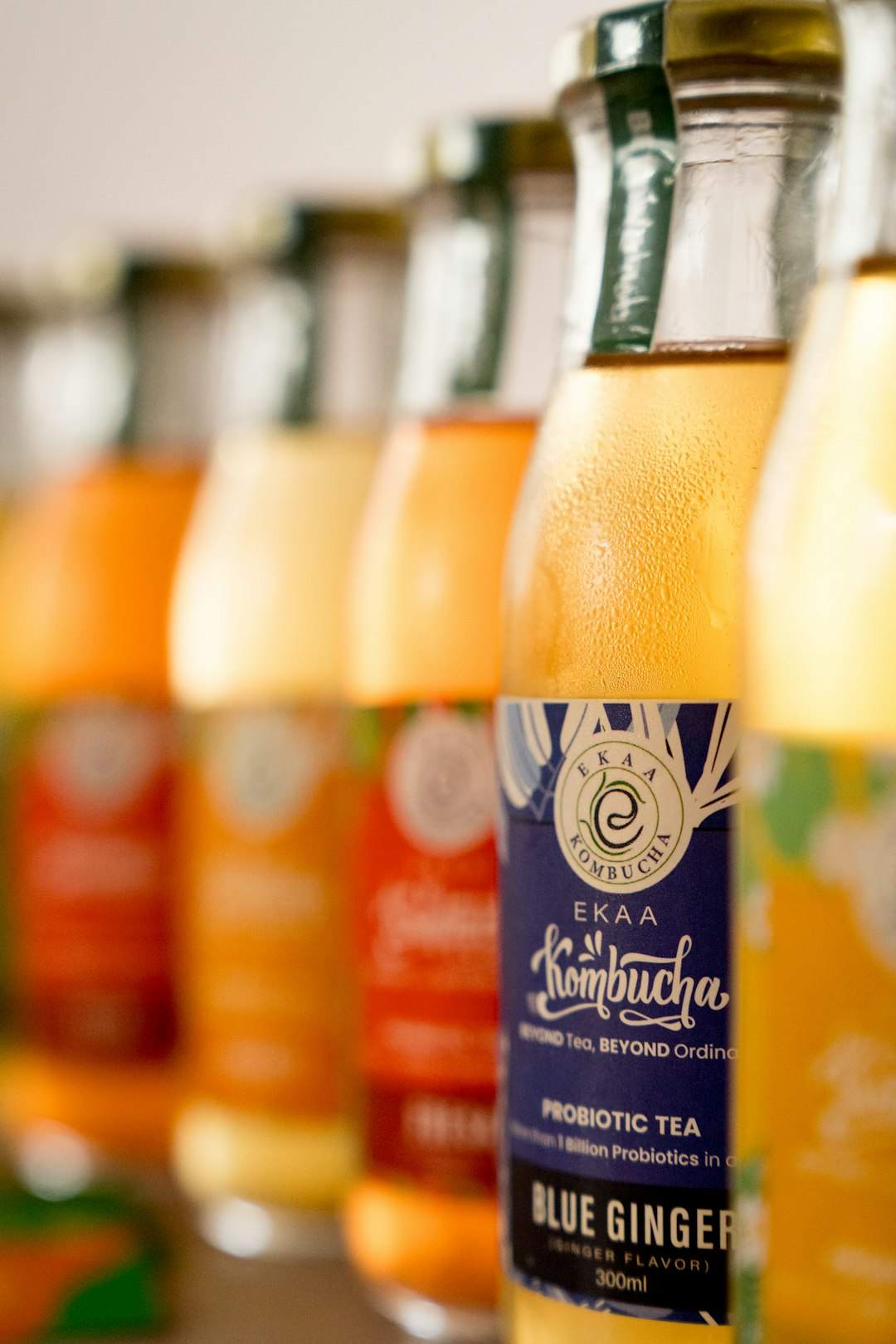
Glass is essentially impermeable to gas, so a properly sealed glass bottle won’t lose carbonation or let in oxygen over time. That’s a big deal for kombucha, since both oxidation and flat carbonation show up fast as off flavors or a dead mouthfeel. Glass does not block light the way a can does, though: clear glass transmits most visible and UV light straight through, while amber or brown glass absorbs a large share of UV and visible light without blocking it entirely. If light exposure during storage or transit is a concern, pairing amber glass with a box or sleeve, and keeping product out of direct sun, does more than color alone. On top of that, a glass bottle has to be rated for the fermentation pressure kombucha can build, so thin or lightweight glass isn’t a safe substitute for proper pressure-rated beverage bottles.
Aluminum cans block light completely, since the can itself is an opaque metal rather than a translucent material, and they resist oxygen transmission well, which protects both flavor and the live cultures kombucha is known for. Cans are lighter and stack more densely than bottles, which lowers freight costs and warehouse space per unit. The catch is the interior lining: cans need a coating between the beverage and the metal, and because kombucha is acidic, that lining and its compatibility with your specific product should be confirmed directly with your can supplier rather than assumed from a generic liner spec sheet.
PET plastic is the lightest and usually the least expensive of the three, and it won’t shatter in transit. Its downside is permeability — PET slowly lets carbon dioxide escape outward and oxygen seep inward, so a PET-packaged kombucha will typically lose fizz and freshness faster than the same product in glass or a lined can. This effect is worse in smaller bottle sizes, since a smaller container has more surface area relative to its volume. Multilayer or coated PET can narrow this gap, but it adds cost and can complicate recycling. Clear PET also offers little light protection on its own, similar to clear glass.
Matching the Material to Your Product and Brand
If you’re selling a highly carbonated, probiotic-forward kombucha meant to hold up on a retail shelf for weeks or months, glass or a properly lined aluminum can are the safer bets. If your product moves fast — direct-to-consumer, taproom pours, or short-dated local distribution — PET’s lower cost and lighter shipping weight become more attractive since the beverage won’t sit around long enough for permeation or light exposure to matter much.
Brand perception plays a real role too. Glass still reads as the premium option to a lot of shoppers, which is part of why many established kombucha brands stick with it even as cans gain ground — though brands that care most about light exposure during storage typically choose amber or other dark glass rather than clear. Cans lean toward a more casual, grab-and-go positioning and tend to resonate with buyers who prioritize recyclability and lower shipping weight. PET is generally seen as the budget option and is a tougher sell for a brand trying to position itself at the premium end of the category.
If you’re homebrewing, the material decision is simpler but higher stakes: use thick, pressure-rated glass bottles made for carbonated beverages, never repurpose thin glass from still beverages, and never bottle actively fermenting kombucha in a sealed PET bottle you don’t know is rated for carbonation — the buildup can rupture a weak container. Storing any clear or lightly tinted bottle out of direct sunlight also helps protect flavor, since color alone won’t fully block light.
Tips / Common Mistakes
Don’t assume any aluminum can liner is automatically fine for an acidic, low-pH beverage like kombucha — ask your can manufacturer whether their coating is tested and approved for your product’s pH and carbonation level before you commit to a run.
Don’t use standard PET soda bottles for a strongly carbonated, long-shelf-life kombucha and expect the fizz to hold — PET’s gas permeability makes it a better fit for lower-carbonation or fast-turnover products than for a bottle meant to sit for months.
Don’t assume glass alone protects a light-sensitive product just because it’s glass — clear glass transmits most light, and even amber glass only reduces it; store and ship glass-bottled kombucha out of direct sunlight regardless of bottle color.
Don’t reuse or repurpose glass bottles not rated for carbonation when bottling homemade kombucha; use swing-top or crown-cap bottles specifically designed for pressurized beverages, and keep fermentation time in check to avoid over-pressurizing any container.
Don’t pick a material purely on cost — factor in breakage and shipping damage for glass, lining compatibility checks for cans, and shelf-life loss for PET, since all three carry hidden costs beyond the per-unit price.
Explore more: more packaging materials guides.
Kombucha and craft beverage packaging materials FAQs
Is PET plastic safe for bottling kombucha?
Yes, food-grade PET is safe to use, but it isn’t ideal for highly carbonated kombucha meant for a long shelf life, since PET gradually loses carbonation and lets in oxygen over time. It works better for lower-carbonation or quick-turnover products.
Does kombucha’s acidity cause problems in aluminum cans?
It can be a concern if the can’s interior lining isn’t matched to the product’s acidity and carbonation. Most modern cans use BPA-free coatings, but you should confirm lining compatibility with your can supplier for an acidic, carbonated product like kombucha rather than assuming a standard liner is sufficient.
Why do many premium kombucha brands still use glass bottles?
Glass is essentially impermeable to gas, so it holds carbonation pressure reliably, and it still carries a premium image with many shoppers. For light protection, brands typically choose amber or other dark glass rather than clear, since colored glass reduces UV and visible light exposure much more than clear glass does — though no glass color blocks light completely, so cool, dark storage still helps.
Find the Right Packaging Supplier
Search the free Packaura supplier directory — filter by material, certification, and location to find vetted suppliers. Search the Supplier Directory.
Want packaging news in your inbox? Subscribe to the free newsletter.
Photo by Frederick Shaw on Unsplash.