
If you manufacture, bottle, or private-label e-liquid in the United States, child-resistant packaging isn’t optional — it’s federal law, and a handful of states layer on their own requirements. Getting the packaging wrong can mean product seizures, fines, or a recall, even if the liquid inside is perfectly fine.
This guide breaks down what the law actually requires, which materials and closures satisfy it, and the most common mistakes small and mid-size e-liquid brands make when sourcing bottles and caps.
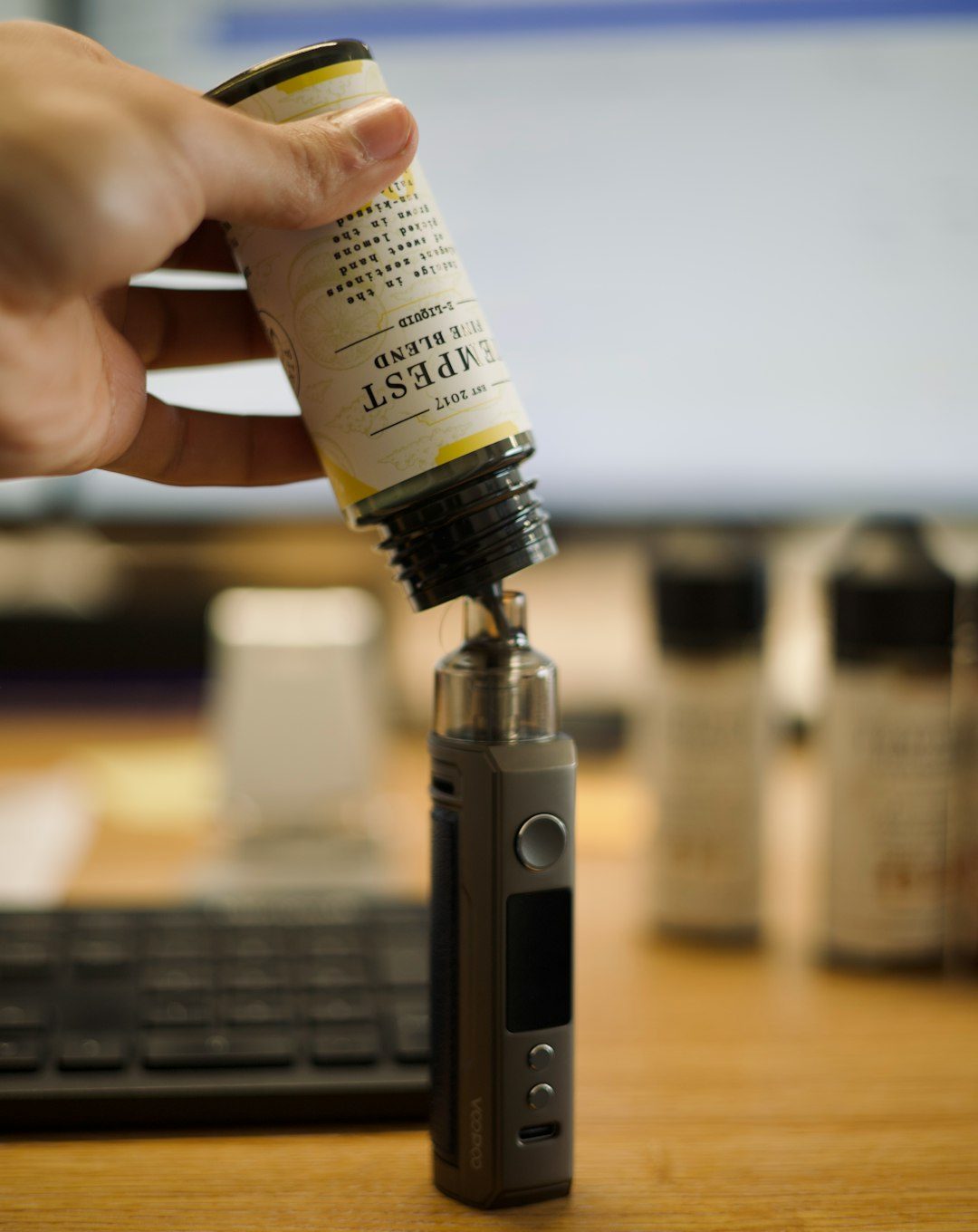
Quick Answer
Under the Child Nicotine Poisoning Prevention Act (CNPPA), any accessible liquid nicotine container sold in the U.S. must use “special packaging” meeting the Consumer Product Safety Commission’s (CPSC) child-resistant standard at 16 CFR 1700.15, tested under 16 CFR 1700.20. In practice, that means a certified child-resistant closure plus a flow restrictor (often a dropper tip or orifice reducer) on any bottle where a child could access the liquid directly.
What the Law Actually Requires
The CNPPA was signed into law in January 2016 and is enforced by the CPSC. It requires that nicotine sold in a “liquid nicotine container” — refill bottles, e-liquid bottles, and similar accessible containers — be packaged according to the special-packaging standard in the Poison Prevention Packaging Act (PPPA). The performance standard itself (how hard it must be for a child to open, and how easy for an adult) lives in 16 CFR 1700.15, with the lab testing protocol in 16 CFR 1700.20.
There’s an important exemption: sealed, pre-filled, disposable cartridges or pods designed for use in a specific device — where the liquid isn’t actually accessible to a child without damaging the device — are generally exempt from CNPPA packaging requirements. Open-system e-liquid bottles, refill bottles, and dropper bottles almost always need CR packaging because the liquid is directly reachable once the cap is off.
CPSC guidance has also made clear that a child-resistant cap alone isn’t considered sufficient on its own — liquid nicotine containers are expected to include a flow restrictor that limits how much liquid can be dispensed or spilled even after the container is opened, so a child who does get it open can’t easily get a large dose at once.
On top of the federal rule, several states (including New York, Massachusetts, North Carolina, Minnesota, and Texas, among others) have their own child-resistant packaging statutes for vapor or e-liquid products. These can include labeling or documentation requirements beyond the federal standard, so if you sell into multiple states, check each state’s vapor/tobacco packaging statute, not just the federal rule.
Materials and Closures That Meet the Standard
Bottle material: Most compliant e-liquid packaging uses HDPE or LDPE plastic bottles (common for 15–120 mL unicorn/dropper bottles) or glass bottles for premium or short-fill lines. The material itself doesn’t make something child-resistant — the closure and flow restrictor do — but bottle wall thickness and neck finish need to match the CR cap you’re pairing it with, since CR performance is tested as a complete bottle-and-cap system, not a cap alone.
Child-resistant caps: These typically use a push-and-turn, squeeze-and-turn, or snap-lock mechanism. The cap must be certified to 16 CFR 1700.15/1700.20 as a system with the specific bottle it ships on — a CR cap tested on one bottle neck size and wall thickness isn’t automatically compliant on a different bottle, so don’t mix and match components from different suppliers without re-testing or getting supplier certification for your exact combination.
Flow restrictors: Usually a small plastic insert (an orifice reducer) pressed into the bottle neck that limits the liquid to a slow drip even with the cap off. Dropper-tip bottles often double as their own flow restriction. If your packaging doesn’t include one, add it — this is one of the most common compliance gaps CPSC has flagged.
Tamper-evidence and labeling: Not strictly part of the CR requirement, but a tamper-evident band or shrink seal is standard practice. On the label itself, FDA’s deeming rule (21 CFR 1143.3) requires a specific nicotine warning statement — “WARNING: This product contains nicotine. Nicotine is an addictive chemical.” — on packaging and in advertising for nicotine-containing e-liquid. Detailed ingredient reporting is handled separately, through manufacturer filings to FDA rather than printed on the retail label, and some states add their own labeling rules (such as nicotine concentration disclosure), so check state law in addition to the federal warning requirement.

Tips / Common Mistakes
Don’t assume a supplier’s generic “child-resistant” bottle is automatically compliant for your product — ask for the actual 16 CFR 1700.20 test report for the exact bottle-and-cap combination you’re buying, not just a marketing claim.
Don’t swap cap suppliers or bottle molds without re-verifying CR performance; a cap that passed on one neck finish can fail on another.
Don’t rely on the cap alone — missing or inadequate flow restrictors are a frequent compliance gap, especially on refill and short-fill bottles.
Don’t skip state-level rules just because you’ve met the federal CNPPA standard — some states require additional certification or labeling for vapor products sold within their borders.
Keep your CR test documentation on file; it’s the first thing requested in a CPSC inquiry or retailer compliance audit.
Explore more: more packaging materials guides.
Vape and E-Liquid Packaging Compliance FAQs
Does child-resistant packaging apply to zero-nicotine e-liquid?
The CNPPA’s language is tied to liquid nicotine containers, so some zero-nicotine products fall outside the federal requirement. However, several states and most retailers still expect CR packaging across a brand’s full e-liquid line for consistency and liability reasons, so most manufacturers apply it to all SKUs regardless.
Are pre-filled vape pods and cartridges required to be child-resistant?
Sealed, pre-filled, disposable cartridges or pods designed for a specific device are generally exempt from CNPPA packaging rules because the liquid isn’t directly accessible without damaging the device. Open-system e-liquid bottles don’t get this exemption.
What’s the difference between a child-resistant cap and a flow restrictor?
A child-resistant cap controls whether a child can open the container at all. A flow restrictor controls how much liquid comes out once it’s open, limiting the dose if a child does get past the cap. CPSC guidance treats both as necessary for full compliance.
Does FDA require e-liquid labels to list ingredients and nicotine strength?
FDA’s core label requirement is the nicotine addiction warning statement under 21 CFR 1143.3, not a general ingredient or concentration disclosure. Ingredient information is reported by manufacturers to FDA separately, and nicotine-concentration labeling is more commonly driven by state law than by the federal rule.
Who enforces e-liquid packaging compliance in the U.S.?
The Consumer Product Safety Commission (CPSC) enforces the CNPPA and the underlying Poison Prevention Packaging Act standard. State attorneys general or health departments may also enforce state-specific vapor packaging laws.
Find the Right Packaging Supplier
Search the free Packaura supplier directory — filter by material, certification, and location to find vetted suppliers. Search the Supplier Directory.
Want packaging news in your inbox? Subscribe to the free newsletter.
Photo by Sierra Alpha Juliet on Unsplash.