
If you’ve ever opened a box of poly mailers only to find half of them are too small for your product and the other half are swimming in empty space, you already know sizing is where most shipping budgets quietly leak. The wrong mailer either forces you to size up to a bulkier shipping tier or risks a torn bag and a damaged-item refund.
This guide walks through how to measure your product correctly, the sizes poly mailer suppliers actually stock, and how to balance a snug fit against carrier pricing rules so you’re not overpaying on every outbound package.
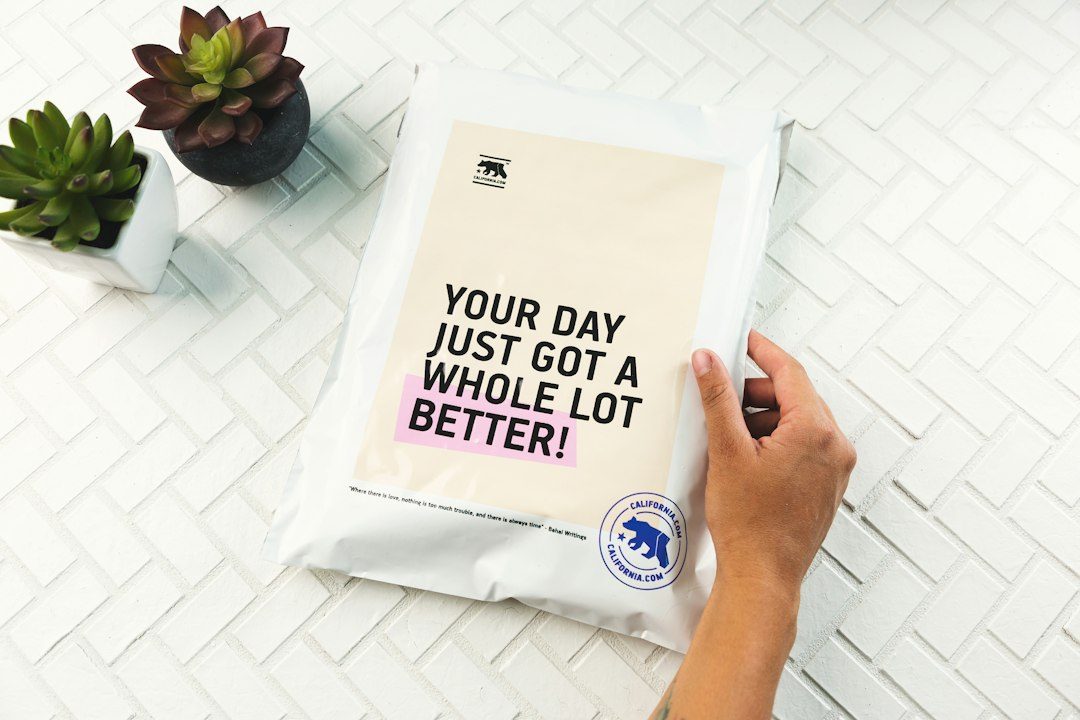
Quick Answer
Measure your product’s folded or packed dimensions, add roughly 1 to 2 inches to both the width and the length for sealing and handling room, then match that to the closest standard poly mailer size. Sizing down whenever the product still fits comfortably — rather than defaulting to a larger bag “just in case” — is the single biggest lever for cutting poly mailer shipping spend, since bag cost, package weight, and oversize risk all scale with size.
How to Measure and Choose a Size
Start with the product itself, not the mailer. Fold or flatten the item the way it will actually ship (a folded t-shirt, a stacked set of pamphlets, a boxed small item) and measure its width and length at the widest points. Poly mailer sizes are listed as width x length, measured flat with the bag empty, so compare your packed product against that flat dimension rather than against the bag’s full capacity once filled.
Add a sealing allowance. Most sellers add about 1 inch to the width and 1 to 2 inches to the length so there’s enough excess material to fold over the self-seal flap without stretching the seam. Skimping on this margin is a common cause of seal failures and in-transit tears.
Match to standard stock sizes where possible. Common poly mailer sizes run roughly from 6 x 9 inches up through 19 x 24 inches for bulkier goods, and suppliers typically stock a similar core lineup even though there’s no single industry-wide standard. A few sizes come up repeatedly in supplier catalogs: 6 x 9 and 9 x 12 for small, light items like accessories or single documents; 10 x 13 for an adult t-shirt or a pair of leggings, often cited as the single most common size ordered; 12 x 15.5 for two to three folded garments or a light hoodie; and 14.5 x 19 or larger for bedding, bulkier apparel bundles, or multi-item orders. If your product falls between two stock sizes, size down to the smaller one whenever it still fits without excessive force on the seams — custom sizing is rarely worth it unless you’re ordering at high volume.
Check the gusset or expansion, if your supplier offers one. Some poly mailers include a bottom gusset that adds depth for bulkier items without moving up to a much larger flat size, which can be a useful middle option for items that are thick but not wide.
Why Sizing Affects Your Shipping Spend
Carriers price parcels based on a combination of actual weight and package dimensions. For most lightweight poly mailer shipments, carriers bill on actual weight, so the mailer’s own weight matters: a larger bag is a heavier bag, and that difference adds up across thousands of shipments a year even when it feels negligible on a single package.
The bigger risk with oversizing is tripping a size-based pricing tier or dimensional-weight charge. Carriers set cubic-size thresholds above which they bill on dimensional weight (length x width x height, scaled by a divisor) instead of actual weight, and some services apply additional surcharges once a package crosses certain length or combined-dimension limits. A poly mailer that’s noticeably larger than it needs to be can push a shipment past one of those thresholds even though the product inside barely weighs anything — effectively charging you for shipping empty air.
Oversizing also increases damage and return risk in its own way: a product that shifts around loosely inside a too-large mailer is more likely to arrive wrinkled, twisted, or in the wrong spot relative to the label, which can trigger misdelivery or a customer complaint. A properly sized mailer holds the product snugly enough that it doesn’t migrate during transit.

Tips and Common Mistakes
Don’t standardize on one “universal” size for every SKU. It feels simpler to stock a single mailer size across a catalog, but if your products vary meaningfully in size, you’re either overpaying on small items or risking seal failure on large ones. Stocking two or three core sizes covers most catalogs without creating a warehousing headache.
Weigh a sample before committing to a bulk order. Mailer film thickness and material (standard poly vs. recycled or padded) varies by supplier, and a thicker or padded mailer in the same dimensions can weigh enough more to matter at volume.
Watch the length-plus-girth and combined-dimension limits for your specific carrier and service level, since these thresholds can change and vary by service — a mailer that was fine last year can cross a new line after a rate or rule update.
Resist the urge to leave extra room for “future products.” Ordering a size up in case your catalog changes locks in higher costs now against a maybe-future need. Reorder a different size later if your product lineup actually shifts.
Test the seal strength at your chosen size, not just the fit. A mailer that’s technically wide enough but leaves very little flap overlap after sealing is prone to popping open in transit, which creates far more cost in replacements and customer service than the size difference ever saved.
Explore more: more packaging and shipping cost guides.
Poly mailer sizing FAQs
What size poly mailer do I need for a t-shirt?
A single folded t-shirt typically fits a 9 x 12 inch mailer, while an adult-sized tee or a pair of leggings usually needs the slightly larger 10 x 13 inch size, which is also the size most commonly ordered across apparel sellers.
Is it better to size up or size down when I’m between two mailer sizes?
Size down to the smaller option whenever your product fits without straining the seams. A snugger fit uses less material, weighs less, lowers the chance of tripping a carrier’s oversize threshold, and keeps the product from shifting around in transit.
How much extra room should I add when sizing a poly mailer?
A common rule of thumb is to add about 1 inch to the width and 1 to 2 inches to the length beyond your product’s packed dimensions, which leaves enough material to fold over and seal the flap securely without overstretching the seam.
Can an oversized poly mailer actually increase my shipping cost?
Yes. Carriers price based on actual weight, but packages that cross certain size thresholds can be billed on dimensional weight or hit with oversize surcharges instead, meaning a mailer that’s bigger than it needs to be can raise your rate even though the product inside hasn’t gotten any heavier.
Find the Right Packaging Supplier
Search the free Packaura supplier directory — filter by material, certification, and location to find vetted suppliers. Search the Supplier Directory.
Want packaging news in your inbox? Subscribe to the free newsletter.
Photo by Sticker Mule on Unsplash.