
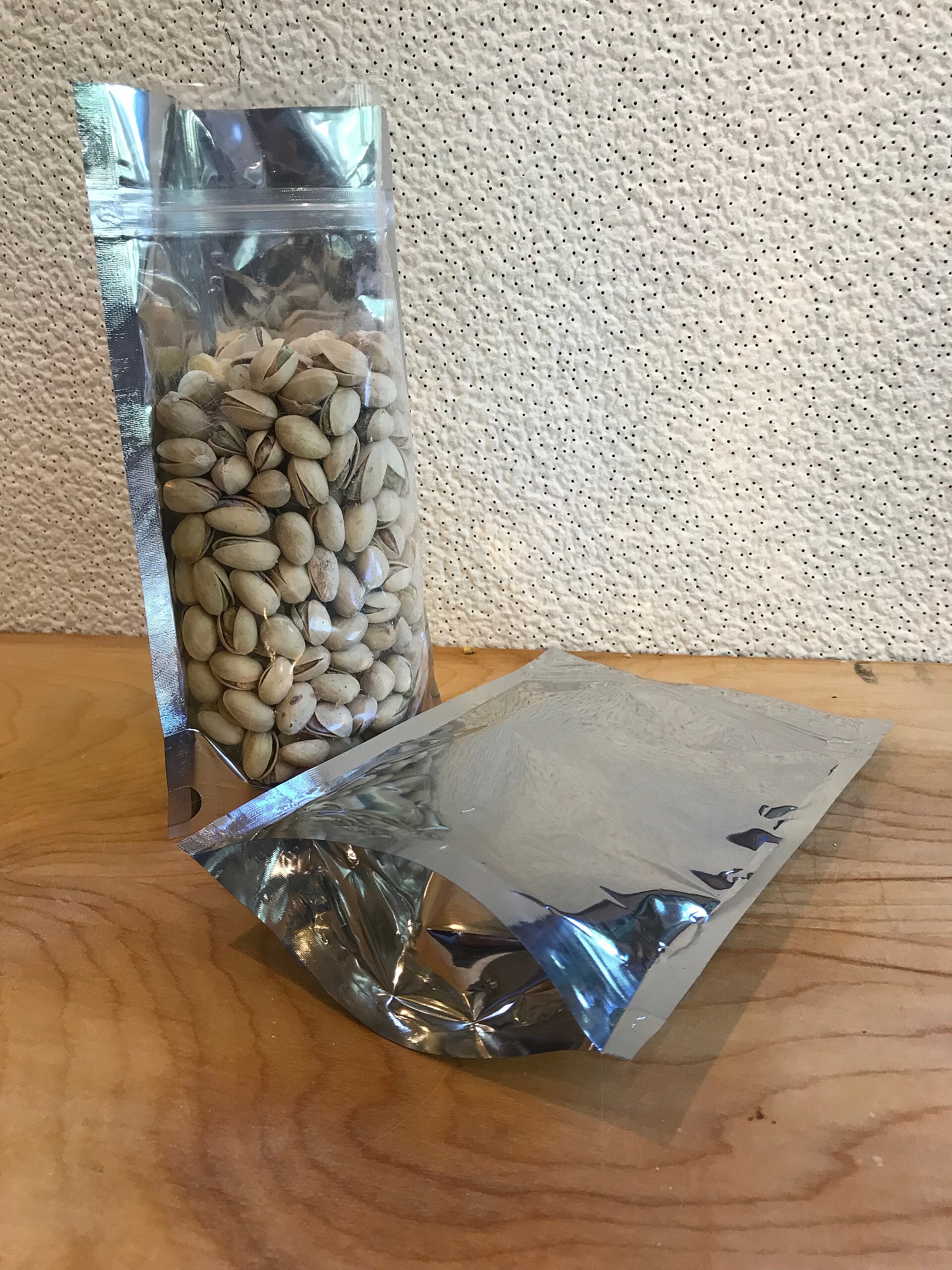
Stand-up pouches are everywhere in food, pet care, beauty, and household goods because they’re light, shelf-stable, and cheap to ship. The problem is that most traditional pouches are laminates of several different plastics (plus foil or metallization), which makes them effectively unrecyclable in curbside or store drop-off systems. A growing number of suppliers now offer mono-material versions designed to be recycled, but switching isn’t as simple as picking a new SKU from a catalog.
This guide walks through what actually makes a stand-up pouch recyclable, how the How2Recycle Store Drop-off system works, what questions to ask a packaging supplier before you commit, and the mistakes that cause brands to print a recyclability claim they can’t actually back up.
Quick Answer
A stand-up pouch is genuinely recyclable in the U.S. today only if it’s built from a single polymer family — almost always polyethylene (PE) — including its zipper, spout, and label, and if that exact finished structure has been reviewed and approved for a How2Recycle Store Drop-off label. A pouch made of mixed materials (PET/foil/PE laminates, for example) is not accepted in store drop-off bins even if the brand calls it ‘recyclable.’
What Actually Makes a Pouch Recyclable
Traditional stand-up pouches are laminates — thin layers of different materials (PET, nylon, foil, metallized film, PE) bonded together, each doing a specific job like puncture resistance, oxygen barrier, or heat-sealing. That mix is exactly what makes them hard to recycle: plastic film recyclers process polyethylene, and a laminate full of other polymers contaminates the stream.
A recyclable pouch is a mono-material structure, meaning nearly the entire pouch — film layers, zipper, spout, and any valve — is made from one polymer family, almost always polyethylene (PE, resin code #2 or #4). That’s the only flexible plastic currently compatible with the U.S. store drop-off system. Switching to mono-material PE means giving up some of the barrier performance multi-material laminates offer, so suppliers add things like a thin AlOx (aluminum oxide) coating, SiOx coating, or limited EVOH content to preserve oxygen and moisture barrier without pushing the structure outside recyclability guidelines. Each of those additions has to stay under thresholds set by design-for-recycling guidelines, which have gotten stricter over time — so ‘mono-material’ claims should be verified against the specific finished product, not just the base film.
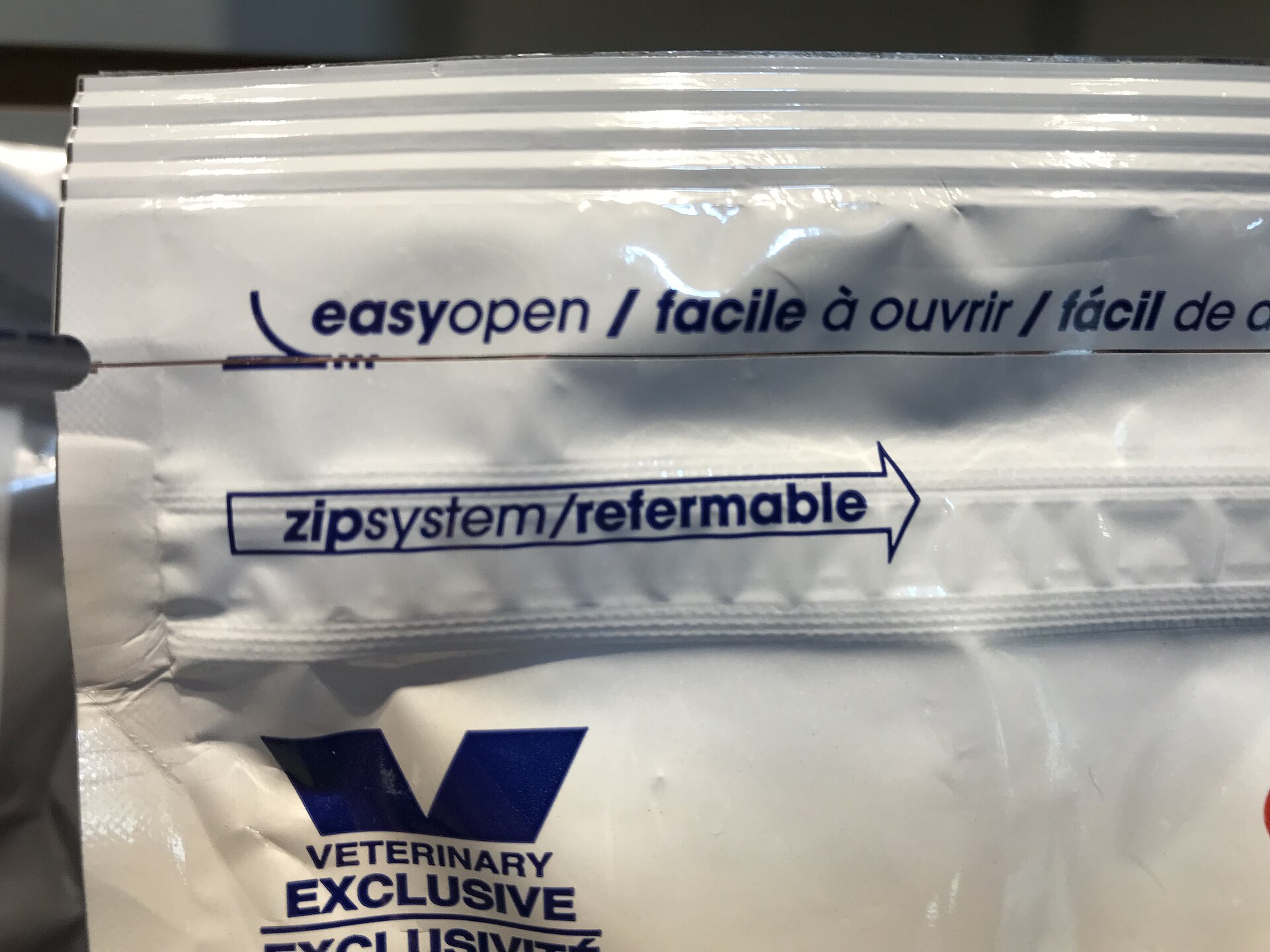
Components matter as much as the film. A PE pouch with a PET-based zipper, a non-PE label, or metal foil components is no longer mono-material and typically won’t pass recyclability review. Suppliers building true recyclable pouches source PE-compatible zippers, spouts, and labels specifically to keep the whole package in one polymer family.
How the Certification and Labeling Process Works
In the U.S., the relevant system is How2Recycle, a standardized labeling program (not a government certification) that tells consumers how to dispose of packaging. For flexible packaging, the applicable label is ‘Store Drop-off,’ meaning the pouch goes into the same bins many grocery and retail stores already use for plastic bags and film — not curbside recycling.
To use a How2Recycle Store Drop-off label legitimately, a brand needs to be a How2Recycle member and submit the complete finished pouch — film, ink coverage, adhesive, zipper, spout, and label included — for a recyclability review specific to that configuration. Approval is tied to that exact pouch design; changing the ink coverage, swapping a component, or adding a barrier coating later can require re-review. Brands that skip this step and print a drop-off symbol anyway risk a ‘greenwashing’ claim, since labels on film need to meet Association of Plastics Recyclers (APR) design guidance to avoid contaminating the recycling stream themselves.
If you’re not ready for full How2Recycle membership, a generic on-package message pointing to store drop-off (with the #2 or #4 resin code) is an option, but it carries the same obligation: the pouch has to actually qualify as PE-compatible film, not just carry a hopeful label.
Tips / Common Mistakes Before You Switch
Verify the exact SKU, not the product line. Suppliers often have both laminate and mono-material versions of a similar-looking pouch — confirm which one you’re actually buying and ask for the recyclability documentation for that specific structure, not a general sell sheet.
Check barrier needs honestly. If your product needs strong oxygen or moisture barrier (coffee, supplements, pet food with high fat content), ask the supplier what barrier technology they’re using in the mono-material version and what shelf life it delivers compared to your current pouch — don’t assume it’s a drop-in swap.
Don’t forget the small parts. Zippers, spouts, valves, and labels are common places where a ‘recyclable’ pouch quietly stops being mono-material. Ask explicitly whether every component is PE-compatible.
Budget for testing and lead time. Moving to a new film structure usually means new sealing parameters on your packaging line and a validation run before full production — build that into your switch timeline rather than treating it as a same-day material swap.
Match your claim to your market. A Store Drop-off label only works where retailers actually offer that drop-off infrastructure, which varies by region — pair the label with a quick on-pack note or QR code pointing to How2Recycle’s locator so customers can actually find a bin.
Avoid vague claims. Terms like ‘eco-friendly’ or ‘sustainable packaging’ without a specific, verifiable recyclability pathway are a greenwashing risk. If you can’t back a claim with the How2Recycle review or equivalent documentation, describe the material honestly (e.g., ‘PE-based, check locally for store drop-off’) instead.
Explore more: more sustainable packaging guides.
Recyclable stand-up pouches FAQs
Can my current stand-up pouch be recycled curbside?
Almost never. Flexible plastic pouches, even mono-material PE ones, are not accepted in standard curbside recycling bins in the U.S. They need to go through store drop-off programs that collect plastic film separately.
Is ‘recyclable’ the same as ‘compostable’ for pouches?
No. Compostable pouches use different materials (often plant-based films) and require industrial composting facilities, which are far less available than store drop-off recycling. The two claims aren’t interchangeable and shouldn’t be mixed on one package.
Does switching to a recyclable pouch cost more?
It varies by barrier requirements and order volume — mono-material structures with added barrier coatings can cost more than a comparable laminate, though the gap has been narrowing as more converters offer PE-based options at scale. Get quotes for your specific spec rather than assuming a flat premium.
What resin code goes on a recyclable PE pouch?
Typically #2 (HDPE) or #4 (LDPE), paired with the How2Recycle Store Drop-off label if you’re a member, or a generic store drop-off message with the resin code if you’re not.
Find the Right Packaging Supplier
Search the free Packaura supplier directory — filter by material, certification, and location to find vetted suppliers. Search the Supplier Directory.
Want packaging news in your inbox? Subscribe to the free newsletter.
Photo: Pkgx / CC BY-SA 4.0, via Wikimedia Commons.