
Choosing packaging for a supplement line is never just a design decision. The container has to protect the product, survive shipping, meet FDA and CPSC rules, and still look right on a shelf or in an unboxing video. Brands that treat packaging as an afterthought often find out the hard way, after a batch is already filled, that their bottle or blister needs a different closure or a compliance test they never ran.
This guide walks through the real tradeoffs between bottles and blister packs, what current good manufacturing practice (cGMP) and child-resistant packaging rules actually require, and how to vet a packaging supplier or co-packer before you commit to a production run.
Quick Answer
Bottles (HDPE or PET, typically with an induction seal and a closure) are the default for capsule, tablet, gummy, and powder supplements because they’re cheaper per unit, flexible on count, and easy to source. Blister packs cost more per dose but offer better individual-dose protection, moisture and oxygen barrier, and clearer dosage tracking, which is why they show up more often in premium, travel, or clinical-style supplement lines. Either format must meet FDA 21 CFR Part 111 cGMP packaging controls, and iron-containing supplements are the category most likely to trigger CPSC child-resistant packaging under 16 CFR 1700.14 — but only when a package’s elemental iron content and concentration both cross specific regulatory thresholds, not based on iron content alone.
Bottles vs. Blister Packs: How to Choose
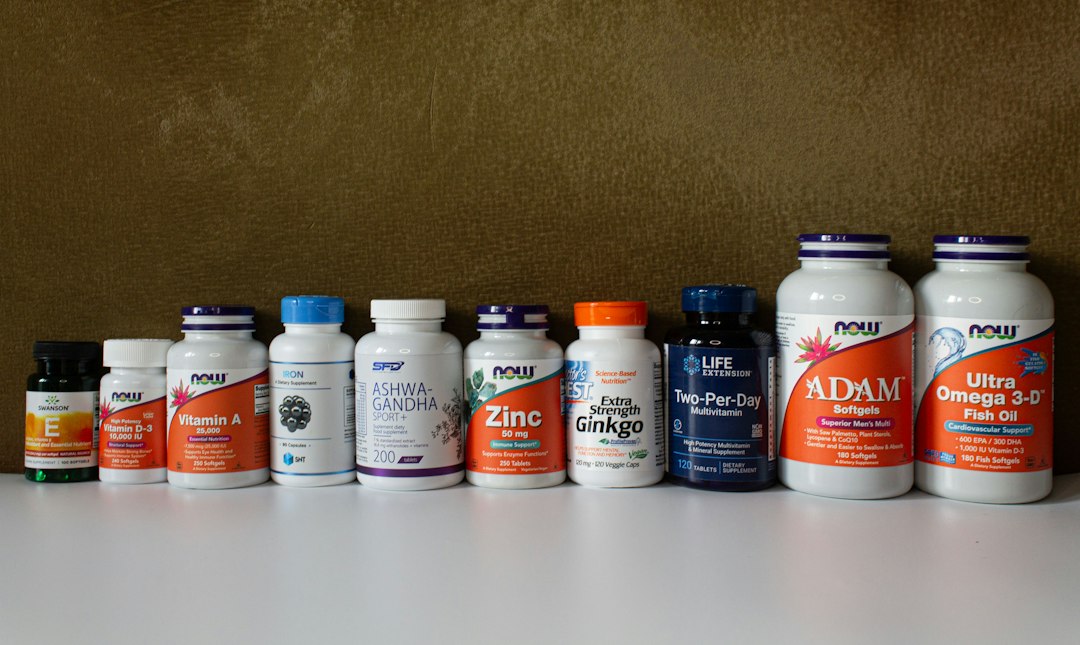
Bottles remain the most common format for supplements sold in larger counts (30, 60, 90 servings) because bottle-filling lines are widely available, bottles accommodate capsules, tablets, softgels, powders, and gummies alike, and unit costs stay low even at moderate volumes. A typical bottle setup includes an HDPE or PET container, a child-resistant or standard cap, an induction heat-seal liner for freshness and tamper evidence, and sometimes a desiccant or cotton coil to manage moisture. The tradeoff is that pills can rattle and chip in transit, and a bottle doesn’t help a consumer track daily doses the way a labeled blister card does.
Blister packs (typically PVC, PVDC, or aluminum cavities sealed against a foil or film backing) give each dose its own hermetically sealed pocket, which limits oxygen and moisture exposure and protects fragile or coated tablets from crushing. They also make compliance easier to see at a glance, which matters for supplements marketed around daily-dose adherence, such as multi-ingredient regimens or subscription ‘packs.’ The downside is cost: blister tooling and film run higher per unit than bottle components, and blister lines are less universally available among contract packagers, so lead times can run longer if you’re sourcing a custom cavity shape or a child-resistant push-through-resistant design.
A practical rule of thumb: default to bottles unless you have a specific reason to blister, such as an ingredient sensitive to oxygen or humidity, a premium positioning that benefits from individual-dose presentation, or a formulation (like iron or certain minerals) where child-resistant unit-dose packaging is the easiest way to satisfy CPSC requirements.
Compliance: What FDA and CPSC Actually Require
Any US supplement brand’s manufacturing, packaging, labeling, and holding operations fall under FDA’s dietary supplement cGMP rule, 21 CFR Part 111. This doesn’t dictate bottle vs. blister, but it does require documented controls: packaging materials must be inspected and matched against the master manufacturing record, labels must be verified against the product inside (a common audit failure point), and packaging operations need to prevent mix-ups and contamination. If you use a contract manufacturer or co-packer, confirm in writing that their facility operates under 21 CFR 111 and ask about their most recent FDA inspection status.
Child-resistant packaging is a separate requirement enforced by the Consumer Product Safety Commission under the Poison Prevention Packaging Act (PPPA). The general performance standard requires that at least 85% of tested young children fail to open the package within 5 minutes, while at least 80% still can’t open it within 10 minutes, and the package must remain usable by most adults. For supplement brands, the trigger most likely to apply is iron: under 16 CFR 1700.14’s dietary-supplement provision, CR packaging is required when a single package contains the equivalent of 250 mg or more of elemental iron AND the concentration reaches at least 0.05% weight-to-weight for nonliquid preparations (or 0.025% weight-to-volume for liquids). Both the total-amount and concentration thresholds have to be met together — hitting 250 mg alone does not automatically trigger the requirement if the concentration falls below those levels. The rule also carves out exemptions for preparations where iron is present solely as a colorant, and for powdered preparations with no more than 0.12% weight-to-weight elemental iron. Because the math depends on formulation and fill weight, run your specific product past the regulation (or a regulatory consultant) rather than assuming a round number applies.
Tamper-evident packaging (like an induction seal under the cap) is legally required for over-the-counter drugs but not for dietary supplements. Most reputable supplement brands use an induction seal anyway, since retailers (and marketplaces like Amazon) increasingly expect it, and it protects against returns fraud and consumer trust issues even where it isn’t mandatory.

Tips / Common Mistakes
Lock in your child-resistant requirement before you tool packaging, not after. Switching a cap or blister design mid-run because a formulation change pushed an iron-containing product over the CR threshold is expensive and slows launch.
Get physical samples, not just a spec sheet, from any bottle, cap, or blister supplier and run your own drop test and closure torque check before committing to a production quantity.
Match the desiccant or barrier packaging to the ingredient, not the format. Probiotics, fish oil, and certain botanicals are moisture- or oxygen-sensitive regardless of whether they’re bottled or blistered, and the wrong choice shows up as reduced potency before the expiration date.
Verify label-to-product matching procedures with any co-packer in writing. Mislabeled or wrong-fill incidents are among the most common reasons for FDA warning letters and voluntary recalls in the supplement space.
Ask packaging suppliers for capacity and lead times on child-resistant components specifically. CR closures and blister tooling often have longer lead times than standard components, especially around peak ordering seasons.
Explore more: More packaging compliance guides.
Supplement packaging sourcing FAQs
Do all supplement bottles need to be child-resistant?
No. Federal child-resistant packaging rules under 16 CFR 1700.14 apply to specific substances and concentrations. For iron-containing supplements, CR packaging is triggered only when a package has 250 mg or more of elemental iron AND meets a minimum concentration threshold (0.05% w/w for nonliquids, 0.025% w/v for liquids) — reaching 250 mg of iron alone doesn’t trigger the rule if the concentration is below that line. There are also exemptions for iron used solely as a colorant and for powdered preparations with no more than 0.12% w/w elemental iron. Most vitamin and general supplement products aren’t required to use CR closures, though some brands choose to anyway for safety or retailer requirements.
Is tamper-evident packaging required for supplements?
It’s legally required for over-the-counter drugs but not for dietary supplements. Many supplement brands use induction seals voluntarily because retailers expect it and it supports consumer trust.
What packaging rule applies to co-packers and contract manufacturers?
Anyone who manufactures, packages, labels, or holds dietary supplements in the US must follow the cGMP requirements in 21 CFR Part 111, including controls to make sure packaging and labeling match the product’s master manufacturing record.
Are blister packs more expensive than bottles?
Generally yes, on a per-unit basis, because blister tooling, film, and sealing add cost that bottle-and-cap lines don’t have. Blister packs are usually chosen for oxygen/moisture-sensitive ingredients, dose-tracking benefits, or premium positioning rather than for cost savings.
Find the Right Packaging Supplier
Search the free Packaura supplier directory — filter by material, certification, and location to find vetted suppliers. Search the Supplier Directory.
Want packaging news in your inbox? Subscribe to the free newsletter.
Photo by Andrey Khoviakov on Unsplash.