
Smart packaging technology has matured beyond novelty QR codes into a strategic platform for traceability, consumer engagement, and supply chain visibility. NFC chips, augmented reality triggers, dynamic QR codes, and IoT sensors now ship at scale across pharmaceutical, beverage, and luxury categories. This guide breaks down the technologies, integration patterns, and measurable ROI driving smart packaging adoption in 2026.
Dynamic QR Codes vs. Static QR Codes
Static QR codes encode a fixed URL printed on packaging. Dynamic QR codes route through a managed redirect service, allowing brands to update destinations, track scans, and segment by location, time, and device without reprinting packaging. Smart packaging technology built on dynamic QR codes provides the foundational analytics layer for any consumer engagement program.
Major brands like PepsiCo, Coca-Cola, and Unilever have deployed dynamic QR codes across millions of SKUs. The GS1 Digital Link standard provides a unified URL syntax that combines product identification (GTIN), batch information, and consumer-facing content in a single QR code. GS1 Digital Link documentation outlines the technical specification and adoption pathway.
NFC and RFID for Contactless Engagement
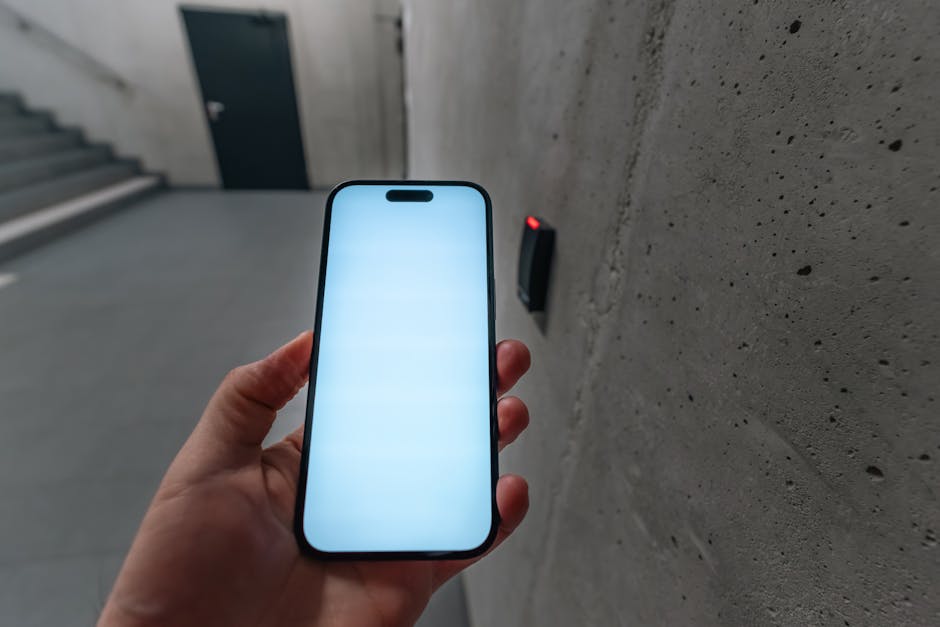
Near Field Communication (NFC) tags embedded in packaging let consumers tap their smartphones to access content, authenticate products, or unlock loyalty rewards. NFC chips cost $0.05-$0.20 per unit at scale, making them economically viable for premium spirits, cosmetics, and pharmaceutical packaging. Diageo’s Johnnie Walker, LVMH brands, and Pernod Ricard use NFC for authentication and provenance.
RFID at scale is more common in supply chain applications — Walmart’s RFID mandate covers home goods and apparel, with electronics and grocery categories following. For brands building omnichannel inventory visibility, our packaging supply chain management guide explains how RFID integrates with WMS and ERP systems.
Anti-Counterfeit and Brand Protection
Counterfeit goods cost the global economy over $500 billion annually, hitting pharmaceuticals, cosmetics, electronics, and luxury goods hardest. Smart packaging technologies for anti-counterfeit include holographic foils, chemical taggants, blockchain-anchored serialization, and combination NFC/QR systems that link to authenticated brand databases.

The DSCSA (Drug Supply Chain Security Act) in the U.S. and the EU Falsified Medicines Directive both mandate serialization and traceability for prescription drugs, driving widespread adoption of 2D data matrix codes and aggregation systems. FDA DSCSA guidance details requirements for pharmaceutical traceability.
IoT Sensors for Cold Chain and Freshness
Temperature, humidity, and shock sensors integrated into packaging enable real-time monitoring of high-value shipments. Time-temperature indicators (TTIs) from companies like Vitsab and Insignia provide visual cues when products have been exposed to temperature excursions. Active IoT loggers from Sensitech and ELPRO transmit data via cellular or LoRaWAN throughout transit.
For food categories, smart freshness indicators that change color in response to spoilage gases (CO₂, hydrogen sulfide) are emerging in Japanese and European markets. These reduce food waste by giving consumers and retailers more accurate spoilage information than printed best-by dates alone.
Consumer Engagement and First-Party Data
Smart packaging unlocks first-party consumer data collection — a strategic asset as third-party cookies fade. Each scan or tap can capture geolocation, device type, time of engagement, and (with opt-in) consumer profile data. Brands like Heineken, L’Oréal, and Mondelez have built scan-to-loyalty programs that drive repeat purchase rates 15-25% higher than non-engaged consumers.
For ecommerce-focused brands, smart packaging integrates with broader digital experience strategy. Pair these technologies with the consumer touchpoints outlined in our ecommerce packaging strategies guide to create cohesive omnichannel engagement.
Frequently Asked Questions
What is the difference between static and dynamic QR codes?
Static QR codes encode a fixed URL; dynamic QR codes route through a managed service that allows URL updates, scan tracking, and personalization without reprinting packaging.
How much do NFC tags cost per package?
NFC tags cost $0.05-$0.20 per unit at scale, making them economically viable for premium spirits, cosmetics, pharmaceutical, and luxury packaging applications.
Is the GS1 Digital Link standard widely adopted?
GS1 Digital Link is rapidly gaining adoption across CPG, with major brands including PepsiCo, Coca-Cola, and Unilever deploying it across millions of SKUs through 2026.
Do smart packaging technologies affect recyclability?
NFC tags and small electronic components can complicate recycling. Best practice is to design for separation or use paper-based RFID alternatives where possible.
What ROI can brands expect from smart packaging?
Brands report 15-25% higher repeat purchase rates from engaged consumers, plus measurable reductions in counterfeit losses and supply chain visibility gains.
1 thought on “8 Proven Smart Packaging Technologies Driving Brand Engagement”