
Sustainable packaging materials are reshaping how brands design, source, and deliver products to consumers worldwide. As environmental regulations tighten and consumer demand for eco-friendly solutions accelerates, the packaging industry is embracing a new generation of materials that reduce waste, lower carbon footprints, and support circular economy goals. At Packaura, we connect brands with suppliers who specialize in sustainable packaging materials across every category.
Why Sustainable Packaging Materials Matter More Than Ever
The global packaging market generates over 140 million tonnes of waste annually, with a significant portion ending up in landfills or oceans. Governments worldwide are responding with stricter regulations — the EU’s Packaging and Packaging Waste Regulation (PPWR) and similar legislation in North America are pushing brands to adopt sustainable packaging materials or face penalties. According to the World Economic Forum, more than 60% of consumers now actively prefer brands that demonstrate environmental responsibility through their packaging choices.
Beyond compliance, sustainable packaging materials offer real business benefits: reduced material costs through lightweighting, improved brand perception, and access to environmentally conscious market segments willing to pay premium prices.
8 Sustainable Packaging Materials Leading the Way
1. Recycled Paperboard and Cardboard
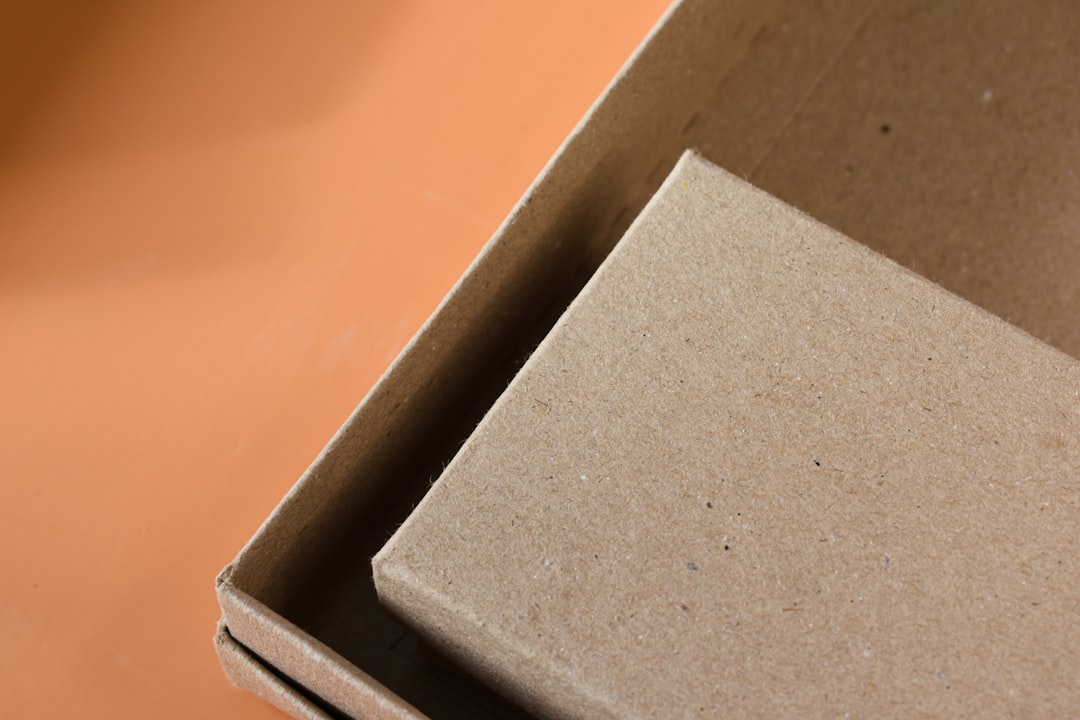
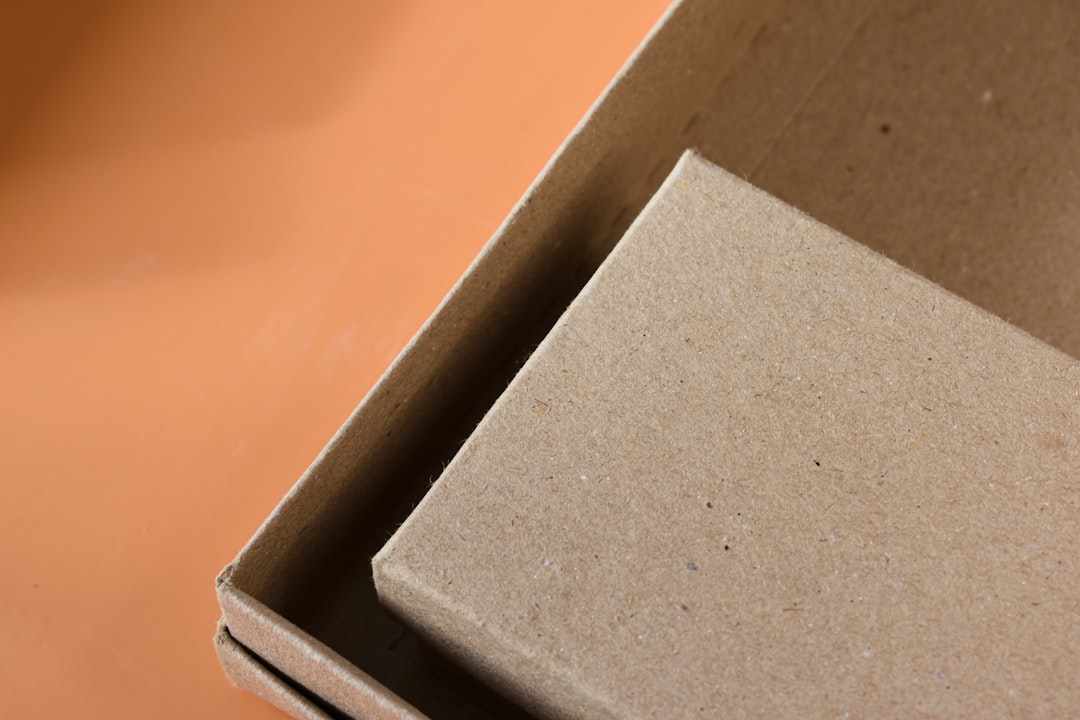
Recycled paperboard remains one of the most widely used sustainable packaging materials. Made from post-consumer waste paper, it reduces the need for virgin wood pulp and requires significantly less energy to produce. Modern recycled paperboard is strong enough for cartons and boxes across food, cosmetics, and consumer electronics packaging.
2. Molded Fiber and Pulp
Molded fiber packaging — made from recycled paper, sugarcane bagasse, or wheat straw — is rapidly replacing expanded polystyrene (EPS) foam for protective packaging. Companies like Apple have adopted molded fiber trays for their products, proving that sustainable packaging materials can meet premium brand standards without sacrificing protection.
3. Plant-Based Bioplastics
Bioplastics derived from corn starch, sugarcane, or cellulose offer a renewable alternative to petroleum-based plastics. PLA (polylactic acid) is the most common, used for packaging jars, containers, and films. While not infinitely recyclable, bioplastics can be industrially composted and significantly reduce fossil fuel dependency.
4. Recycled PET (rPET)
Recycled PET transforms post-consumer plastic bottles into new packaging containers. rPET requires 75% less energy than virgin PET production and diverts waste from landfills. Major beverage and food brands now use rPET for bottles, clamshells, and thermoformed trays, making it one of the most commercially viable sustainable packaging materials available today.
5. Mushroom Packaging (Mycelium)
Mycelium-based packaging uses agricultural waste bound by mushroom root structures to create protective cushioning and inserts. It is fully compostable, requires minimal energy to produce, and can be grown into custom shapes. This innovative material is gaining traction for electronics and fragile goods packaging.
6. Seaweed and Algae-Based Films
Seaweed-derived films and coatings are emerging as plastic alternatives for single-use sachets, food wraps, and pouches and bags. Companies like Notpla have developed seaweed packaging that dissolves in water or composts naturally within weeks. While still in early commercial stages, seaweed-based materials represent a promising frontier for sustainable packaging materials.
7. Bamboo Packaging
Bamboo grows rapidly without pesticides and regenerates from its root system, making it one of the most renewable raw materials on earth. Bamboo fiber is used for rigid boxes, tubes, and cosmetic packaging containers. Its natural aesthetic appeals to premium and eco-conscious brands seeking custom packaging solutions.
8. Glass (Infinitely Recyclable)
Glass remains a cornerstone of sustainable packaging because it can be recycled endlessly without quality degradation. The energy savings from using recycled glass (cullet) are substantial — up to 30% less energy compared to manufacturing from raw materials. For food and beverage brands prioritizing both sustainability and product preservation, glass is unmatched.
How to Choose the Right Sustainable Packaging Material
Selecting sustainable packaging materials requires balancing environmental impact with practical performance requirements. Consider these factors:
- Product compatibility — food-contact materials must meet safety and compliance standards
- Supply chain logistics — lighter materials reduce shipping emissions
- End-of-life pathway — recyclable, compostable, or reusable?
- Cost at scale — some materials have higher upfront costs but lower total lifecycle costs
- Brand positioning — premium materials like bamboo or glass signal quality
The Ellen MacArthur Foundation’s New Plastics Economy framework provides useful guidance for evaluating materials against circular economy principles.
The Future of Sustainable Packaging Materials
The sustainable packaging materials market is projected to exceed $450 billion by 2028, driven by regulatory pressure, consumer demand, and supply chain innovation. Brands that invest now in understanding and adopting these materials will be better positioned to meet upcoming regulations, attract environmentally conscious customers, and reduce long-term costs.
At Packaura, our marketplace connects you with verified suppliers offering every type of sustainable packaging material — from recycled paperboard to cutting-edge bioplastics. Start exploring sustainable options that fit your product, budget, and brand values today.
Frequently Asked Questions
What is the most sustainable packaging material available today?
Recycled paperboard and glass are among the most sustainable packaging materials because they are widely recyclable and can be reprocessed multiple times without significant quality loss. Glass is infinitely recyclable, while recycled paperboard reduces virgin wood pulp demand by up to 70%. The best choice depends on your specific product requirements and supply chain.
Are bioplastics truly better for the environment than traditional plastics?
Bioplastics like PLA reduce fossil fuel dependency and can be industrially composted, but they are not a universal solution. They require specific composting conditions that are not available everywhere, and they can contaminate traditional recycling streams if mixed with conventional plastics. The environmental benefit depends heavily on local waste management infrastructure.
How can small businesses afford sustainable packaging materials?
Many sustainable packaging materials like recycled paperboard and rPET are now cost-competitive with conventional options at moderate volumes. Start by switching one product line to test consumer response. Work with suppliers on Packaura’s marketplace who offer low minimum order quantities for sustainable options, and consider the marketing value of sustainability as part of your return on investment.
2 thoughts on “8 Proven Sustainable Packaging Materials That Are Changing the Industry in 2026”