
Sustainable packaging sounds like something only well-funded brands can afford — custom molds, certified boards, glossy compostable mailers. But most of the actual cost in “eco” packaging comes from custom printing and low-volume premiums, not the sustainable materials themselves. Once you separate those two things, a small operation can source packaging that’s genuinely better for the planet without blowing the budget.
This guide walks through how to prioritize what actually matters, which materials and suppliers work at small order volumes, and the mistakes that quietly inflate packaging spend for new businesses.
Quick Answer
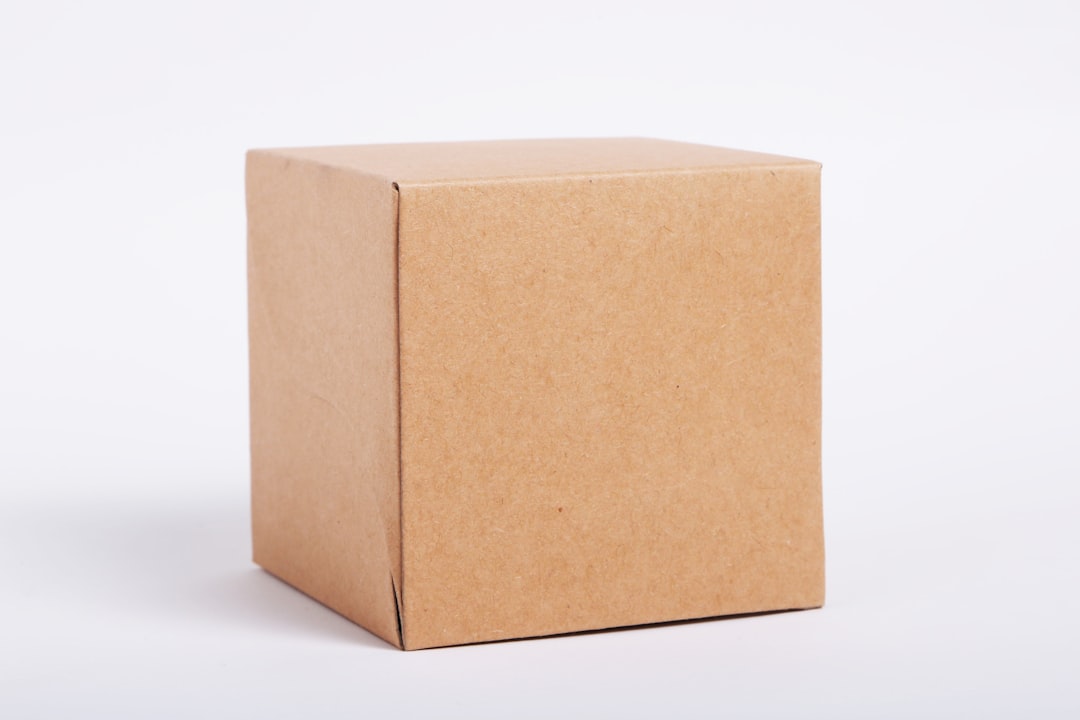
Start with unbranded or lightly-branded recycled and recyclable materials (recycled cardboard, kraft paper mailers, molded pulp) bought from suppliers with low or no minimum order quantities, such as noissue, EcoEnclose, or Packlane. Skip custom full-color printing and heavy certifications until your order volume grows — they add cost without changing the environmental impact much at small scale.
Step 1: Figure Out What You’re Actually Trying to Fix
“Sustainable packaging” isn’t one decision — it’s several: the box or mailer itself, the void fill/cushioning, the tape, and any printed inserts or labels. Most small businesses get the biggest win from swapping just two things: the outer shipping material (box or mailer) and the void fill, since those make up the bulk of packaging volume and waste per order.
Before buying anything, check what you’re currently using and whether it’s recyclable or compostable as-is. Plain corrugated cardboard and unbleached kraft paper are already widely recyclable — you may not need to replace them at all, just make sure you’re not pairing them with non-recyclable tape, plastic air pillows, or glossy laminated finishes that contaminate the recycling stream.
Set one clear priority (e.g., “no single-use plastic in the box”) rather than trying to solve everything at once. A narrow, honest goal is cheaper to hit and easier to explain to customers than a vague sustainability pledge.
Step 2: Choose Materials That Are Cheap Because They’re Sustainable, Not Despite It
Some eco materials cost about the same as, or less than, their conventional equivalents because they’re made from reclaimed or low-processing inputs — recycled cardboard, kraft paper mailers, and molded pulp inserts fall in this category. These should be your default, not your upgrade.
Other materials — plant-based bioplastics like PLA, certain compostable mailers, and specialty fiber blends — usually cost more than standard plastic, especially at low volumes, because they rely on newer supply chains. Save these for products where the packaging is part of the unboxing experience customers actually see and value, rather than using them everywhere.
Poly mailers made from recycled or post-consumer plastic are a reasonable middle ground: they’re inexpensive, lightweight (which also cuts shipping cost), and increasingly available in recyclable formats — just check that your local recycling stream actually accepts them (most require drop-off at store film-recycling bins, not curbside).
Step 3: Find Suppliers That Don’t Require Bulk Orders
Traditional packaging manufacturers often require minimum orders in the thousands of units, which locks out small businesses. A newer wave of suppliers built specifically for startups and small brands offers much lower thresholds — some starting in the low hundreds of units, and a few going as low as a few dozen or even single boxes for stock (non-custom) items.
Suppliers worth researching for low-minimum, sustainability-focused orders include noissue (compostable mailers, tissue, stickers, low MOQs and free worldwide shipping), EcoEnclose (recycled-content boxes and mailers, many stock items with no minimum, published lifecycle data per material), and Packlane (custom printed boxes with no minimum order and FSC-certified or recycled cardboard options). Compare a few, since pricing and available materials shift often — get current quotes rather than relying on last year’s numbers.
Also check whether your existing box or paper supplier already offers a recycled or FSC-certified line — switching within the same vendor is often the cheapest path since you avoid new setup fees or design work.
Step 4: Skip the Certifications You Don’t Need Yet
FSC (Forest Stewardship Council) certification confirms that paper or wood packaging comes from responsibly managed forests, tracked through the whole supply chain. Importantly, you don’t need your own FSC certification to buy and use FSC-labeled materials — that’s your supplier’s job. If your supplier holds a Chain of Custody certificate, you can source FSC-certified board without extra cost or paperwork on your end.
Where certification costs actually show up is if you want to put your own FSC label on finished goods, which requires your business to be certified too. For most small businesses, buying FSC-certified materials from an already-certified supplier gets you the environmental benefit and the ability to say “FSC-certified materials” honestly, without the certification overhead.
Tips and Common Mistakes
Don’t order custom-printed boxes before you know your packaging is sized and sturdy enough — test with plain stock boxes first, then add branding once the format is proven. Printing runs are usually the most expensive part of a packaging order, and reprinting a bad design wastes both money and materials.
Buy sizes, not just materials, deliberately. Oversized boxes cost more to ship (dimensional weight pricing) and require more void fill, which cancels out any sustainability gain from the box material itself. Right-sizing your packaging is often the single cheapest sustainability upgrade available.
Watch for greenwashed marketing terms with no real backing — “eco-friendly,” “green,” and “natural” aren’t regulated claims. Look instead for specific, checkable facts: percentage of recycled content, a named certification (FSC, BPI-compostable), or curbside-recyclable material type.
Reuse packaging materials you already have on hand — shredded paper, old boxes, tissue from inbound shipments — as free void fill before buying anything new. It costs nothing and keeps material out of the waste stream twice.
Re-quote periodically. Low-MOQ sustainable packaging is a fast-moving supplier space; prices, minimums, and available materials change, so what was the cheapest option a year ago may not be now.
Explore more: More small-business guides.
Sustainable packaging sourcing FAQs
Is sustainable packaging always more expensive than regular packaging?
Not necessarily. Materials made from recycled content, like recycled cardboard or kraft paper, are often priced similarly to or less than virgin materials. Cost usually goes up when you add custom printing, newer bioplastics, or very small order sizes — not from sustainability itself.
What’s the cheapest sustainable packaging option for a small business?
Unbranded recycled cardboard boxes, kraft paper mailers, and molded pulp inserts are typically the most budget-friendly, since they’re made from reclaimed materials and widely available from low-MOQ suppliers without custom printing costs.
Do I need to be FSC certified myself to use FSC-certified packaging?
No. You can buy and use FSC-labeled packaging as long as your supplier holds a valid FSC Chain of Custody certificate. You’d only need your own certification if you wanted to apply the FSC label to your own finished products.
How do I avoid greenwashing when I market my packaging as sustainable?
Stick to specific, verifiable claims — a named certification, a stated percentage of recycled content, or a clear disposal instruction (recyclable, compostable) — rather than vague terms like ‘eco-friendly’ or ‘green’ that aren’t independently verified.
Source Smarter With Packaura Direct
Find packaging suppliers, surplus inventory, and certification — all on Packaura Direct. Try Packaura Direct.
Photo by Giorgio Trovato on Unsplash.