
This week’s packaging industry news was dominated by London, as thousands of brand owners and converters descended on ExCeL for London Packaging Week while, back in the US, NAPCOR dropped a decarbonization roadmap for PET and Dow and Amcor announced a low-carbon materials partnership. Add a fresh round of US-Canada tariff escalation, a record month for kraft bag and sack shipments, and a wave of regulatory analysis on multipacks and EPR-era design, and it was a genuinely newsy stretch of packaging industry news for anyone tracking materials, supply chains, or compliance. Below is what mattered from September 14–20, organized across materials and sustainability, industry and supply chain, and regulations and design — with 2+ internal links to our own recent coverage and external links to the primary sources.
Materials & Sustainability
NAPCOR unveils a decarbonization roadmap for PET packaging
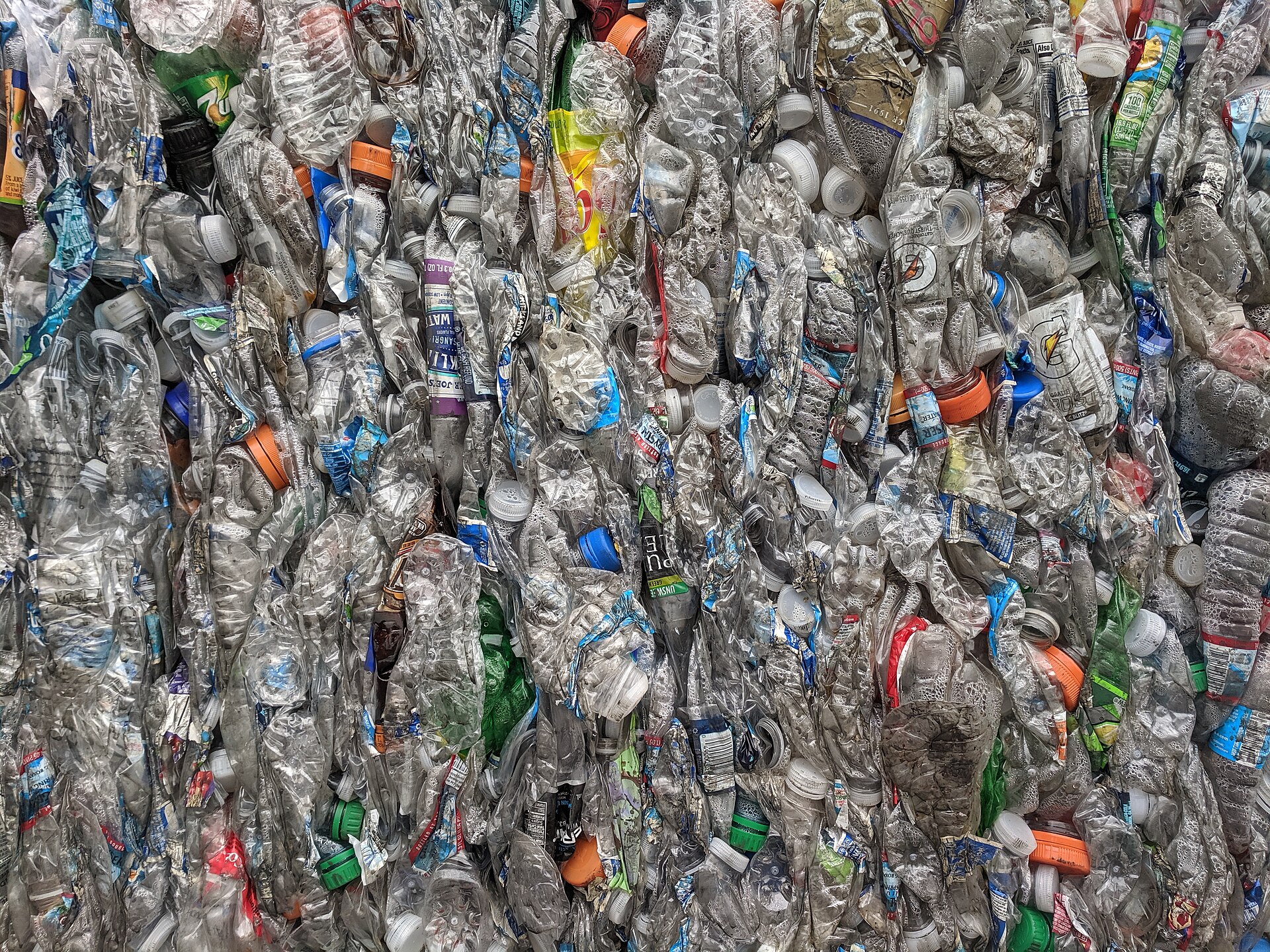
The National Association for PET Container Resources released “PET Forward,” a new decarbonization roadmap developed with Eastern Research Group that models a 57% cut in PET beverage-bottle life-cycle emissions intensity by 2050, even as production grows. The biggest gains come from lightweighting and renewable energy adoption — both already in motion across the value chain — with 16.9-oz PET water bottles seeing an estimated 44% emissions-intensity drop by 2035 versus a 2023 baseline. It’s a rare piece of good-news modeling in a packaging industry conversation usually dominated by recycling-rate anxiety.
Dow and Amcor launch a low-carbon packaging collaboration
Dow and Amcor announced a strategic tie-up aimed at helping brands cut Scope 3 emissions without forcing full packaging redesigns or new capital investment. The partnership pairs Dow’s polyethylene and carbon-footprinting expertise with Amcor’s packaging development and manufacturing scale, with both companies pledging to identify commercially viable low-carbon formats and bring value-chain partners in early. For teams weighing recycled-versus-virgin resin tradeoffs, this is worth watching as a template.
Automotive suppliers scramble to meet the EU’s recycled-plastics mandate
A new EU End-of-Life Vehicles Regulation, in force since mid-August, sets mandatory recycled-content targets of 15% by 2032 and 25% by 2036 for vehicle plastics — with Stellantis and BMW already piloting recycled interior components. Given three-to-five-year vehicle development cycles, suppliers are being told to lock in recycled-material sourcing now rather than later, a pressure that’s rippling into resin and compounding capacity shared with consumer packaging.
Amcor debuts refillable pouches and PCR-ready bottles in London
At London Packaging Week, Amcor showcased its AmPrima line of recyclable, mono-material refillable spouted pouches (PP or PE, with bio-based or PCR content options) alongside its UK-made Mocha bottles and jars for facial skincare. Brands weighing similar refill or PCR claims should also revisit our guide on supplement bottle label design rules, since substantiating a recyclability or PCR claim on-pack is now as scrutinized as the material choice itself.
Industry & Supply Chain
London Packaging Week 2026 draws record crowds to ExCeL
London Packaging Week ran September 16–17 at ExCeL London, bringing together beauty, food, and luxury brands alongside converters and material suppliers for two days of exhibits and innovation showcases. The show has become one of the calendar’s key checkpoints for reading where cosmetics and premium packaging design is heading heading into 2027.
AF&PA’s August report shows record bag & sack shipments
The American Forest & Paper Association’s August 2026 Packaging Papers Monthly Report showed total packaging papers and specialty packaging shipments up 4% year-over-year, with unbleached bag and sack shipments hitting a record near 119,000 short tons — up 8.4% year-to-date. The bleached packaging papers operating rate hit 91.1%, above 90% for the third time in 2026, a sign that kraft paper demand is holding up even as containerboard volumes stay soft.
FPA’s FlexForward Conference convenes in Milwaukee
The Flexible Packaging Association’s FlexForward Conference ran September 15–17 at Milwaukee’s Pfister Hotel, gathering flexible-packaging converters and brand owners for sessions on policy, sustainability, and innovation, alongside a networking reception at the Harley-Davidson Museum. Flexible packaging remains one of the categories most exposed to state EPR ecomodulation fees, so policy sessions like these carry real weight for 2027 planning.

US tariffs on Canadian goods jump again, squeezing packaging inputs
A fresh round of US tariffs on Canadian goods took effect September 15, adding 50% levies to roughly 110 additional products, on top of the 50% tariff already covering $27.6 billion in Canadian trade since late August. Packaging buyers sourcing pulp, specialty papers, or metal components from Canadian suppliers are the latest to feel the squeeze as freight, aluminum, and fiber costs stay volatile heading into Q4.
Amcor unveils the Magic One airless dispenser
Amcor’s other London Packaging Week headline was Magic One, an airless dispenser built for facial skincare that delivers precise 0.3 ml doses at any angle with a 96% restitution rate to minimize product waste. It’s the kind of structural innovation worth flagging alongside our recent piece on third-party packaging inspection, since dispensing-accuracy claims like this typically get validated through exactly that kind of testing before launch.
Regulations & Design
London Packaging Week Innovation Awards name their 2026 winners
The 2026 Innovation Awards crowned Marks & Spencer as Packaging Team of the Year for its structural and commercial work, while TwoNYC Boxes took the Limited Edition category for Prada’s Paradigms launch box — a design using gravity, magnets, and internal rolling ball bearings for an interactive unboxing. Heinz, Jack Daniel’s x McLaren, and Hotel Chocolat also took category honors, alongside Canagan’s mono-material polyethylene pack in the Sustainable Food category.
Packaging Digest maps the multipack compliance maze
A new analysis on rethinking multipacks lays out why secondary packaging strategy is getting harder: without a single national EPR framework, fee structures, definitions, and reporting timelines vary state by state, forcing brands distributing the same multipack nationally to build in redesign flexibility from the start. It’s a useful companion to our own walkthrough on how to weigh and categorize packaging for EPR reporting, since multipack components each need to be broken out and classified separately under most state programs.
Packaging Digest rounds up EPR-era design guides
Packaging Digest published a curated collection of sustainability and EPR-compliance design resources this week, spanning best-practice primers, recyclable-material selection guides, and end-of-life disposal references. With SB 343-style truth-in-labeling rules and multiple state EPR programs now layering on top of each other, this kind of centralized reference is becoming essential reading for anyone specifying materials or label claims.
EU’s ELV Regulation adds a second front for recycled-content compliance
Beyond automotive, the same recycled-content enforcement logic behind the EU’s End-of-Life Vehicles Regulation is shaping how regulators think about consumer packaging claims — particularly around the Empowering Consumers for the Green Transition Directive, which bans unsubstantiated environmental claims EU-wide starting September 27. Brands selling into both the EU auto-parts and packaging supply chains should expect the same documentation standards to apply across categories.
Sources
- AF&PA — AF&PA Releases August 2026 Packaging Papers Monthly Report
- Amcor — Amcor and Dow Launch Strategic Collaboration to Accelerate Adoption of Low-Carbon Packaging Solutions
- PlasticsToday — Automotive Suppliers Race to Meet EU Recycled Plastics Mandate
- Design Week — London Packaging Week Innovation Awards 2026 Winners Named
- Packaging Digest — Rethinking Multipacks for US Regulations and Beyond
Frequently Asked Questions
What was the biggest packaging industry news story this week?
London Packaging Week (September 16–17 at ExCeL London) was the week’s centerpiece, with Amcor’s Magic One dispenser and AmPrima refillable pouches, plus the show’s Innovation Awards, dominating headlines alongside NAPCOR’s new PET decarbonization roadmap.
What does NAPCOR’s PET Forward roadmap actually target?
It models a 57% reduction in PET beverage-bottle life-cycle emissions intensity by 2050, driven mainly by bottle lightweighting and renewable energy adoption across the value chain, even as overall PET production continues to grow.
How are the new US-Canada tariffs affecting packaging companies?
A September 15 escalation added 50% tariffs on roughly 110 more Canadian products, layering onto an existing 50% tariff covering $27.6 billion in Canadian trade — a real cost pressure for packaging buyers sourcing pulp, specialty paper, or metal components from Canadian mills.
Why do multipacks face such complicated EPR compliance?
Because there’s no single national EPR framework in the US, fee structures, material definitions, and reporting deadlines vary by state, so brands selling the same multipack nationally need packaging strategies flexible enough to accommodate different rules without a full redesign.
What’s driving the EU’s push on recycled plastic content beyond packaging?
The End-of-Life Vehicles Regulation now mandates 15% recycled plastic content in new vehicles by 2032, rising to 25% by 2036 — a parallel compliance track to packaging’s own recycled-content rules that’s pulling on the same recycled-resin supply.