
Sustainable packaging used to mean high minimum orders and premium pricing that only bigger brands could absorb. That’s changed. A growing number of suppliers now offer compostable mailers, recycled kraft boxes, and mushroom-based cushioning in small batches, which means an early-stage brand can ship responsibly without tying up cash in a warehouse of boxes it can’t afford.
This guide breaks down the materials worth considering, what they actually cost at small quantities, how to pick suppliers with low minimum order quantities (MOQs), and the mistakes that trip up founders who go green too fast or too cheaply.
Quick Answer
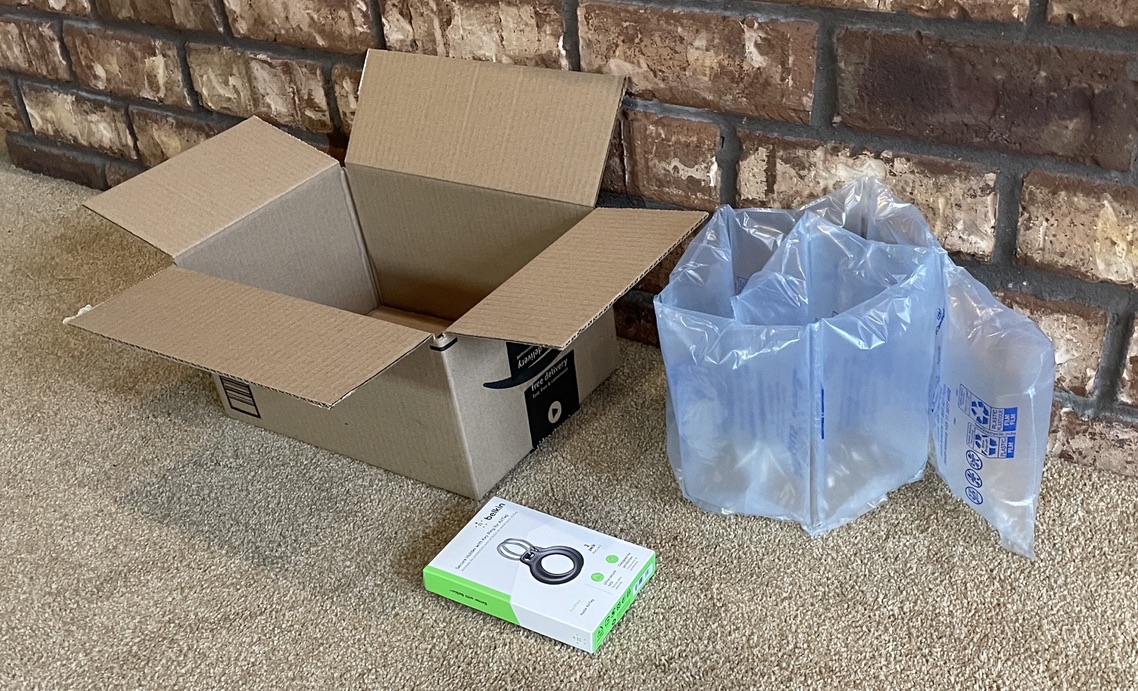
The most budget-friendly eco-friendly packaging for startups is unprinted or lightly-printed recycled kraft boxes and mailers, paper-based void fill (like crumpled kraft paper or honeycomb wrap), and compostable poly mailers for soft goods. These options are widely available from suppliers with low or no minimum order quantities, and they cost close to what conventional packaging costs once you factor in a good supplier.
Materials That Are Actually Affordable at Low Volume
Recycled or FSC-certified kraft cardboard is the cheapest and easiest starting point — it’s a mature material, widely produced, and doesn’t carry the price premium that newer bio-materials often do. Keep in mind that the FSC Recycled label just means the material is 100% reclaimed content; for paper products, FSC allows any mix of pre-consumer (mill scraps, off-cuts) and post-consumer (kerbside-collected) reclaimed fiber, so the label alone doesn’t guarantee it’s genuinely post-consumer waste. If a post-consumer recycled content claim matters to your brand, ask the supplier for the specific breakdown rather than relying on the FSC Recycled mark by itself.
Compostable mailers (made from cornstarch-based bioplastic blends, often certified by the Biodegradable Products Institute, BPI) are a solid swap for plastic poly mailers if you ship apparel, textiles, or other non-fragile goods. Note that BPI certification typically applies only to the film itself — printed logos, tape, and adhesive labels can affect compostability, so ask suppliers directly if you plan to brand the bag.
For cushioning, cornstarch-based packing peanuts and molded pulp inserts (recycled paper pressed into shape) are inexpensive and dissolve in water or compost, unlike foam peanuts or bubble wrap. Mycelium (mushroom-root) packaging from companies like Ecovative is a genuinely compostable foam alternative, but it’s usually better suited to protecting a specific product shape than to general-purpose padding, and it tends to cost more than paper-based fill.
Skip anything marketed only as ‘biodegradable’ with no certification attached — the term has no enforced legal standard in most markets, so it’s often used loosely. Compostable (BPI, TÜV, or ASTM D6400) and recyclable (How2Recycle, FSC) claims are backed by actual testing standards, which matters if customers or retailers ever ask you to substantiate the claim.
Finding Suppliers With Low Minimums and Fair Pricing
Several packaging companies now specifically target small businesses with low MOQs — some accept orders as small as 50-100 units, and a few operate with no fixed minimum at all, though per-unit pricing improves as order size grows. Ecommerce-focused suppliers like EcoEnclose, Arka, and Teal Packaging are commonly cited for this small-batch model; compare at least two or three quotes since pricing and MOQ policy vary a lot supplier to supplier.
As a rough guide, simple unprinted or single-color kraft mailers and boxes tend to run well under a dollar per unit once you’re ordering a few hundred, while fully custom printed boxes with foil stamping or specialty finishes can run several dollars per unit — so the fastest way to control cost is to start with a simple stock design and add custom printing only once volume (and revenue) justifies it.
Ask every supplier for the specific certification documents (not just a ‘green’ claim on their marketing page), their standard production lead time (commonly 1-2 weeks after proof approval), and whether they offer a sample pack — a small paid sample order is the cheapest way to test durability before committing to a production run.
Tips and Common Mistakes
Right-size the box before you green it. The single biggest cost and carbon lever is often box size, not material — a box that’s too large wastes material, needs more void fill, and can cost more to ship. Fix sizing first, then optimize material.
Don’t over-brand too early. Full-color custom printing is where per-unit cost jumps fastest. A simple one-color stamp or a printed tape/sticker on a plain recycled box gets you branding at a fraction of the cost of full custom printing, and it’s easy to upgrade later.
Watch for ‘greenwashing’ in your own materials. Don’t claim packaging is post-consumer recycled just because it carries an FSC Recycled mark — that label covers reclaimed content generally, not a guaranteed post-consumer percentage for paper products. If you can’t confirm the specific claim with the certifying body or supplier, don’t put that claim on your packaging.
Match the material to how customers will actually dispose of it. Home-compostable packaging is only useful to customers who compost at home or have municipal collection; if most of your customers don’t, a recyclable material may have a better real-world outcome than a compostable one that ends up in landfill anyway.
Buy a sample pack before a production run. It’s a small upfront cost that avoids a much larger mistake — packaging that doesn’t hold up in transit or doesn’t match the branding you expected.
Explore more: More sustainable packaging guides.
Affordable eco-friendly packaging for startups FAQs
What is the cheapest eco-friendly packaging option for a new startup?
Plain or single-color recycled kraft boxes and mailers are typically the cheapest option, since kraft is a mature, widely-produced material without the price premium of newer bio-based materials. Save custom full-color printing for later once volume justifies it.
Do eco-friendly packaging suppliers require large minimum orders?
Not anymore. A number of suppliers now offer minimum order quantities as low as 50-100 units, and some operate with no strict minimum, making it realistic for a startup to order small batches and scale up as demand grows.
Does FSC Recycled certification mean the packaging is post-consumer recycled?
Not necessarily. FSC Recycled means the material is 100% reclaimed content, but for paper products FSC allows any mix of pre-consumer (like mill off-cuts) and post-consumer (like kerbside-collected paper) reclaimed fiber. If post-consumer content specifically matters to your brand, ask the supplier for the exact breakdown.
Should a startup choose compostable or recyclable packaging?
It depends on your customers’ access to composting versus recycling. If most customers have curbside recycling but not composting access, a recyclable material (look for How2Recycle or FSC labeling) may have a better real-world outcome than compostable packaging that ends up in a landfill instead of a compost facility.
Source Smarter With Packaura Direct
Find packaging suppliers, surplus inventory, and certification — all on Packaura Direct. Try Packaura Direct.
Photo: DanielPenfield / CC BY-SA 4.0, via Wikimedia Commons.