
If you wrap, smoke, or sell food for a living, “butcher paper” and “food-safe” aren’t automatically the same thing. Genuine butcher paper made for direct food contact is regulated under FDA rules, but a lot of paper sold under that name — including cheap kraft paper marketed to home cooks and small shops — was never tested or intended for it.
This guide explains what “FDA-approved” actually means for paper packaging (the FDA doesn’t stamp products with a seal of approval, so the phrase is more nuanced than it sounds), which regulations apply, and exactly what documentation to ask a supplier for before you put their paper in contact with food.
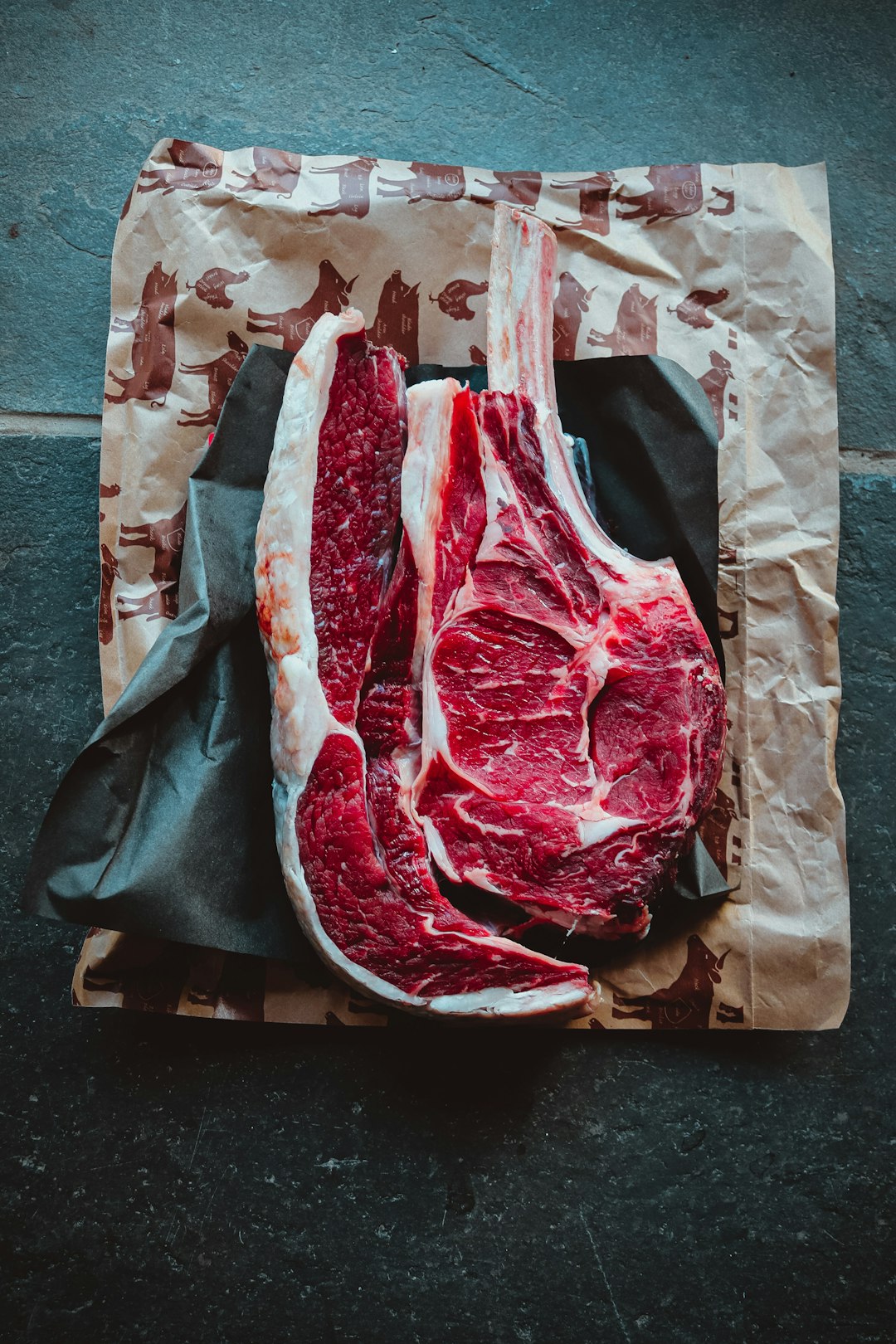
Quick Answer
True butcher paper — uncoated kraft paper made without added PFAS or unapproved dyes — is food-safe and compliant with FDA regulations for direct food contact under 21 CFR Part 176. But the FDA doesn’t certify individual products or brands; compliance is self-certified by the manufacturer through a Letter of Guarantee. So “FDA-approved” on a label is a claim, not a government stamp — you verify it by requesting documentation, not by trusting the packaging text.
What FDA Rules Actually Apply to Butcher Paper
Food-contact paper falls under 21 CFR Part 176, the FDA’s regulations for indirect food additives in paper and paperboard. Two sections matter most: 176.170 covers paper in contact with aqueous, acidic, alcoholic, and fatty foods (essentially raw and cooked meat, produce, and most food service uses), and 176.180 covers paper in contact with dry food only. These sections list which substances — pulp components, sizing agents, adhesives — are cleared for use, along with limits on what can migrate from the paper into the food.
There is no FDA “certification mark” or product registration for butcher paper the way there is for, say, organic food. Instead, manufacturers determine that their paper meets Part 176 requirements and back that up with a Letter of Guarantee (also called a Declaration of Compliance) — a signed document stating the paper complies with the applicable FDA regulations. Any supplier claiming their paper is food-safe should be able to produce this letter on request. If they can’t, that’s the red flag, not the paper’s color or texture.
Since 2024, this has an added layer worth knowing: the FDA confirmed that grease-proofing substances containing certain PFAS “forever chemicals” are no longer sold for food-contact use in the U.S., following a voluntary industry phase-out that started in 2020. That mainly affected coated wrappers, popcorn bags, and takeout containers rather than plain butcher paper, but if you’re buying a treated or grease-resistant paper, it’s a fair question to ask your supplier whether their PFAS-related Food Contact Notifications have been affected by that phase-out.
How to Verify a Supplier’s Certification
Start by requesting the Letter of Guarantee or Declaration of Compliance directly from the manufacturer or your distributor — not a general statement on the website, but a document referencing the specific FDA sections (176.170 and/or 176.180) the paper complies with, tied to the specific product SKU you’re buying. Vague marketing language like “food grade” or “FDA approved” with no backing document isn’t proof.
Recycled content isn’t automatically disqualifying. Under 21 CFR 176.260, pulp from reclaimed fiber is expressly permitted in food-contact paper, but only from controlled sources: industrial waste from paper and paperboard manufacturing, or salvage from used paper and paperboard — in both cases excluding material that carried a poisonous or deleterious substance capable of migrating into food. If a supplier’s paper contains recycled fiber, ask them to confirm the reclaimed pulp’s source meets 176.260’s conditions specifically, rather than assuming recycled content is either automatically fine or automatically excluded.
Confirm there’s no added color, dye, or coating that isn’t separately cleared. Natural pink/peach butcher paper gets its color from the wood pulp itself during processing, not an added dye, and reputable suppliers will confirm this in writing. If a paper is coated (like true freezer paper’s polyethylene layer) or has color added, ask specifically whether that coating or dye is FDA-cleared for food contact — don’t assume it inherits the compliance of the base paper.
If you’re a restaurant, meat market, or food producer buying at volume, ask whether the paper has third-party audit or safety certifications on top of the FDA self-certification, such as certifications from bodies that audit food-contact paper manufacturing (these vary by supplier and aren’t universal, so treat this as a bonus check, not a requirement).
Tips and Common Mistakes
Don’t assume all kraft-colored paper is butcher paper. Regular kraft paper, packing paper, and shipping paper look nearly identical to food-grade butcher paper but are not manufactured or tested for direct food contact — using them to wrap meat or line a smoker is a compliance and safety gap, not just a cosmetic one.
Don’t confuse freezer paper with butcher paper. Freezer paper has a polyethylene coating on one side to block moisture; that coating needs its own compliance check separate from the base paper. If you’re vacuum-sealing or long-term freezing product, this distinction matters for both food safety and shelf life.
Keep the Letter of Guarantee on file, not just a marketing claim from checkout. If your facility is ever audited by a health department or food safety inspector, “the label says FDA approved” isn’t documentation — a supplier’s signed compliance letter is.
Re-verify after switching suppliers or SKUs, even within the same product category. A Letter of Guarantee applies to a specific paper formulation from a specific manufacturer; swapping vendors (even for what looks like an identical roll of pink butcher paper) means you need a new document, not an assumption that the old one still applies.
Explore more: More packaging compliance guides.
Butcher paper FDA compliance FAQs
Does the FDA actually approve or certify butcher paper?
No. The FDA regulates which substances can be used in food-contact paper (under 21 CFR Part 176) but does not certify or approve individual products or brands. Manufacturers self-certify compliance and back it up with a Letter of Guarantee — that’s the document you should ask for, not a government certificate.
Is pink or peach butcher paper safe for food contact?
Yes, when it’s genuine uncoated butcher paper — the pink/peach tint comes from the paper’s natural composition during manufacturing, not an added dye. Ask your supplier to confirm no separate coloring agent was added, since that would need its own compliance clearance.
Is recycled butcher paper food-safe?
It can be. 21 CFR 176.260 expressly permits pulp from reclaimed fiber in food-contact paper, but only from controlled sources — industrial mill waste or salvaged paper and paperboard that never carried a substance capable of migrating into food. Ask your supplier to confirm their reclaimed fiber meets that specific regulation rather than assuming recycled content is automatically excluded from compliance.
Can I use regular kraft or shipping paper instead of butcher paper?
No. Standard kraft or packing paper is not manufactured or tested to food-contact standards and its fiber sourcing isn’t documented for compliance. Use paper specifically sold and documented as food-grade butcher paper.
Find the Right Packaging Supplier
Search the free Packaura supplier directory — filter by material, certification, and location to find vetted suppliers. Search the Supplier Directory.
Want packaging news in your inbox? Subscribe to the free newsletter.
Photo by Llio Angharad on Unsplash.