
“Compostable” on a label sounds like a promise that packaging will quietly vanish into soil within a few weeks. In reality, the breakdown time depends heavily on the material, the certification behind it, and — most importantly — where the item actually ends up after it’s thrown away.
This guide breaks down the real timelines for industrial composting, home composting, and landfill disposal, plus the material differences that explain why one “compostable” container can disappear in months while another barely changes at all.
Quick Answer
Certified industrial-compostable packaging is required to reach at least 90% biodegradation within 180 days inside a commercial composting facility that maintains high heat, moisture, and airflow. The same packaging in a home compost pile can take closer to a year, and in some cases it won’t break down nearly as completely without the sustained high temperatures industrial facilities provide. If it ends up in a landfill, compostable packaging behaves much like regular trash — it can sit for years because landfills are sealed, oxygen-starved environments that don’t support composting.
Breakdown Time by Destination
Industrial/commercial composting: This is what most “compostable” certifications are actually built around. The main U.S. standard, ASTM D6400, and the certification built on it (BPI Certified) require a product to disintegrate into small pieces within about 84 days and reach at least 90% biodegradation — meaning at least 90% of the organic carbon is converted to carbon dioxide, measured against a control — within a maximum test period of 180 days under managed industrial conditions: sustained heat often well above 130°F, controlled moisture, and regular turning to keep oxygen flowing to the microbes doing the work.
Home composting: Backyard compost bins run cooler and less consistently than industrial facilities, so they need their own standard. Certifications like TÜV Austria’s OK Compost HOME require a product to disintegrate within 180 days and reach at least 90% biodegradation within 12 months at the lower, ambient temperatures a home pile typically reaches. Not all ‘compostable’ packaging is certified for this — a product labeled compostable without a home-compost certification was likely tested for industrial conditions only, and may not break down nearly as well in a backyard bin.
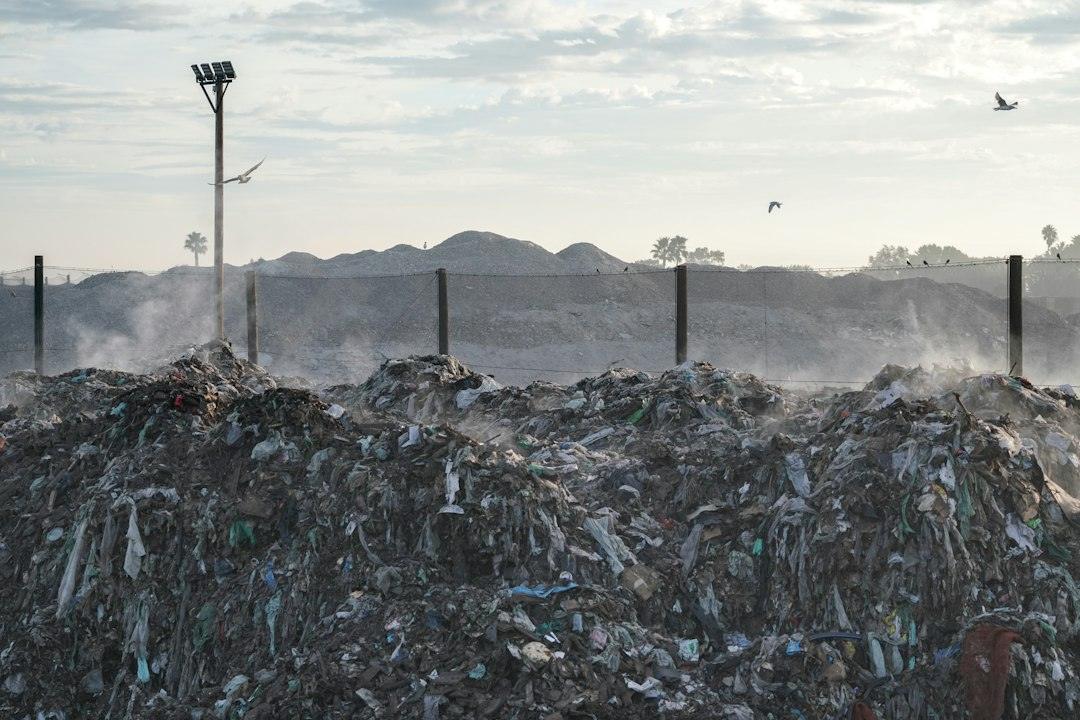
Landfill: This is where the ‘compostable’ promise usually falls apart. Landfills are compacted and sealed to limit oxygen, which stops the aerobic composting process entirely. Packaging that would compost quickly under the right conditions instead breaks down slowly and anaerobically, similar to other buried organic waste, and can generate methane as it does. Materials can sit there for years with little meaningful decomposition.
Why the Material Itself Changes the Timeline
Not all compostable packaging is made the same way, and the material drives a lot of the variation in breakdown time. Plant-fiber packaging — molded pulp, bagasse (sugarcane fiber), and uncoated paperboard — tends to break down fastest because it’s essentially processed plant matter that microbes can digest readily, even in a home pile.
Bioplastics like PLA (polylactic acid, usually made from corn starch) behave differently. PLA is engineered to be sturdy and heat-resistant at normal use temperatures, which means it generally needs the sustained high heat of an industrial composting facility to break down within a reasonable timeframe. Without that heat, PLA can persist far longer than its certification timeline suggests, which is why it’s rarely accepted in backyard composting even when the product carries a general ‘compostable’ label.
Coatings and linings also matter: packaging with compostable linings (like some coated cups or bowls) depends on both the base material and the coating breaking down together — if either component isn’t certified compostable, the whole piece may not break down as expected.

Tips / Common Mistakes
Check for a specific certification logo (BPI, or an OK Compost / TÜV Austria mark) rather than trusting the word ‘compostable’ alone — it tells you whether the product was actually tested, and for which environment.
Don’t assume industrial-certified packaging will compost at home. If there’s no home-compost certification, it was built and tested for commercial facility conditions, which most backyard bins can’t replicate.
Never rely on a landfill to compost packaging. If curbside composting or a drop-off program isn’t available in your area, compostable packaging in the trash will mostly just behave like regular waste.
Confirm your local composting program actually accepts the specific material — some municipal programs accept certified compostable foodware but exclude bioplastic films or coated items because they’re hard to visually sort from regular plastic.
Explore more: more sustainable packaging guides.
Compostable packaging breakdown time FAQs
Is compostable packaging the same as biodegradable packaging?
No. ‘Biodegradable’ has no required timeframe or testing standard, so almost anything eventually breaks down given enough time. ‘Compostable’ packaging that carries a real certification (like BPI or OK Compost) has been tested to reach a specific biodegradation threshold within a set timeframe under specific conditions.
Will compostable packaging break down in my kitchen trash can or a regular dumpster?
No. It needs to actually reach a composting environment — industrial or home — to break down as intended. In regular trash headed to a landfill, it won’t get the heat, moisture, and oxygen exposure it needs.
How can I tell if packaging is certified for home composting versus industrial only?
Look for an explicit home-compostable mark, such as OK Compost HOME or a TÜV Austria home-compostable logo. A BPI Certified Compostable logo on its own indicates industrial/commercial composting only, not home composting.
Find the Right Packaging Supplier
Search the free Packaura supplier directory — filter by material, certification, and location to find vetted suppliers. Search the Supplier Directory.
Want packaging news in your inbox? Subscribe to the free newsletter.
Photo by Katie Rodriguez on Unsplash.