
Tea is one of the more demanding products to package well. It has to stay away from light, oxygen, moisture, and odors to keep its flavor, and it has to look worth picking up next to dozens of competing pouches and tins on a shelf or in a search result. Getting both right at once is the real challenge of tea packaging design.
This guide breaks down the decision into three parts: the material that protects the tea, the structure that shapes how customers experience it, and the finish that makes it feel premium. Whether you’re launching a single-origin loose leaf line or a grocery-shelf tea bag brand, these are the choices that determine whether your packaging sells and whether the tea inside still tastes good on day 90.
Quick Answer
Good tea packaging combines a barrier material (foil-lined kraft, metalized film, or a compostable barrier laminate) to block light, oxygen, and moisture; a structure suited to the tea format (stand-up pouch or tin for loose leaf, pyramid or flat sachets for bagged tea); and a finish — soft-touch matte, spot UV, or foil stamping — that signals quality and reinforces the brand at the point of purchase.
Choosing a Material That Actually Protects the Tea
Tea’s biggest enemies are light, oxygen, moisture, and strong odors, all of which flatten aroma and flavor over time. That’s why almost every serious tea package uses a barrier layer rather than a single sheet of plain paper or plastic. Kraft paper is a common outer layer because it’s flexible, prints well, and gives off an artisanal look, but on its own it isn’t airtight — it’s typically laminated with aluminum foil or a bio-based barrier film like PLA (polylactic acid) on the inside to block moisture and oxygen.
For loose leaf tea, foil-lined stand-up pouches with a resealable zipper are the workhorse choice: the foil gives a strong barrier and the zipper keeps the tea fresh across repeated use after opening. Metallized film (a thin layer of aluminum vacuum-deposited onto film or paper) offers similar barrier performance at a lighter weight and lower cost than true foil laminate, which is why it shows up often in mid-tier tea pouches.
Certified compostable structures — kraft paper or plant-based film outer layers paired with compostable inner barrier layers such as PBAT, PBS, or PLA — are food-safe and a common choice for brands leaning into a natural or eco-forward image. But whether they’re actually a better environmental outcome than conventional plastic isn’t automatic: it depends on the material’s full production life cycle and, just as much, on whether your customers have real access to a facility that composts them. Most certified-compostable barrier films are tested and certified for industrial or commercial composting conditions specifically, not a backyard bin, and if they end up in a landfill or a regular recycling stream instead, they may perform little differently from plastic. Don’t market compostable packaging as an automatic eco upgrade — check what composting infrastructure exists where your product actually ships, and label disposal instructions specifically.
Tins (steel or aluminum) and glass jars are the premium end of the spectrum. Both give excellent barrier protection when sealed properly and photograph well for retail and gifting, but they cost more per unit and add shipping weight — better suited to flagship SKUs, gift sets, or subscription unboxing than everyday bulk tea.
Matching the Structure to How the Tea Is Used
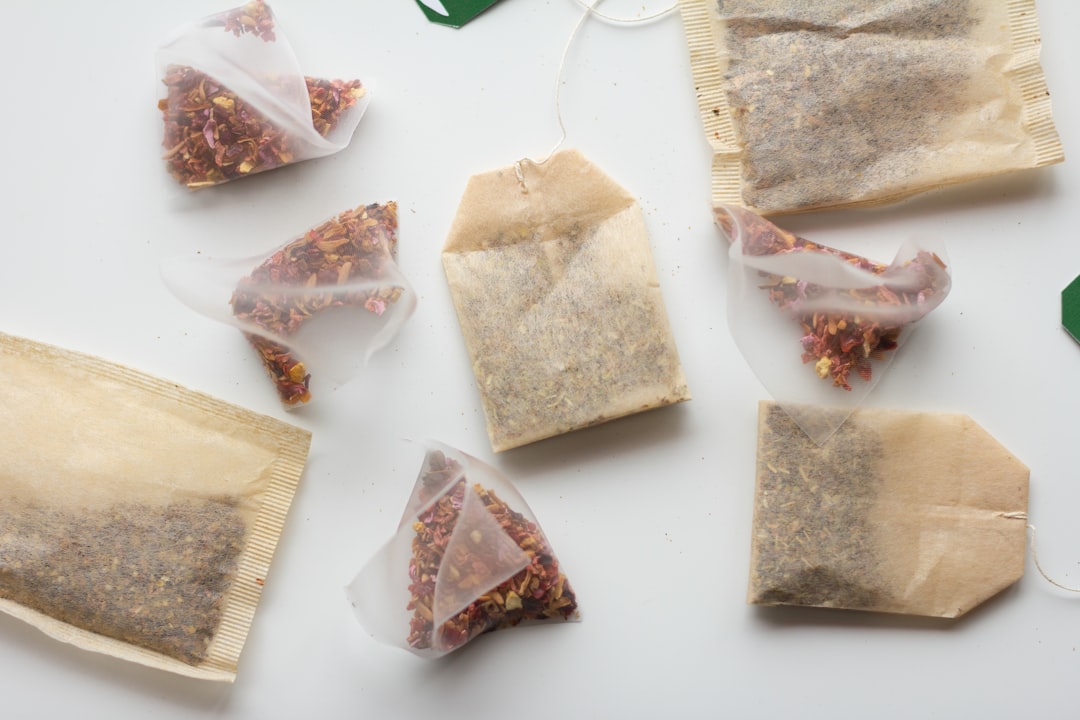
For bagged tea, pyramid sachets have become the go-to for premium and specialty brands. Their triangular shape gives whole and larger tea leaves room to expand and lets water circulate around them more freely than a flat bag, which generally produces a fuller infusion — especially useful if you’re using whole-leaf or botanical blends rather than fine fannings. Many pyramid sachets are made from a cornstarch-based mesh, which markets well as biodegradable, though the same composting-infrastructure caveat applies — check what disposal pathway actually exists before making that claim on pack.
Flat paper sachets remain the most economical option for everyday tea bags and are still the standard for grocery multi-packs, where cost per unit and machine speed matter more than the unfurl advantage of a pyramid.
For loose leaf, the stand-up pouch is the default modern format: it’s light to ship, stands up on shelf for good facing, and a zip-lock keeps the tea sealed between uses. A tin or caddy is worth the added cost when you want the package itself to double as a display or gift object — many premium and holiday tea lines use tins specifically because they read as a flagship item at retail. Clear glass jars are a middle option when you want the tea leaves themselves to be part of the sell, since customers can see the leaf quality before buying.
Finishes That Make Tea Packaging Sell
Once the material and structure protect the tea, the finish is what sells it in the first three seconds of shelf or scroll time. Soft-touch (soft-touch or ‘peach skin’) matte coating adds a velvety texture that reads as premium the moment someone picks up the pouch or box — it’s a favorite for boutique and gift-tier tea brands because touch reinforces the quality story that plain gloss film can’t.
Spot UV — a glossy coating applied only to specific design elements, like a logo, crest, or botanical illustration — creates contrast against a matte or kraft background and draws the eye to the brand mark without covering the whole package in gloss. It’s a common move for artisanal tea brands moving from a plain coated stock to kraft paper with a spot-UV crest, which reads as both natural and considered.
Foil stamping (metallic foil applied with heat and pressure) is the classic way to signal a premium or gourmet tier — gold or copper foil on a dark or kraft background is a shorthand shoppers already associate with higher-end tea, coffee, and specialty food packaging. Used sparingly on a logo or border, foil adds shelf presence without pushing production cost up as much as a full metallic laminate would.
None of these finishes need to be used alone. A common premium combination is kraft paper stock, a soft-touch overlay, and a small foil-stamped or spot-UV logo — natural material as the base, with one deliberate metallic or glossy accent instead of covering the whole pack.
Tips and Common Mistakes
Don’t choose a material purely for looks. A beautiful matte pouch with no real barrier layer will let the tea go stale within weeks; always confirm the inner layer (foil, metallized film, or a certified compostable barrier) before finalizing art.
Match the format to the tea, not just the brand aesthetic. Whole-leaf and botanical blends benefit from pyramid sachets or loose-leaf pouches that give leaves room to expand; fine, cut-leaf tea works fine in flat sachets and doesn’t need the extra cost.
Don’t imply compostable packaging is an automatic environmental win. ‘Certified compostable’ materials are generally tested and certified for industrial composting facilities to actually break down, and the real-world benefit depends on whether your customers can access one — say so specifically on the package rather than making a blanket eco claim, to avoid misleading customers and running into greenwashing complaints.
Reserve foil stamping, embossing, and full tins for the SKUs that need to justify a premium price. Applying every finish to every product blurs the hierarchy between your everyday line and your flagship or gift line.
Test resealability before production. A zipper or reclosable seal that fails after a few openings undercuts freshness claims fast — validate the actual pouch sample, not just the spec sheet, before committing to a print run.
Explore more: more packaging design guides.
Tea packaging design FAQs
What’s the best material for keeping tea fresh?
A barrier layer is what matters most, not the outer look. Foil-laminated or metallized film blocks light, oxygen, and moisture best; kraft paper alone does not, so it should be paired with a foil or compostable barrier lining.
Should I use pyramid sachets or flat tea bags?
Pyramid sachets suit whole-leaf and botanical blends because their shape lets leaves expand and infuse more fully. Flat sachets are cheaper and faster to produce, making them the standard choice for everyday cut-leaf tea bags.
Is compostable tea packaging actually eco-friendly?
It depends on the material’s full life cycle and, critically, on whether your customers actually have access to a facility that can compost it. Certified compostable materials (kraft with PLA or PBAT linings, cornstarch-based sachets) are generally certified for industrial or commercial composting conditions to break down — they won’t compost reliably in a home bin, and if they end up in a landfill or standard recycling stream instead, they may offer little advantage over conventional plastic. Check what composting infrastructure exists where your product ships before marketing it as an eco upgrade, and label disposal instructions specifically.
When is a tin worth the extra cost over a pouch?
Tins make sense for premium, gift, or seasonal SKUs where shelf presence and reusability justify the higher unit cost and shipping weight. For everyday or bulk loose-leaf tea, a resealable stand-up pouch is more cost-effective and still keeps tea fresh.
Find the Right Packaging Supplier
Search the free Packaura supplier directory — filter by material, certification, and location to find vetted suppliers. Search the Supplier Directory.
Want packaging news in your inbox? Subscribe to the free newsletter.
Photo by Lynda Sanchez on Unsplash.