
Canned packaging is still one of the toughest, most trusted formats in the industry — food cans, beverage cans, and industrial cans all lean on the same rigid, sealed metal construction to lock out air, light, and contamination for years at a time. If you’re sourcing cans or just trying to understand how they’re made and used, the details matter: material choice, lining chemistry, and can construction all affect shelf life, cost, and compliance.
This guide covers what packaging cans and food cans packaging actually are, how they’re manufactured, the materials and linings used, where each type is deployed, and what’s changing in the market right now — including BPA-free linings and recycling.
Quick Answer
Packaging cans are rigid, hermetically sealed metal containers — made from aluminum or tinplate/tin-coated steel — used to package food, beverages, and industrial products. Food cans packaging specifically refers to steel or aluminum cans built to survive high-heat retort processing so shelf-stable foods (vegetables, soups, meats, pet food) stay safe and fresh for years without refrigeration.
How Food Cans Packaging Is Actually Made
Metal cans are produced using one of two manufacturing methods. Two-piece cans are drawn and ironed (or drawn and redrawn) from a single flat metal blank, producing a seamless body with a separately attached end — this is the standard method for most aluminum beverage cans and many food cans today.
Three-piece cans start as a flat sheet of coated tinplate steel that’s rolled into a cylinder and joined with a welded side seam; a bottom end is then attached by double-seaming, the can is filled, and a top end is double-seamed on after filling. Three-piece construction remains common for larger or custom-shaped food cans because it offers more manufacturing flexibility for bigger diameters and non-standard sizes — though the welded side seam itself is an added potential weak point, and seamless two-piece bodies generally offer better structural integrity.
Common Types of Packaging Cans
Food Cans: Used for vegetables, fruits, soups, sauces, meats, pet food, and prepared meals, food cans are engineered to withstand high-temperature retort processing that sterilizes contents and extends shelf life to a year or more without refrigeration.
Beverage Cans: Aluminum beverage cans dominate soft drinks, beer, energy drinks, sparkling water, and RTD beverages thanks to their light weight, fast chill time, and strong recycling infrastructure.
Industrial and Chemical Cans: Steel cans built for paints, coatings, lubricants, adhesives, and chemical products prioritize strength, leak prevention, and compatibility with hazardous materials.
Specialty and Decorative Cans: Used for gift packaging, promotional items, cosmetics, and specialty foods, these emphasize print quality and shelf appeal alongside function.
Materials and Linings Used in Packaging Cans
Aluminum cans are made from alloys that are typically 90%+ aluminum blended with small amounts of other metals like manganese, copper, or zinc for strength. They’re lightweight, corrosion-resistant, and cool or heat quickly, which is why they dominate beverage packaging.
Steel and tinplate cans use a low-carbon steel base electroplated with a thin layer of tin (roughly 2.8–11.2 grams per square meter), giving them the corrosion resistance and structural strength needed for retort processing and long-term storage — the standard for most food cans.
Internal linings matter as much as the base metal. Following consumer and regulatory pressure, most major can makers have moved away from BPA-based epoxy linings; industry sources indicate the large majority of U.S. food cans now use non-BPA acrylic, polyester, olefin, or organosol-based coatings instead, chosen for compatibility with acidic or high-fat foods and for meeting FDA food-contact requirements.
Industries That Rely on Packaging Cans
Food & Beverage: Cans are essential for shelf-stable foods and beverages, offering extended shelf life without refrigeration — a major advantage for distribution and retail.
Industrial & Chemical: Paints, solvents, oils, and chemicals rely on metal cans for safe storage and transport, where leak resistance and hazardous-material compatibility are non-negotiable.
Household & Consumer Products: Certain cleaning products, waxes, and specialty consumer goods use can packaging for durability and safety.
Specialty and Promotional Markets: Decorative cans are commonly used for gift sets, limited editions, and branded merchandise.
Benefits of Canned Packaging
Cans protect contents from air, light, moisture, and contaminants — a barrier level flexible or clear packaging formats can’t match. Combined with retort processing, this gives canned food some of the longest shelf lives in the packaging world, often a year or more without refrigeration.
Metal cans also hold up to stacking, shipping, and rough handling better than plastic or glass, and both aluminum and steel are infinitely recyclable without losing material quality — aluminum cans in particular are recycled at meaningfully higher rates than most other beverage packaging formats, and recycled aluminum retains significantly more scrap value than recycled plastic or glass, which keeps collection programs economically viable.
Limitations and Considerations
Packaging cans aren’t the right fit for every product. They offer limited shape flexibility compared to plastic or glass, carry higher tooling and setup costs for custom designs, require careful internal-coating compatibility checks for acidic or high-salt products, and don’t offer the shelf transparency of clear packaging formats. Weighing these trade-offs against the shelf-life and protection benefits helps determine whether cans are the right packaging choice for a given product.
Customization Options for Packaging Cans
Despite their rigid structure, cans still offer real branding flexibility: multiple diameters, heights, and volumes to suit different products; decoration options including direct printing, labeling, embossing, and specialty finishes; and closure options like easy-open ends, pull tabs, resealable lids, and specialty closures that improve usability.
Regulations and Compliance
Packaging cans intended for food or beverage contact must meet FDA food-contact material regulations, and internal coatings must meet safety and migration requirements — which is why the shift toward non-BPA linings has become standard practice across the industry. Industrial and chemical cans are instead governed by hazardous-material packaging standards specific to their contents. Working with experienced suppliers helps ensure compliance is documented and consistent across markets and regions.
How to Choose a Packaging Can Supplier
Material and coating expertise matters most: suppliers should understand internal linings, corrosion resistance, and compatibility with your specific product. Beyond that, evaluate production capacity for your volume needs, quality control around dimensional accuracy and seam integrity, and lead times and logistics reliability to avoid supply disruptions.
Industry Trends in Packaging Cans
Two shifts define the current can packaging market: the near-complete move away from BPA-based linings toward acrylic, polyester, and olefin alternatives, and growing brand demand for recyclability and recycled-content messaging, since both aluminum and steel cans fit cleanly into existing municipal recycling streams in a way many flexible and multi-material packaging formats do not.
Photos
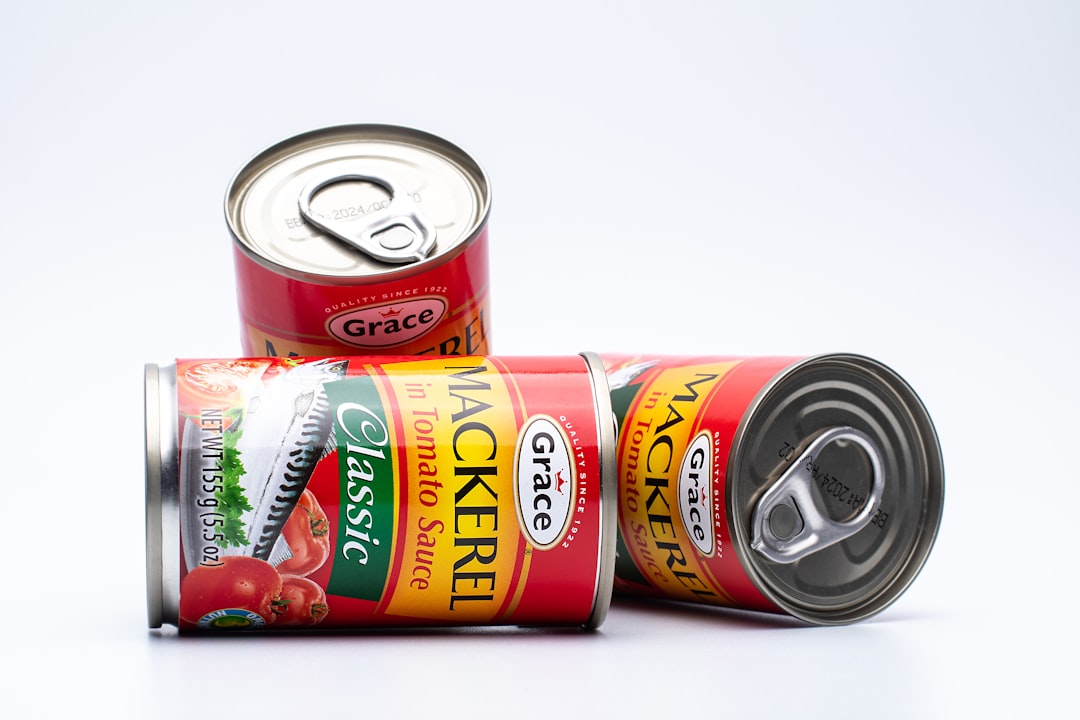
packaging cans FAQs
What is canned packaging?
Canned packaging refers to rigid, hermetically sealed metal containers made from aluminum or tinplate steel, used to store food, beverages, and industrial products while blocking out light, oxygen, and contamination.
What is food cans packaging made of?
Most food cans are made from tinplate steel (low-carbon steel electroplated with a thin tin layer) or aluminum, with an internal coating — typically non-BPA acrylic, polyester, or olefin-based — that protects the food from direct contact with the metal.
Are food cans still lined with BPA?
No, not typically. Most major U.S. can manufacturers have shifted to non-BPA linings such as acrylic, polyester epoxy, or olefin polymer coatings, following years of consumer and regulatory pressure.
What’s the difference between two-piece and three-piece cans?
Two-piece cans are drawn and ironed from a single metal blank with a seamless body, common in beverage cans and prized for having fewer potential weak points. Three-piece cans are rolled from a flat sheet with a welded side seam and separately attached top and bottom ends — a construction often used for larger or custom-shaped food cans for manufacturing flexibility, though the seam itself is an added potential weak point rather than a source of extra strength.
Are packaging cans recyclable?
Yes. Both aluminum and steel cans are infinitely recyclable without losing material quality, and aluminum cans in particular are recycled at higher rates than most other packaging formats because recycled aluminum retains strong scrap value.
How long do canned foods last?
Properly processed and sealed food cans, thanks to retort sterilization and airtight metal construction, typically remain shelf-stable for a year or more without refrigeration.
Find the Right Packaging Supplier
Search the free Packaura supplier directory — filter by material, certification, and location to find vetted suppliers. Search the Supplier Directory.
Want packaging news in your inbox? Subscribe to the free newsletter.