
Pet food packaging must satisfy a uniquely demanding set of requirements: 12-18 month shelf life on fat-rich kibble, premium shelf appeal in a category where humanization drives purchase decisions, freezer-burn protection on frozen raw diets, and increasingly aggressive sustainability targets from major retailers. This guide breaks down the format innovations, material strategies, and regulatory considerations shaping the $50 billion North American pet food packaging segment.
Format Diversification Beyond Kibble Bags
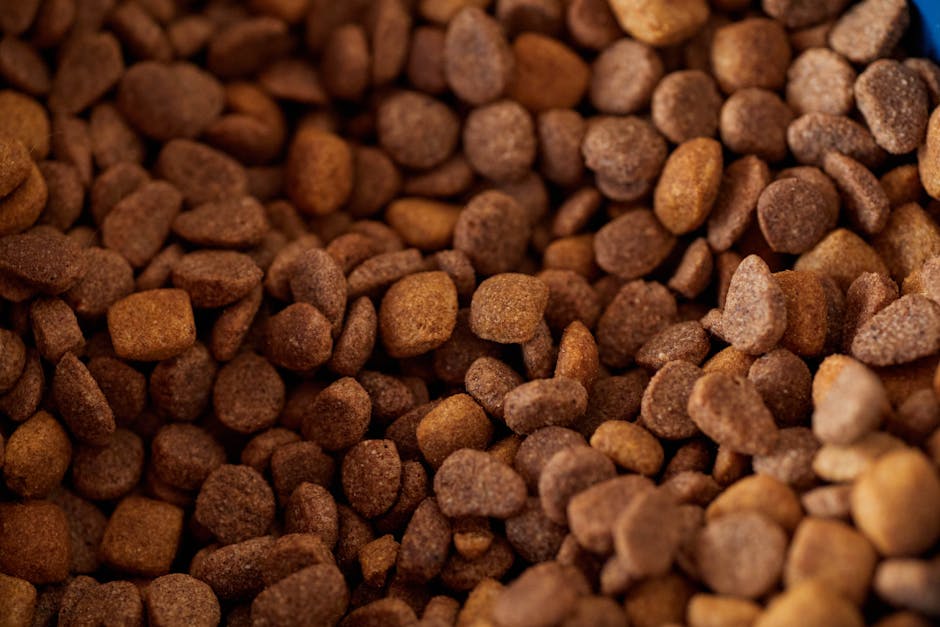
Traditional 30-50 lb gusseted bag formats still dominate dry kibble, but the category has fragmented dramatically with the rise of fresh refrigerated diets (Farmer’s Dog, NomNom), frozen raw (Stella & Chewy’s, Primal), and freeze-dried treats. Pet food packaging now spans high-barrier flexible pouches, rigid trays, retort pouches, and specialty cold chain shippers.
Premium pet food brands increasingly use stand-up pouches (SUPs) with resealable zippers in 4-12 lb formats, offering shelf appeal and consumer convenience that traditional gusseted bags cannot match. Packaging Dive tracks format trends and material innovation across the pet food category.
Barrier Requirements for Fat-Rich Formulations
High-fat pet foods (chicken, salmon, lamb-based recipes) require oxygen barriers to prevent rancidity and flavor scalping over 12-18 month shelf lives. Standard high-barrier structures use PET/foil/PE laminates with oxygen transmission rates below 0.5 cc/m²/day.
Recyclable alternatives include mono-material PE pouches with vacuum-deposited SiOx or AlOx coatings, and PET/EVOH/PE structures where the EVOH layer stays below recycling-stream tolerances. Our mono-material packaging strategies coverage details which structures qualify for APR recyclability recognition.
Regulatory Compliance and Labeling
Pet food packaging falls under FDA jurisdiction (21 CFR for animal food) and state feed control regulations administered through AAFCO (Association of American Feed Control Officials). Required label elements include guaranteed analysis, ingredient list, nutritional adequacy statement, feeding directions, and net weight.
For brands selling internationally, EU Regulation 767/2009 governs feed labeling, and Canada’s CFIA imposes additional requirements. FDA animal food guidance provides the foundational regulatory framework that pet food packaging must support.
Cold Chain for Fresh and Raw Diets
The fast-growing fresh and raw pet food segment requires cold chain packaging similar to direct-to-consumer human meal kits. Fresh diets ship in insulated boxes with phase-change materials maintaining 2-8°C through 24-48 hour transit windows. Frozen raw products ship with dry ice for longer hold times.
Subscription brands like The Farmer’s Dog, NomNom, and Ollie have built cold chain logistics that balance product integrity with sustainability concerns about EPS foam and refrigerants. Recyclable insulation alternatives including denim, mushroom-based foam, and recycled paper void fill are gaining adoption.
Sustainability Pressure from Major Retailers
PetSmart, Chewy, and Petco have published sustainability commitments requiring pet food brands to provide recyclability data, PCR content disclosures, and EPR fee information. Walmart’s Project Gigaton commits the retailer to reducing 1 billion metric tons of CO₂e from its supply chain by 2030, with packaging changes a central lever.
Brands evaluating sustainable pet food packaging should align with the format and material innovations covered in our biodegradable packaging guide — paper-based bags, compostable treat pouches, and refillable bulk dispensing systems are all gaining traction in pet specialty channels.
Frequently Asked Questions
Why do pet food bags use high-barrier laminates?
Fat-rich pet food formulations require oxygen barriers below 0.5 cc/m²/day to prevent rancidity and flavor degradation across 12-18 month shelf lives.
Can pet food packaging be made recyclable?
Mono-material PE structures with vacuum-deposited SiOx barriers achieve recyclability while meeting the oxygen barrier requirements of high-fat pet food formulations.
What labeling requirements apply to pet food packaging?
FDA animal food regulations and AAFCO model requirements govern guaranteed analysis, ingredient lists, nutritional adequacy statements, feeding directions, and net weight.
How is fresh pet food packaged for shipping?
Fresh pet food ships in insulated cold chain boxes with phase-change materials maintaining 2-8°C, similar to human meal kit logistics, typically through 24-48 hour windows.
Are major pet retailers requiring sustainable packaging?
Yes, PetSmart, Chewy, and Petco have published sustainability commitments requiring recyclability data, PCR content, and EPR fee information from supplier brands.