
Cartons and boxes are foundational to modern packaging. From retail shelves to e-commerce fulfillment centers, they protect products, communicate brand value, and enable efficient storage and shipping. Whether used as primary packaging for consumer goods or secondary packaging for transport, cartons and boxes offer unmatched versatility.
This guide explains what cartons and boxes packaging is, the most common materials and formats, where each is used, and how to source the right solution for your product and supply chain.
What Is Cartons & Boxes Packaging?
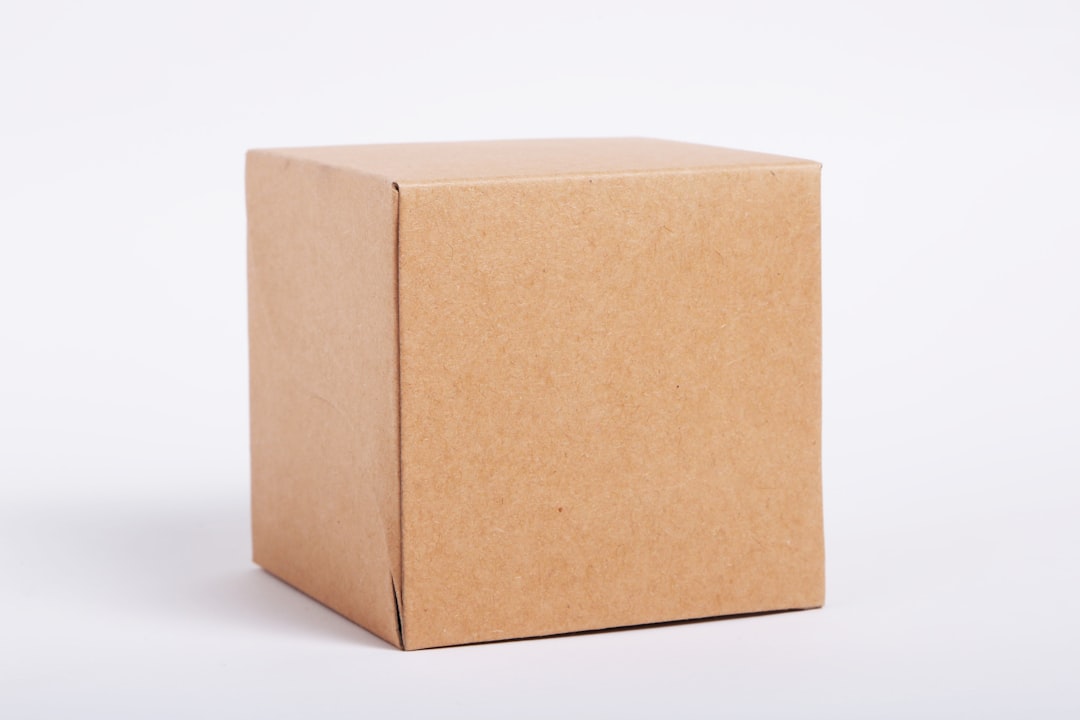
Cartons and boxes packaging refers to paperboard- and corrugated-based containers used to protect, transport, and present products. While the terms are often used interchangeably, they typically describe different use cases:
- Cartons are usually lighter-weight paperboard packages used for retail display.
- Boxes are often corrugated structures designed for shipping, storage, and protection.
Together, they support everything from branding and compliance to logistics and sustainability goals.
Common Types of Cartons & Boxes
Choosing the right format depends on product weight, distribution method, and presentation needs.
Folding Cartons
Folding cartons are made from paperboard and shipped flat, then folded into shape. They’re commonly used for cosmetics, food products, pharmaceuticals, and consumer goods.
These cartons are ideal for:
- High-quality printing and graphics
- Lightweight products
- Retail shelf presentation
Corrugated Boxes
Corrugated boxes are built with fluted layers that provide strength and cushioning. They’re widely used for shipping, warehousing, and e-commerce.
Corrugated boxes are preferred for:
- Heavier or fragile items
- Bulk shipping
- Long-distance distribution
Rigid Boxes
Rigid boxes are pre-assembled and thicker than folding cartons. They’re often used for premium or luxury products where presentation is critical.
Specialty and Custom Boxes
Custom boxes allow brands to create unique sizes, structures, and opening experiences tailored to specific products.
Materials Used in Cartons & Boxes Packaging
Material selection impacts durability, cost, print quality, and environmental performance.
Paperboard
Paperboard is commonly used for folding cartons. It’s lightweight, printable, and suitable for direct consumer-facing packaging.
Corrugated Fiberboard
Corrugated materials combine linerboard with fluted layers to provide strength and shock absorption. Different flute sizes offer varying levels of protection.
Coatings and Treatments
Cartons and boxes may include coatings for moisture resistance, grease barriers, or enhanced durability, especially for food and industrial applications.
Industries That Use Cartons & Boxes
Cartons and boxes are used across nearly every industry.
Food & Beverage
Used for cereals, frozen foods, beverages, and multipacks, with an emphasis on safety and shelf appeal.
Cosmetics & Personal Care
Folding cartons provide branding space and protection for bottles, tubes, and jars.
Pharmaceuticals & Healthcare
Cartons support labeling, compliance, and tamper-evident features for regulated products.
E-commerce & Retail
Corrugated boxes are essential for shipping, returns, and order fulfillment.
Industrial & Manufacturing
Boxes protect components, equipment, and bulk items during storage and transport.
Benefits of Cartons & Boxes Packaging
Cartons and boxes remain popular due to several advantages.
Strong Product Protection
Corrugated structures absorb impact and reduce damage during shipping.
Excellent Branding Opportunities
Large printable surfaces allow for graphics, instructions, and regulatory information.
Cost-Effective and Scalable
Standard sizes and materials support efficient manufacturing and logistics.
Sustainability-Friendly
Paper-based packaging is widely recyclable and often made from renewable resources.
Limitations and Considerations
Despite their versatility, cartons and boxes require thoughtful planning.
- Limited moisture resistance without coatings
- Structural strength depends on proper material selection
- Custom designs may increase tooling and setup costs
- Over-packaging can impact sustainability goals
Balancing protection, cost, and environmental impact is key.
Custom Cartons & Boxes Options
Custom boxes and cartons help brands differentiate and improve performance.
Structural Design
Custom dielines, inserts, and partitions can improve protection and presentation.
Printing and Graphics
Options include offset printing, digital printing, embossing, and specialty finishes.
Size Optimization
Custom sizing reduces void fill, shipping costs, and material waste.
Custom boxes are especially valuable for e-commerce, subscription products, and premium retail packaging.
Regulations and Compliance
Cartons and boxes may need to meet industry-specific requirements.
- FDA regulations for food-contact packaging
- Labeling and traceability requirements
- Shipping and handling standards for hazardous or fragile goods
Working with knowledgeable suppliers helps ensure compliance from design through delivery.
How to Choose a Cartons & Boxes Supplier
Selecting the right partner affects cost, quality, and scalability.
Material and Design Expertise
Suppliers should understand strength requirements, printing methods, and distribution challenges.
Production Capabilities
Consider capacity, consistency, and ability to support growth.
Quality Control
Dimensional accuracy, print quality, and material integrity are critical.
Lead Times and Logistics
Reliable turnaround times help prevent supply chain disruptions.
Trends in Cartons & Boxes Packaging
The market continues to evolve in response to sustainability and e-commerce growth.
- Increased use of recycled and FSC-certified materials
- Lightweighting and right-sizing initiatives
- Growth in e-commerce-friendly box designs
- Demand for minimal, clean packaging aesthetics
These trends highlight the ongoing importance of cartons and boxes in modern packaging strategies.
Learn more
If you’re exploring packaging formats that balance protection, branding, and shipping efficiency, reviewing related container types and customization options can help you determine how cartons and boxes fit into your overall packaging approach.
Explore more packaging solutions
Browse our full collection of packaging product guides to learn more about bottles, pouches, labels, and other packaging formats used across retail, e-commerce, pharmaceutical, and industrial markets.
8 thoughts on “Cartons and Boxes Packaging: Design, Materials & Uses”