
Vial packaging is a critical container format for products that require precision, protection, and strict compliance. Most commonly associated with pharmaceuticals and healthcare, vials are also used in laboratories, diagnostics, cosmetics, and specialty industrial applications where small volumes and product integrity matter.
This guide explains what vial packaging is, the materials and formats available, where vials are commonly used, and how to choose the right vial packaging supplier.
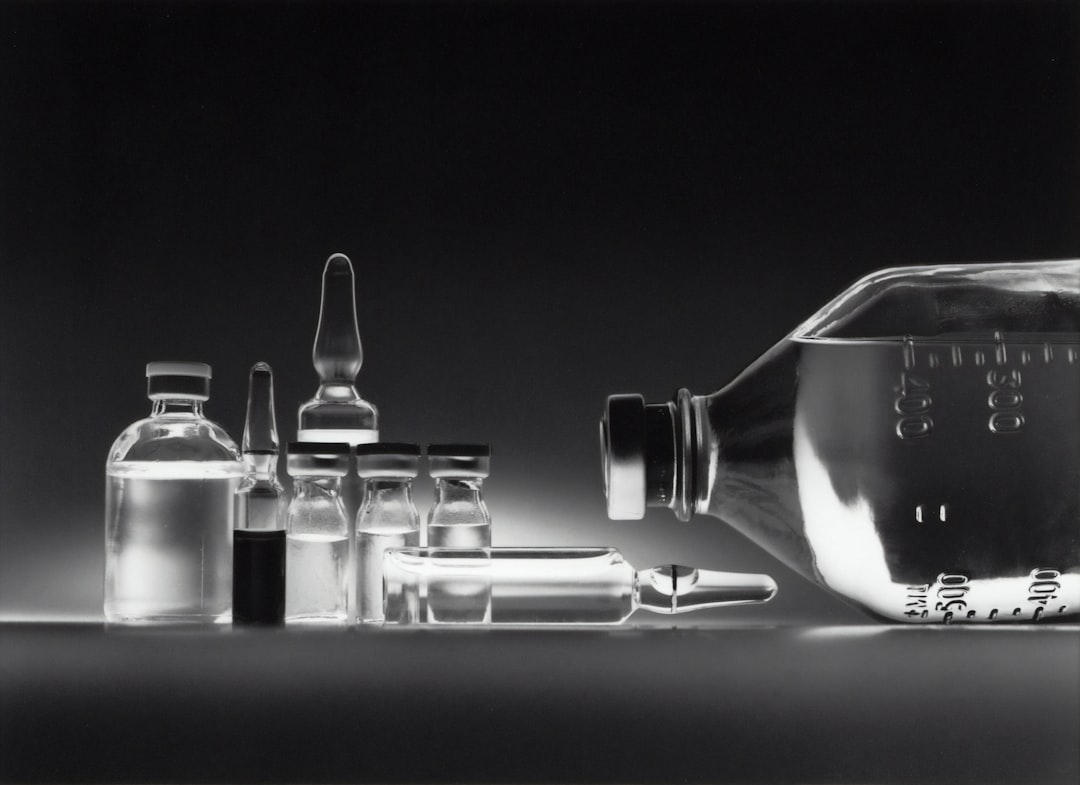
What Is Vial Packaging?
Vial packaging refers to small, rigid containers designed to hold liquids, powders, or lyophilized products in precise quantities. Vials are typically sealed with stoppers, crimp caps, or screw caps to protect contents from contamination, evaporation, and degradation.
Because of their size and function, vials are often used for high-value, regulated, or sensitive products that require controlled handling and accurate dosing.
Common Types of Vial Packaging
Different applications require different vial designs and closure systems.
Serum and Injection Vials
These vials are commonly used for injectable medications, vaccines, and biologics. They are designed for sterility, compatibility with needles, and tight sealing.
Sample and Laboratory Vials
Laboratory vials are used for diagnostics, testing, and sample storage. They often prioritize chemical resistance and dimensional accuracy.
Cosmetic and Skincare Vials
Small glass vials are used for serums, ampoules, and concentrated skincare treatments where premium presentation and product purity are important.
Industrial and Specialty Vials
Vials are also used for inks, dyes, reagents, oils, and specialty chemicals requiring small-volume containment.
Materials Used in Vial Packaging
Material selection plays a crucial role in product stability and compliance.
Glass Vials
Glass vials are the most widely used type of vial packaging, especially in pharmaceuticals.
Common glass types include:
- Type I borosilicate glass: High chemical resistance and thermal stability
- Type II treated soda-lime glass: Improved resistance for aqueous products
- Type III soda-lime glass: Used for non-parenteral applications
Glass vials offer excellent barrier protection and do not interact with most formulations.
Plastic Vials
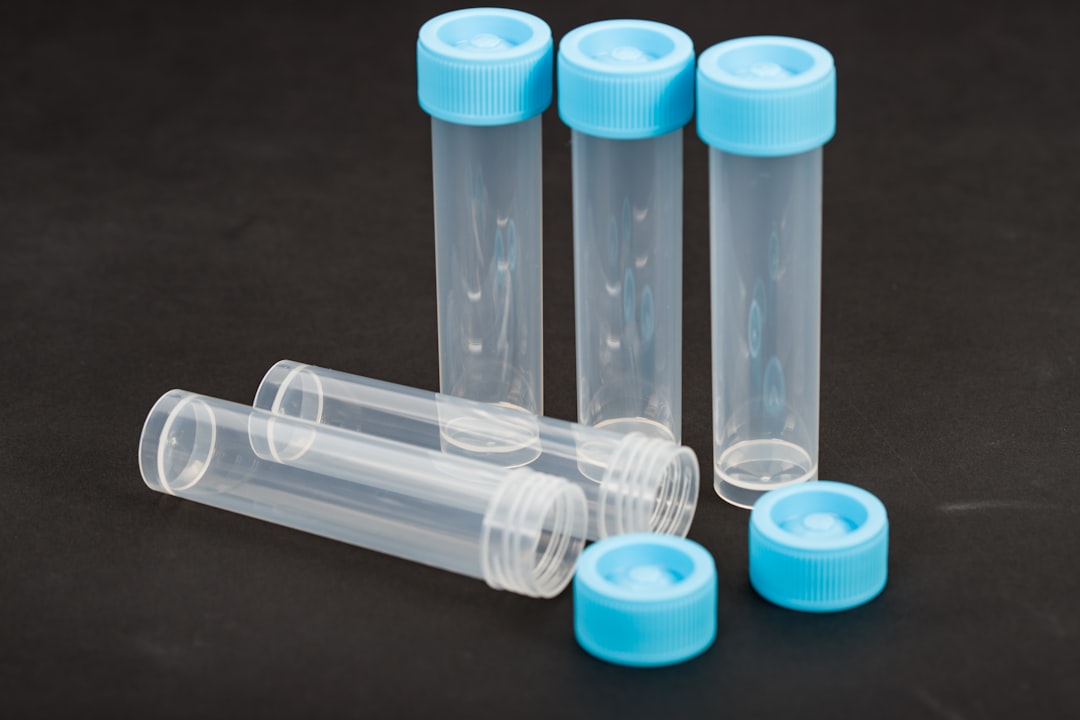
Plastic vials are typically made from materials such as polypropylene (PP) or polyethylene (PE). They are lighter and more impact-resistant than glass and are often used for samples, diagnostics, and non-injectable products.
Industries That Use Vial Packaging
Vial packaging is used across multiple regulated and technical industries.
Pharmaceuticals & Biotechnology
Pharmaceutical vials are essential for injectable drugs, vaccines, and clinical trial materials.
Healthcare & Diagnostics
Diagnostic reagents, test kits, and sample containers rely on precise vial packaging.
Cosmetics & Personal Care
High-concentration serums and specialty skincare products often use small vials for dosing and presentation.
Laboratories & Research
Research facilities use vials for chemical storage, testing, and experimentation.
Industrial & Specialty Applications
Vials store small quantities of chemicals, inks, and specialty fluids requiring controlled handling.
Benefits of Vial Packaging
Vial packaging offers several key advantages.
Precision and Accuracy
Vials support exact dosing and measurement for critical applications.
Product Protection
Tight sealing and barrier properties help maintain stability and sterility.
Regulatory Acceptance
Vials are widely accepted in regulated industries, particularly pharmaceuticals.
Compact and Efficient
Small size supports efficient storage, shipping, and handling of high-value products.
Limitations and Considerations
Despite their advantages, vials require careful evaluation.
- Glass vials are fragile and require protective packaging
- Compatibility testing is essential for injectable and sensitive products
- Strict regulatory requirements increase complexity
- Filling and sealing processes require specialized equipment
Understanding these factors helps ensure safe and effective vial usage.
Customization Options for Vial Packaging
Vial packaging can be customized to meet functional and branding needs.
Size and Volume
Vials are available in a wide range of volumes, from fractions of a milliliter to larger sample sizes.
Closures and Seals
Options include rubber stoppers, aluminum crimp caps, flip-off seals, and screw caps.
Color and Finish
Clear, amber, and tinted vials protect products from light exposure.
Labeling and Identification
Vials can be labeled, printed, or marked for traceability and branding.
Regulations and Compliance
Vial packaging is subject to some of the most stringent packaging regulations.
- FDA requirements for pharmaceutical packaging
- USP standards for glass containers
- Sterility and contamination control guidelines
- Labeling and traceability regulations
Working with compliant suppliers is essential for regulated applications.
How to Choose a Vial Packaging Supplier
Selecting the right supplier is critical for safety and consistency.
Regulatory and Quality Expertise
Suppliers should understand pharmaceutical and laboratory standards.
Material and Compatibility Knowledge
Experience with glass chemistry and formulation interaction is essential.
Quality Control and Testing
Dimensional accuracy, sterility assurance, and inspection processes are critical.
Scalability and Lead Times
Reliable production supports clinical trials, launches, and commercial scale-up.
Trends in Vial Packaging
Vial packaging continues to evolve with advances in healthcare and technology.
- Increased demand for injectable and biologic drugs
- Growth in ready-to-fill vial systems
- Lightweight and strengthened glass designs
- Expansion of specialty and cosmetic vial applications
These trends highlight the continued importance of vial packaging in regulated markets.
Learn more
If you’re evaluating packaging formats that prioritize precision, compliance, and product protection, exploring related container systems and regulated packaging options can help determine whether vial packaging is the right fit for your application.
Explore more packaging solutions
Browse our full collection of packaging product guides to learn more about bottles, jars, droppers, tubes, and other solutions used across pharmaceutical, cosmetic, laboratory, and specialty markets.