
Custom packaging for small businesses is no longer a luxury reserved for major brands with massive budgets. In 2026, more suppliers than ever are catering to startups, indie brands, and small-batch producers who want professional, branded packaging without ordering 50,000 units upfront. But navigating MOQs, hidden costs, and supplier selection can feel overwhelming if you’re doing it for the first time.
This guide breaks down everything small business owners need to know about custom packaging — from realistic cost expectations to finding the right supplier for your budget and volume.
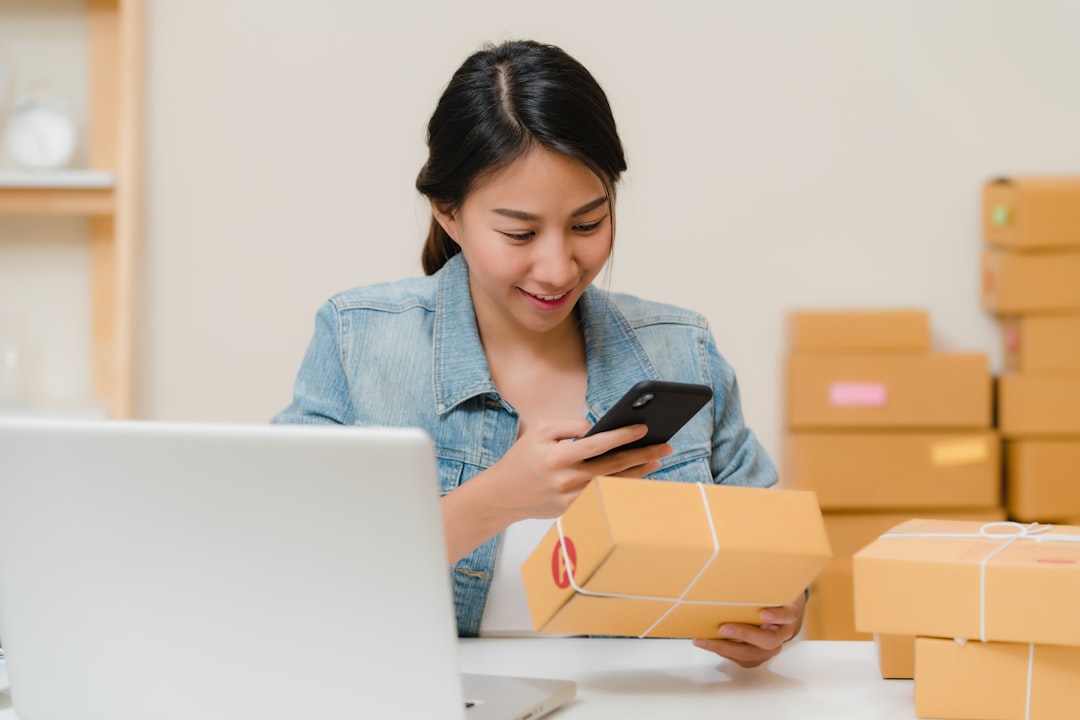
Why Custom Packaging for Small Businesses Is Worth the Investment
First impressions matter. Studies consistently show that packaging influences purchasing decisions as much as the product itself. For small businesses competing against established brands on Amazon, Etsy, or retail shelves, custom packaging is one of the most powerful tools for standing out.
Custom packaging for small businesses delivers:
- Brand recognition — consistent colors, logos, and design language build trust
- Unboxing experience — memorable packaging drives social media shares and repeat purchases
- Professional credibility — generic packaging signals “amateur,” while custom packaging signals “established brand”
- Product protection — packaging designed for your specific product reduces damage and returns
The question isn’t whether custom packaging is worth it — it’s how to get it without breaking the bank.
Understanding MOQs: The Biggest Barrier for Small Businesses
MOQ stands for Minimum Order Quantity — the smallest number of units a supplier will produce in a single run. For custom packaging for small businesses, MOQs are often the first and biggest hurdle.
Typical MOQ ranges by packaging type:
- Corrugated mailer boxes — 50 to 500 units (most accessible for small brands)
- Folding cartons — 500 to 2,000 units
- Custom bottles and jars — 1,000 to 5,000 units (higher for custom molds)
- Flexible pouches — 1,000 to 5,000 units
- Custom tubes — 2,000 to 10,000 units
- Rigid boxes — 200 to 1,000 units
- Custom airless packaging — 3,000 to 10,000 units
Why MOQs exist: Suppliers need minimum volumes to cover setup costs like plate-making, die-cutting, and machine calibration. Lower MOQs typically mean higher per-unit costs because those fixed costs are spread across fewer units.
Pro tip: Ask suppliers about stock packaging with custom labels or printing as an alternative to fully custom packaging. This often drops MOQs dramatically — sometimes to as low as 25-50 units.
How Much Does Custom Packaging for Small Businesses Actually Cost?
Pricing varies wildly depending on material, complexity, printing, and volume. Here are realistic cost ranges small businesses should expect:
Per-Unit Costs by Packaging Type
- Custom printed mailer boxes — $1.50 to $5.00 per unit (at 100-500 qty)
- Folding cartons with full-color printing — $0.50 to $3.00 per unit (at 500-2,000 qty)
- Custom glass bottles or jars — $1.00 to $8.00 per unit depending on size and finish
- Custom stand-up pouches — $0.30 to $1.50 per unit (at 1,000+ qty)
- Rigid gift boxes — $3.00 to $15.00 per unit depending on materials and finishing
- Custom labels only — $0.10 to $0.75 per label (the budget-friendly starting point)
Hidden Costs to Watch For
Many small business owners focus on per-unit pricing and miss the extras that inflate total cost:
- Tooling and die charges — $200 to $2,000+ for custom molds or cutting dies (one-time cost)
- Plate and screen fees — $50 to $500 for printing setup
- Design fees — $100 to $1,000+ if the supplier handles artwork
- Sample charges — $25 to $200 for pre-production samples (sometimes refunded on order)
- Shipping and freight — can add 10-25% to your total cost, especially from overseas suppliers
The real cost formula: Per-unit price × quantity + tooling + setup + shipping = your actual investment. Always request fully itemized quotes.
Custom Packaging for Small Businesses: 5 Ways to Reduce Costs
Smart small business owners use these strategies to get professional custom packaging without overspending:
1. Start With Custom Labels on Stock Packaging
The most cost-effective entry point into custom packaging for small businesses is purchasing standard bottles, boxes, or pouches and applying custom labels. MOQs can be as low as 25 units, and you avoid all tooling costs.
2. Choose Digital Printing Over Offset
Digital printing has no plate fees and supports lower quantities — perfect for runs under 2,000 units. The print quality has improved dramatically, with digital printing technologies maturing significantly in 2026.

3. Simplify Your Design
Fewer colors, simpler finishes, and standard sizes all reduce costs. A one-color logo on kraft paper can look more premium than a four-color print on cheap white board.
4. Order Strategically
If you can forecast demand, ordering larger quantities less frequently saves significantly on per-unit costs. A 2,000-unit order might cost 40% less per unit than a 500-unit order.
5. Get Multiple Quotes
Never accept the first quote. Request pricing from at least three suppliers — platforms like Packaura let you compare packaging suppliers and capabilities to find the best value for your volume.
How to Find Custom Packaging Suppliers for Small Businesses
Not every supplier wants to work with small businesses. Here’s how to find ones that do:
Look for these signals:
- Low MOQs advertised — suppliers who prominently display low minimums are set up for small runs
- Digital printing capabilities — indicates they serve short-run customers
- Sample programs — suppliers with easy sample ordering expect to work with newer brands
- Flexible pricing tiers — multiple volume levels shows they accommodate different business sizes
Where to search:
- Packaging marketplaces — platforms like Packaura aggregate suppliers and let you filter by MOQ, material, and capability
- Industry directories — the Packaging Digest supplier directory lists suppliers by category
- Trade shows — Pack Expo, Luxe Pack, and regional packaging shows let you meet suppliers face-to-face
- Referrals — ask other small business owners in your industry who they use
Choosing Between Domestic and Overseas Suppliers
This is one of the biggest decisions for custom packaging for small businesses. Both options have clear trade-offs:
Domestic suppliers:
- Lower MOQs — many U.S. suppliers cater specifically to small businesses
- Faster turnaround — 2-4 weeks vs. 8-12 weeks for overseas
- Easier communication — same time zone, no language barriers
- Higher per-unit cost — typically 30-60% more than overseas alternatives
Overseas suppliers (primarily China):
- Lower per-unit pricing — significant savings at higher volumes
- Higher MOQs — often 3,000-10,000 minimum
- Longer lead times — 6-12 weeks including ocean freight
- Import considerations — customs, duties, and quality inspection challenges
The sweet spot for most small businesses: Start domestic with lower quantities to validate your packaging, then consider overseas suppliers once your volumes justify the higher MOQs and longer timelines.
Custom Packaging for Small Businesses: Common Mistakes to Avoid
Learning from others’ mistakes saves you time and money:
- Ordering too many units on your first run — start small, test with customers, then scale
- Ignoring total landed cost — a cheap per-unit price means nothing if shipping doubles your expense
- Skipping samples — never approve a production run without physically holding a sample
- Over-designing — complex packaging with foil stamping, embossing, and spot UV looks amazing but may not fit your margins
- Forgetting regulatory requirements — food, cosmetics, and supplements have specific packaging compliance requirements you must meet
- Not planning for growth — choose a supplier who can scale with you from hundreds to thousands of units
Your Custom Packaging Action Plan
Ready to invest in custom packaging for your small business? Follow these steps:
- Define your needs — packaging type, material, size, and estimated monthly volume
- Set a realistic budget — include tooling, setup, and shipping in your calculations
- Request quotes from 3-5 suppliers — use platforms like Packaura to compare options efficiently
- Order samples — evaluate quality, fit, and print accuracy before committing
- Start with your hero product — package your best-seller first, then expand to your full line
- Collect customer feedback — let your audience’s reaction guide future packaging decisions
Custom packaging for small businesses is an investment that pays for itself through stronger brand perception, better customer experiences, and higher repeat purchase rates. The barrier to entry has never been lower — the only question is when you’ll start.
Frequently Asked Questions
How much does custom packaging cost for a small business?
Custom packaging for small businesses typically ranges from $0.50 to $15.00 per unit depending on the packaging type, material, printing, and order quantity. Custom mailer boxes at 100-500 units run $1.50-$5.00 each, while custom labels start as low as $0.10 each. Always factor in tooling, setup fees, and shipping for the true total cost.
What is the lowest MOQ for custom packaging?
The lowest MOQs for custom packaging are typically 25-100 units for custom labels on stock packaging, 50-500 units for custom printed mailer boxes, and 200-1,000 units for rigid boxes. Fully custom molded packaging like bottles or jars usually starts at 1,000-5,000 units minimum.
Is it cheaper to order custom packaging from China?
Per-unit costs from Chinese suppliers are typically 30-60% lower than domestic options. However, overseas ordering comes with higher MOQs (often 3,000-10,000), longer lead times (6-12 weeks), shipping costs, import duties, and quality control challenges. For small businesses, domestic suppliers are often more cost-effective until your volumes reach several thousand units.
How do I start with custom packaging on a tight budget?
Start with custom labels on stock packaging — this requires the lowest MOQs and no tooling costs. Use digital printing to avoid plate fees. Choose simple designs with fewer colors. Order from domestic suppliers who offer low minimums. And always compare quotes from multiple suppliers to find the best value.
What’s the difference between digital and offset printing for packaging?
Digital printing has no plate fees, supports low quantities (even 1 unit), and allows easy design changes between runs. Offset printing requires plate creation ($50-$500+) but delivers lower per-unit costs at high volumes and supports special inks like metallic or Pantone colors. For small businesses ordering under 2,000 units, digital printing is almost always the better choice.