
Cold chain packaging for pharmaceuticals must hold tightly controlled temperature ranges — typically 2°C to 8°C for vaccines and biologics, or -20°C to -80°C for mRNA products — across multi-day shipments through global logistics networks. A single excursion outside the validated range can void million-dollar batches and trigger FDA reportable events. This guide examines the qualified shipper systems, phase-change materials, and validation protocols that pharma supply chain teams rely on.
Passive vs. Active Temperature Control
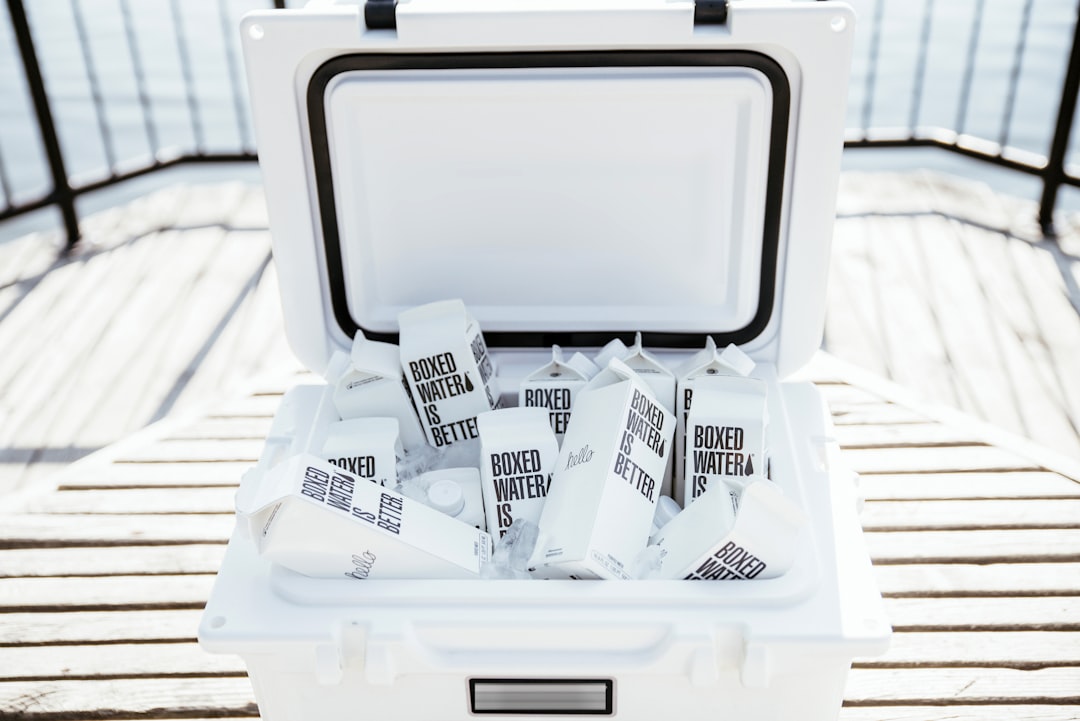
Passive cold chain shipping uses insulated containers and phase-change materials (PCMs) to maintain temperature without external power. Active systems integrate compressors, batteries, and microcontrollers for longer durations and tighter control. Cold chain packaging decisions hinge on shipment duration, temperature tolerance, and budget per kilogram of payload.
Passive solutions from suppliers like Pelican BioThermal, va-Q-tec, and Cold Chain Technologies typically provide 96-120 hours at 2-8°C using vacuum-insulated panels (VIPs) and engineered PCMs. Active reefer containers from CSafe and DoKaSch offer multi-week control but cost 3-10x more per shipment. The FDA biologics guidance outlines temperature monitoring requirements for licensed biological products.
Phase Change Materials and Coolant Selection
PCMs absorb and release thermal energy at specific transition temperatures, providing stable thermal buffering. Common formulations include water (0°C), refrigerated gel packs (4-5°C), and engineered salt hydrates or paraffin wax PCMs tuned to 5°C, -20°C, or -70°C transition points. Pre-conditioning PCMs in environmental chambers before pack-out is critical — incorrectly conditioned coolants are the leading cause of temperature excursions.
The number of PCM units, their placement around the payload, and the conditioning temperature all derive from validation studies. Our packaging testing and quality assurance methods breakdown explains the test protocols that confirm a shipper system performs as designed under summer and winter ambient profiles.
Insulation Technologies: EPS, PUR, and Vacuum Panels
Expanded polystyrene (EPS) remains the workhorse insulator for short-duration shipments due to low cost, but its lambda value (thermal conductivity around 0.033 W/m·K) limits performance for multi-day journeys. Polyurethane (PUR) foam offers slightly better insulation. Vacuum-insulated panels (VIPs) achieve lambda values as low as 0.005 W/m·K, enabling smaller, lighter shippers with longer hold times.
VIPs cost 5-10x more than EPS per unit area but reduce overall shipper volume and weight, often paying back through air freight savings on dense pharma payloads. Packaging Digest covers comparative VIP performance data across leading suppliers.
Validation, Mapping, and Regulatory Documentation
Pharma cold chain shippers require documented validation per ISTA 7E standards or USP <1079> guidance. Validation involves ambient profile selection (summer extreme, winter extreme, controlled ambient), payload simulation with worst-case mass, and minimum 5 replicates per profile. Temperature data loggers with NIST-traceable calibration certificates record performance across the qualification cycle.
Operational qualification (OQ) and performance qualification (PQ) documentation must be available for FDA inspection, GMP audits, and customer due diligence. Most pharma manufacturers require shipper validation reports as part of supplier onboarding.
IoT Monitoring and Real-Time Visibility
Real-time temperature monitoring via cellular and Bluetooth data loggers has transitioned from optional to expected for high-value shipments. Devices from Sensitech, ELPRO, and Berlinger transmit location and temperature data to cloud dashboards, enabling proactive intervention when shipments approach excursion thresholds. Some logistics platforms now integrate predictive analytics that flag at-risk shipments before excursions occur.
For brands extending cold chain practices to nutraceuticals, probiotics, or specialty foods, the same passive shipper platforms scale down. Combine these solutions with the rigor outlined in our pharmaceutical packaging requirements guide to build an end-to-end temperature-controlled supply chain.
Frequently Asked Questions
What temperature range must vaccine cold chain packaging maintain?
Most vaccines require 2°C to 8°C, while mRNA products like COVID-19 vaccines need ultra-cold conditions of -20°C to -80°C depending on the formulation.
How long do passive pharma shippers typically last?
Qualified passive shippers using VIPs and engineered PCMs commonly hold 2-8°C for 96-120 hours under standard ISTA 7E ambient profiles.
What is the difference between OQ and PQ for cold chain shippers?
Operational qualification verifies the shipper performs to specifications under controlled conditions; performance qualification confirms it works in real-world shipping lanes.
Are vacuum-insulated panels worth the higher cost?
VIPs reduce shipper volume and weight, often paying back through air freight savings and longer hold times for high-value pharma shipments.
Do all pharma cold chain shipments need real-time monitoring?
Real-time monitoring is standard for high-value biologics and clinical trial materials, and increasingly required by major pharma clients across all temperature-controlled shipments.
1 thought on “Cold Chain Packaging Solutions for Pharmaceutical Shipping”