
Mono-material packaging has emerged as the dominant design strategy for brands targeting recyclability gains under EPR fee schedules and the EU Packaging and Packaging Waste Regulation. By eliminating multi-substrate laminates that confound material recovery facilities, mono-material structures unlock recycling stream eligibility, reduce EPR liability, and simplify supply chain documentation. This guide covers the polyolefin innovations, barrier technologies, and converter capabilities driving mono-material adoption across food, personal care, and home care.
Why Mono-Material Beats Multi-Layer
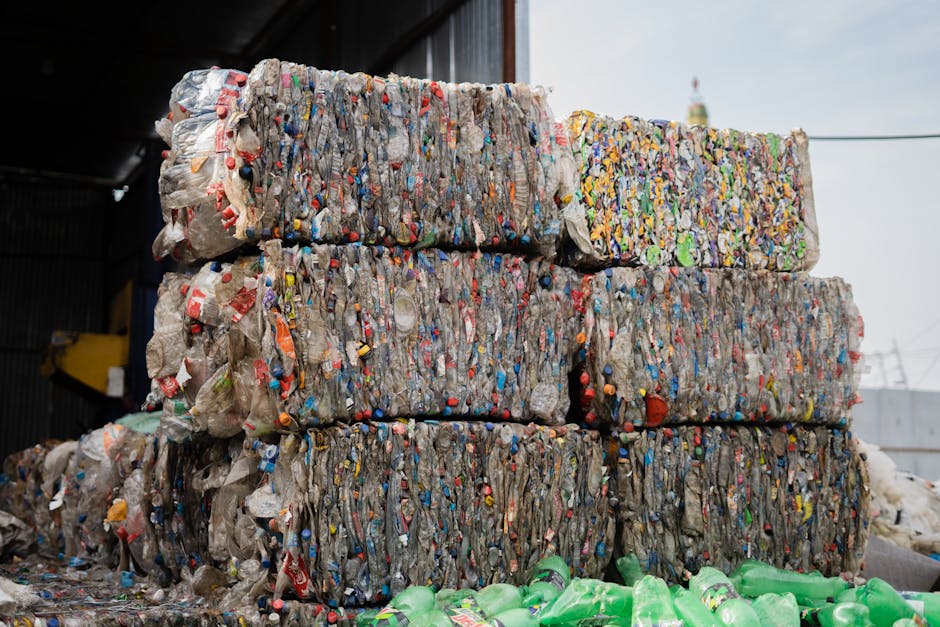
Traditional flexible pouches often combine PET, aluminum foil, and polyethylene in a single laminate to deliver oxygen barrier, printability, and seal integrity. While performant, these multi-substrate structures cannot be effectively separated at MRFs and end up in landfill or energy recovery. Mono-material packaging built entirely from PE, PP, or paper-based substrates qualifies for established recycling streams and earns reduced EPR fees in jurisdictions like Germany, France, and California.
The shift is structural: Sustainable Packaging Coalition tracks the rapid expansion of mono-PE film grades from suppliers like Dow, Borealis, and ExxonMobil that approach the barrier and stiffness performance of multi-substrate alternatives.
Polyethylene Mono-Material Pouches
Mono-PE pouches dominate the mono-material pivot in flexible packaging. Machine direction oriented (MDO) HDPE film provides stiffness and dead-fold properties similar to PET, while metallocene linear low-density PE (mLLDPE) sealant layers deliver hot tack and seal strength. Coextruded structures with EVOH oxygen barrier remain mono-material qualifying because EVOH percentage stays below the 5% threshold most recyclers tolerate.
Brands like Mondelez (snack pouches), Henkel (laundry detergent pouches), and Nestlé (pet food bags) have launched mono-PE replacements for legacy multi-laminate structures. Our flexible packaging vs rigid packaging comparison details where mono-PE flexibles fit into the broader format mix.
Polypropylene Mono-Material for Premium Categories
Mono-PP structures suit applications requiring higher temperature resistance, clarity, or stiffness — confectionery, premium snacks, and personal care squeeze tubes. Biaxially oriented polypropylene (BOPP) films offer excellent print quality and clarity, while CPP sealant layers provide seal strength up to 200°C for retort applications.
The challenge with mono-PP is recycling stream eligibility. While PP recycling exists, infrastructure is less developed than PE in most U.S. states. Association of Plastic Recyclers (APR) publishes design guides specifying which mono-PP structures qualify for their recyclability recognition program.
Barrier Technologies That Preserve Recyclability
Achieving the oxygen and moisture barriers that products require — without breaking the mono-material promise — is the central technical challenge. Solutions include EVOH coextrusion at sub-5% mass fraction, SiOx vacuum metallized coatings, AlOx coatings, and emerging cellulose-based barrier coatings from companies like Stora Enso and Mondi.
Metallized films that look like aluminum laminates but use thin SiOx or AlOx coatings preserve recyclability while delivering oxygen transmission rates below 1 cc/m²/day, sufficient for most snack and personal care applications. These barrier coatings add 10-20% to film cost but unlock EPR fee reductions that often justify the premium.
Paper-Based Mono-Material Alternatives
Beyond polyolefins, paper-based mono-material structures are gaining ground for snack bags, candy wrappers, and personal care secondary packaging. Suppliers like Mondi, Stora Enso, and Sappi offer barrier-coated kraft papers compatible with vertical form-fill-seal equipment, achieving moisture and grease resistance through bio-based coatings.
Paper mono-material pouches recycle through standard fiber streams, achieving recovery rates above 70% in markets with curbside paper collection. Brands evaluating paper alternatives should review the pulp source certification (FSC, PEFC) and converter capabilities to ensure consistent runnability. Combine these material decisions with the framework in our sustainable packaging certifications explained guide to align supply choices with claimable certifications.
Frequently Asked Questions
What defines mono-material packaging?
Mono-material packaging uses a single polymer family (PE, PP, or paper) throughout the structure, allowing recycling through established single-stream recycling infrastructure.
Can mono-material pouches match multi-laminate barrier performance?
For most snack and personal care applications, yes. Mono-PE with EVOH or SiOx coatings achieves OTR below 1 cc/m²/day, sufficient for 6-12 month shelf life.
Are mono-material packages more expensive?
Initial film costs may be 10-20% higher, but reduced EPR fees and simpler waste handling typically offset the premium within 12-18 months.
What is MDO film?
Machine direction oriented film is HDPE that has been stretched in the machine direction to improve stiffness, optical clarity, and barrier performance, mimicking PET properties.
Do paper mono-material pouches need a barrier layer?
Most paper pouches require bio-based barrier coatings to provide moisture, oxygen, or grease resistance while maintaining curbside paper recycling eligibility.
2 thoughts on “11 Crucial Mono-Material Packaging Strategies for 2026”