
“Eco-friendly” packaging isn’t one thing — it’s at least two competing systems, and picking the wrong one for your market can mean containers that end up in a landfill no matter what the label promises. Compostable and recyclable packaging both sound like the responsible choice, but they depend on completely different infrastructure to actually deliver an environmental benefit.
This guide breaks down how each system actually works, where each one falls apart in the real world, and how to decide which is the better fit for your restaurant, brand, or product line based on where your packaging will actually be thrown away.
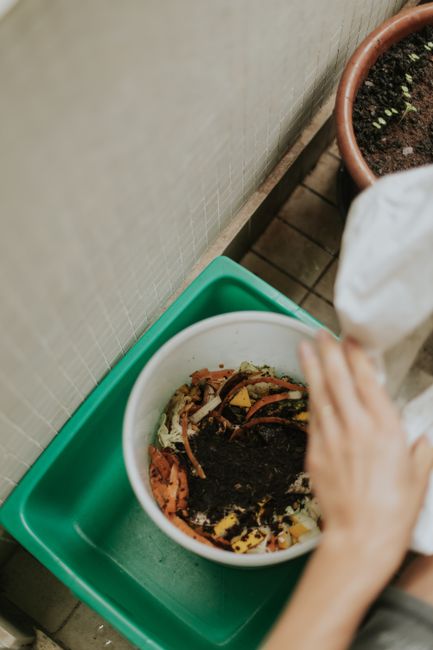
Quick Answer
Neither option is universally better — it depends on local infrastructure. Recyclable packaging (paper, cardboard, aluminum, PET, HDPE) is usually the safer default because curbside recycling and material recovery facilities are far more widespread than industrial composting. Compostable packaging (PLA, bagasse, molded fiber) is genuinely better only where households or businesses have real access to a composting program that accepts food-contact packaging — otherwise it typically ends up in a landfill, where it behaves like ordinary trash instead of breaking down.
How Each System Actually Works
Recyclable packaging is designed to be sorted, cleaned, shredded or melted, and remanufactured into new material — think a cardboard box becoming new cardboard, or a PET clamshell becoming new bottles or fiber. It relies on material recovery facilities (MRFs), which exist in most cities and towns, though what they’ll actually accept varies a lot by location. Look for How2Recycle labels, which the Sustainable Packaging Coalition created specifically to tell consumers whether an item is widely recyclable, limited, or store drop-off only.
Compostable packaging is designed to break down into water, CO2, and organic matter, but almost all food-service compostables (PLA cups, bagasse clamshells, molded fiber trays) are certified for industrial composting only, not your backyard bin. Certification bodies like BPI (Biodegradable Products Institute) test products against ASTM D6400 or D6868 standards, which require full breakdown in a commercial facility within roughly 90 to 180 days. That distinction matters: a product with a ‘compostable’ label but no BPI or equivalent certification hasn’t actually proven it breaks down anywhere.
The catch is access. Industrial composting facilities that accept packaging (not just yard waste or food scraps) are still a small subset of composting facilities overall, and many major cities have little to no curbside composting pickup. Some facilities have even stopped accepting certified compostable packaging because it’s hard to visually distinguish from regular plastic on a sorting line, which causes contamination in their finished compost.
Where Each Option Actually Wins
Recyclable packaging tends to win when your audience is spread across many regions, since paper, cardboard, glass, aluminum, and common plastics (PET #1, HDPE #2) are recycled almost everywhere in some form, even if not every material is accepted curbside in every city. It also wins on shelf life and food-safety performance for many products, since well-established recyclable materials like glass and aluminum have decades of engineering behind their barrier properties.
Compostable packaging wins in closed-loop or localized settings: a college campus, stadium, festival, or corporate cafeteria with its own composting program and controlled disposal stream; a city with confirmed curbside or drop-off composting for packaging; or any business that composts its own food waste on-site and can add packaging to the same stream. In these cases, compostables solve a real problem — food-contaminated packaging (a greasy pizza box, a used coffee cup) that recycling facilities usually reject anyway.
A useful gut check: if food residue is unavoidable on the packaging (takeout containers, coffee cups with linings, produce bags with food waste stuck to them), compostable is often the more realistic option, because contaminated packaging is one of the biggest reasons recyclables get rejected at the sorting stage. If the packaging is typically food-residue-free (bottles, jars, dry-goods boxes), recyclable is usually the stronger and more widely supported choice.
Tips / Common Mistakes
Don’t assume ‘compostable’ means it will break down anywhere — check whether your city or region actually has a facility accepting certified compostable packaging before you commit to it, using resources like the Sustainable Packaging Coalition’s composting facility map or BPI’s infrastructure listings.
Don’t mix compostable and recyclable look-alikes in the same product line without clear labeling — a compostable cup that looks identical to a recyclable one causes contamination in whichever stream it lands in, and is one of the top reasons facilities reject entire batches.
Don’t rely on vague claims like ‘biodegradable’ or ‘eco-friendly’ as a stand-in for certification. Only trust third-party certification marks (BPI, ASTM D6400/D6868 for industrial compostable; How2Recycle or a clear resin ID for recyclable) since these require independent testing rather than self-declared claims.
Don’t ignore the disposal instructions on your own packaging. If you’re a brand or restaurant, print simple, honest disposal guidance on the packaging itself (‘Compostable where facilities exist — check locally’ or ‘Recycle curbside’) rather than a generic green leaf icon that overstates what the material can actually do.
Don’t overlook reduction and reuse. Both compostable and recyclable packaging still consume resources to manufacture and transport; cutting unnecessary packaging or switching to reusable systems where feasible often beats optimizing between these two disposal paths.
Explore more: More sustainability guides.
Compostable vs Recyclable Food Packaging FAQs
Is compostable packaging always better for the environment than recyclable packaging?
No. Compostable packaging only delivers its intended benefit when it actually reaches a facility equipped to compost it, which is far less common than recycling access. Without that infrastructure, compostable packaging typically ends up in a landfill like regular trash.
Can I put compostable packaging in my home compost bin?
Usually not reliably. Most food-service compostable packaging (PLA cups, bagasse containers) is certified for industrial composting, which uses higher and more consistent heat than a home compost pile. Look specifically for ‘home compostable’ certification if that’s your disposal method.
How do I know if compostable packaging is legitimate and not just greenwashing?
Look for a recognized third-party certification mark, such as BPI Certified Compostable or compliance with ASTM D6400/D6868 standards, and verify the certification number if one is provided. Generic terms like ‘biodegradable’ or ‘eco-friendly’ without a certification aren’t reliable indicators.
Why do some recycling facilities reject food packaging?
Food residue, grease, and liquid contamination are among the most common reasons packaging gets rejected at material recovery facilities, because they can spoil an entire batch of otherwise recyclable material. This is one of the main reasons compostable packaging exists for food-contact items in the first place.
Source Smarter With Packaura Direct
Find packaging suppliers, surplus inventory, and certification — all on Packaura Direct. Try Packaura Direct.
Photo by Norma Mortenson on Pexels.