
“Degradable,” “biodegradable,” “oxo-degradable,” and “compostable” get thrown around on packaging labels as if they’re interchangeable. They aren’t, and mixing them up can get a brand accused of greenwashing, land packaging in the wrong waste stream, or run afoul of regulations that have already banned one of these categories outright.
This guide breaks down what oxo-degradable and compostable plastics actually are, how they behave in the real world, which one is backed by enforceable standards, and what to check before you put either claim on a package.
Quick Answer
Oxo-degradable plastic is conventional plastic (usually polyethylene or polypropylene) with a metal-salt additive that makes it break into smaller and smaller pieces through oxidation, heat, and UV light — it fragments rather than fully biodegrading, and it is not compostable or recyclable. Compostable plastic is a distinct material engineered to be fully converted by microorganisms into biomass, water, and CO2 within a defined timeframe, verified against a real standard (ASTM D6400 in the US, EN 13432 in Europe) and backed by third-party certification (BPI, TÜV Austria).
Oxo-Degradable Plastic: Why It’s Controversial
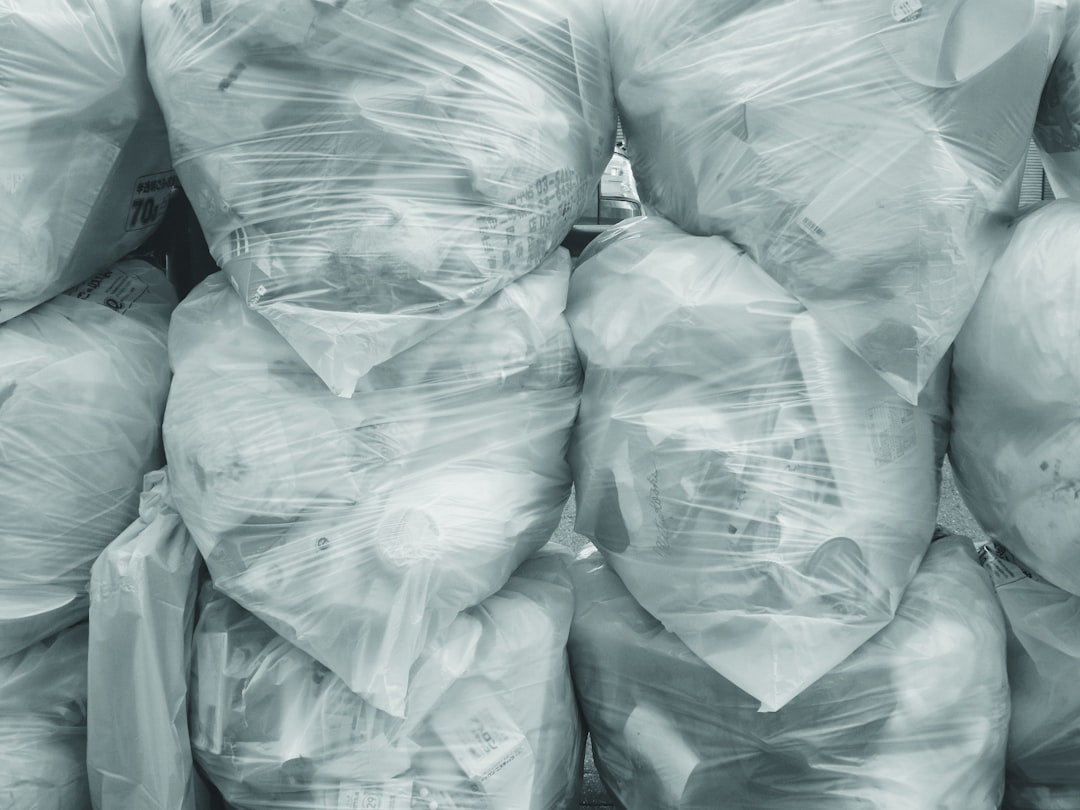
Oxo-degradable plastic is regular petroleum-based plastic dosed with a pro-oxidant additive (often a metal salt like cobalt or manganese stearate). Exposed to oxygen, heat, and sunlight, the additive speeds up oxidation and causes the plastic to become brittle and crumble into fragments. The problem is what happens next: those fragments are still plastic. Independent reviews found that oxo-degradable material doesn’t reliably continue breaking down at a molecular level, especially once it’s buried in landfill or floating in water where oxygen and UV exposure are limited — it just becomes microplastic, which is arguably worse than the intact packaging it came from.
Because of this, oxo-degradable plastic fails the tests required for both composting and biodegradability certification, and it cannot be composted or safely recycled — the additive contaminates standard polyethylene/polypropylene recycling streams. The regulatory response has been blunt: the EU’s Single-Use Plastics Directive banned oxo-degradable plastic products across the bloc starting July 2021, and Switzerland followed with its own ban in April 2022. In the US, oxo-degradable plastic isn’t illegal, but the FTC has repeatedly warned marketers that “oxo-degradable,” “oxo-biodegradable,” or unqualified “biodegradable” claims can be deceptive under its Green Guides unless backed by evidence the product fully breaks down within a year under normal disposal — and California law goes further, restricting the use of “degradable,” “biodegradable,” and “compostable” labeling on plastics that don’t meet specific state criteria.
Compostable Plastic: What the Certification Actually Requires
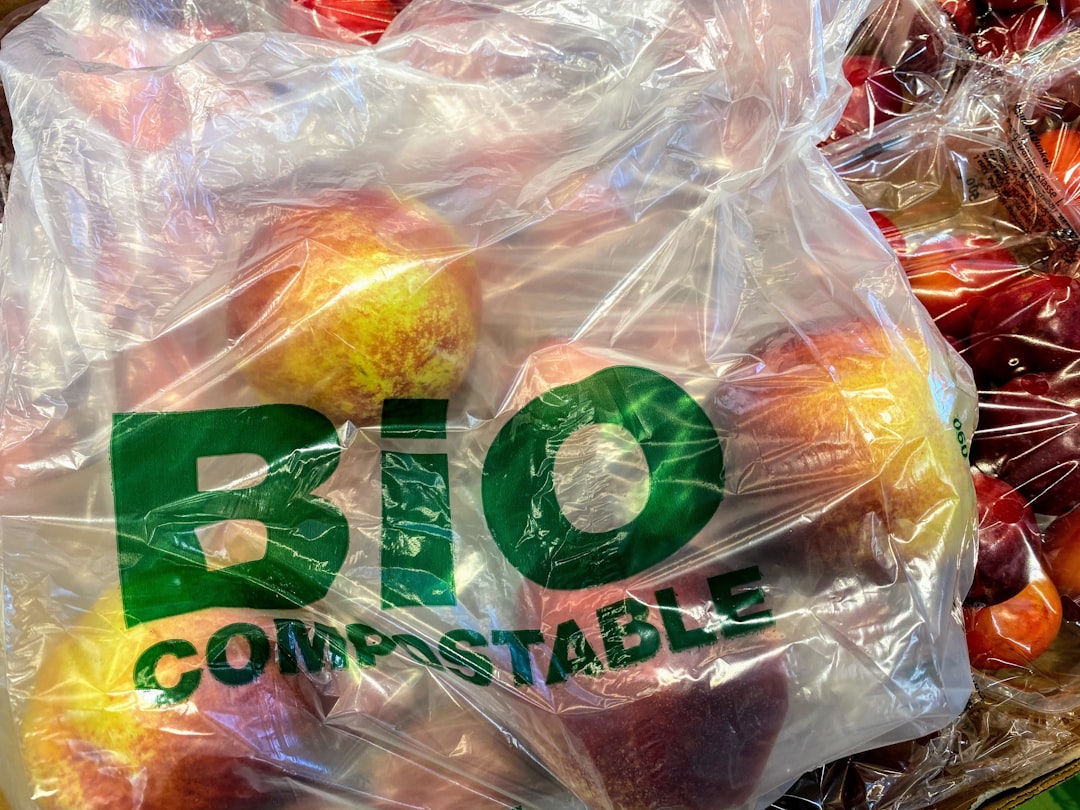
Compostable plastics (commonly PLA, PHA, or certain starch-based blends) are formulated from the outset to be consumed by microorganisms, not just to physically fall apart. To carry a legitimate compostable claim, a product has to pass standardized lab testing: ASTM D6400 in the US and EN 13432 in Europe both require at least 90% biodegradation within 180 days under industrial composting conditions, physical disintegration into fragments small enough to pass a 2mm sieve within about 12 weeks, and testing showing no harmful levels of heavy metals or ecotoxicity in the resulting compost. Products certified to one standard generally satisfy the other, though many brands still certify separately for each market.
The certification you actually see on a package matters as much as the underlying material. In the US, look for the BPI (Biodegradable Products Institute) certified compostable logo; in Europe and internationally, look for TÜV Austria’s “OK compost” or the Seedling logo. Critically, most compostable packaging on the market is only certified for industrial composting — it needs the sustained high heat (roughly 55–60°C) of a commercial composting facility, not a backyard bin. A separate certification, TÜV Austria’s “OK compost HOME,” exists specifically for material proven to break down in the cooler, less consistent conditions of home composting; BPI has also begun rolling out a combined commercial-and-home compostable certification. Don’t assume compostable packaging is home-compostable unless that claim is on the label with its own certification mark.
Tips / Common Mistakes
Don’t treat ‘biodegradable’ as a synonym for either term — it’s an unregulated umbrella claim with no defined timeframe or end state, and oxo-degradable marketers have relied on that vagueness for years. Always look for the actual certification logo and check the certifier’s database rather than trusting on-package text alone, since fake or expired compostable claims are common. Never put oxo-degradable plastic in a compost bin or recycling bin — it won’t compost, and the additive can degrade the quality of recycled polyethylene/polypropylene batches. If you’re specifying compostable packaging for a business, confirm your local area actually has industrial composting access before you commit; “industrially compostable” packaging that ends up in a landfill because no facility exists nearby delivers none of its environmental benefit. Finally, if you sell into the EU or Switzerland, oxo-degradable packaging isn’t just a bad look — it’s a compliance violation.
Explore more: Explore more packaging materials guides.
Oxo-Degradable vs Compostable Plastic Packaging FAQs
Is oxo-degradable plastic the same as biodegradable plastic?
No. Oxo-degradable plastic fragments into smaller plastic pieces through oxidation but doesn’t reliably fully biodegrade at the molecular level, especially in low-oxygen environments like landfills or water. Regulators and independent reviewers treat unqualified ‘biodegradable’ claims for oxo-degradable products as misleading.
Can compostable plastic go in a regular recycling bin?
No. Compostable plastics like PLA are chemically different from conventional recyclable plastics (PET, HDPE, etc.) and will contaminate a recycling batch if mixed in. They need to go into a composting stream, and only an industrial facility for most certified-compostable products.
Why was oxo-degradable plastic banned in the EU?
Under the Single-Use Plastics Directive (in force since July 2021), the EU concluded oxo-degradable plastic doesn’t properly biodegrade, isn’t suitable for composting or recycling, and instead breaks down into microplastics that persist in the environment — so it banned oxo-degradable products across member states.
How do I know if a compostable package is legitimately certified?
Check for a recognized third-party mark — BPI certified compostable in the US, or TÜV Austria’s OK compost/Seedling logo in Europe — and verify the specific product against the certifier’s public database rather than relying on printed claims alone.
Source Smarter With Packaura Direct
Find packaging suppliers, surplus inventory, and certification — all on Packaura Direct. Try Packaura Direct.
Photo: United States Environmental Protection Agency / Public domain, via Wikimedia Commons.