
If you’re building a brand and need custom boxes, mailers, pouches, or labels made in China, you’ll hit this fork in the road fast: work through a packaging sourcing agent, or go straight to factories yourself on platforms like Alibaba or 1688. Both routes can get you the same box — but they get you there with very different levels of risk, cost, and time investment.
This guide breaks down how each model actually works, where the real costs hide (commission fees vs your own labor, mistakes, and shipping surprises), and a simple framework for deciding which one fits your brand’s size and stage right now.

Quick Answer
A sourcing agent is usually the better choice for new or growing brands ordering custom packaging for the first few times, because they vet factories, manage quality control, and speak the language — both literally and in terms of manufacturing specs. Buying direct makes more sense once you have a proven, high-volume SKU, an established relationship with a reliable factory, and the internal bandwidth to manage communication, inspections, and logistics yourself.
How Each Model Actually Works
Buying direct means you find factories yourself, typically through Alibaba.com (for finished, ready-to-order suppliers) or 1688.com (China’s domestic wholesale marketplace, which has lower prices but is almost entirely in Mandarin and geared toward local buyers). You negotiate price and minimum order quantity (MOQ) directly, arrange your own samples, and are responsible for quality checks and shipping. Alibaba’s Trade Assurance program offers some protection — it holds payment until you confirm the order matches agreed specs and ships on time — but it only applies to suppliers who offer it, and it won’t catch every quality issue after the money moves.
A packaging sourcing agent sits between you and the factory floor. They use their existing factory network (often including smaller, specialized packaging manufacturers that don’t have strong English-language storefronts) to find suppliers that match your product, material, and budget requirements. Agents typically handle supplier vetting, price negotiation, sample coordination, in-person or third-party quality inspections before shipment, and consolidating multiple orders into one shipment. Most work on a commission model, commonly somewhere in the 3% to 10% range of order value depending on order size, complexity, and how much hands-on inspection and consolidation is included — larger orders usually land toward the lower end of that range.
Cost, Risk, and Control: Where the Tradeoffs Really Show Up
On paper, going direct looks cheaper because you skip the agent’s commission. In practice, that gap narrows once you account for wasted samples, packaging that arrives with the wrong dieline or color, MOQs you didn’t realize you were locked into, and the time you spend messaging factories that never respond. A good agent’s fee is often offset by better factory pricing (agents frequently get quotes closer to true wholesale than a first-time buyer would), fewer reorders due to defects, and consolidated freight that reduces per-unit shipping cost.
Import costs also matter more than they used to. The $800 duty-free de minimis exemption that once let small shipments from China clear US customs with minimal paperwork was eliminated for China and Hong Kong shipments in 2025, and tariff rates on Chinese-made goods have stayed elevated and subject to change. That means landed cost — product cost plus duties, freight, and customs handling — needs to be calculated up front rather than assumed, regardless of which sourcing route you choose. An experienced agent or freight forwarder who tracks current tariff classifications can help you avoid an unpleasant customs bill; going direct means that homework is on you.
Control is the other side of the tradeoff. Buying direct gives you a direct line to the factory, which can mean faster answers once you’ve built trust and no middleman fee. But it also means you’re the one catching packaging defects, chasing shipment delays, and resolving disputes with limited leverage as a small or first-time buyer. An agent adds a layer of communication but also a layer of accountability — reputable agents have an incentive to protect the relationship and will push back on a factory on your behalf.
Tips / Common Mistakes
Don’t choose based on commission rate alone — a cheap agent who skips in-person inspections can cost you more in reshipped defective packaging than a slightly pricier one who catches problems before the container ships. Always request physical samples before committing to a production run, whether you’re working with an agent or direct. Get MOQs, unit price, tooling or plate fees, and lead time in writing before paying a deposit, and clarify who is responsible for filing customs paperwork and duties on your side. If you go direct, stick to Alibaba’s Verified Supplier and Trade Assurance suppliers rather than unverified listings, and be wary of quotes that are dramatically lower than competitors — that’s a common red flag for corner-cutting on materials or a factory that won’t deliver as described. Finally, whichever route you pick, run a landed-cost calculation (product cost + freight + duties + agent fee, if any) before finalizing your packaging budget, since tariff and de minimis rules have shifted enough recently that last year’s numbers may no longer apply.
Explore more: more sourcing and business guides.
Packaging sourcing agent vs buying direct from China FAQs
Is a sourcing agent worth it for a small or new brand?
Usually yes for your first few production runs. The commission is offset by fewer costly mistakes — wrong specs, missed defects, or stuck-at-customs shipments — that are common when navigating Chinese factories for the first time without local support.
Can I use Alibaba without a sourcing agent?
Yes, especially if you stick to suppliers with Verified Supplier status and Trade Assurance, request samples before ordering, and are prepared to manage quality checks and shipping logistics yourself.
How much does a packaging sourcing agent typically charge?
Most work on commission, commonly in the 3% to 10% range of the order value, with rates trending lower for larger orders. Some charge a flat project fee instead, and a few build their margin into the factory price rather than charging a separate fee — ask upfront which model they use.
Do I still have to pay duties on small packaging orders from China?
Yes. The $800 de minimis exemption that used to let low-value shipments clear duty-free no longer applies to China and Hong Kong shipments, so duties apply regardless of order size — factor this into your landed cost from the start.
What’s the difference between Alibaba and 1688 for packaging sourcing?
Alibaba.com is built for international buyers, with English listings and Trade Assurance protection. 1688.com is China’s domestic wholesale platform — often cheaper, but mostly in Mandarin and generally not set up for direct international payment or shipping, which is where a sourcing agent’s local access becomes especially valuable.
Source Smarter With Packaura Direct
Find packaging suppliers, surplus inventory, and certification — all on Packaura Direct. Try Packaura Direct.
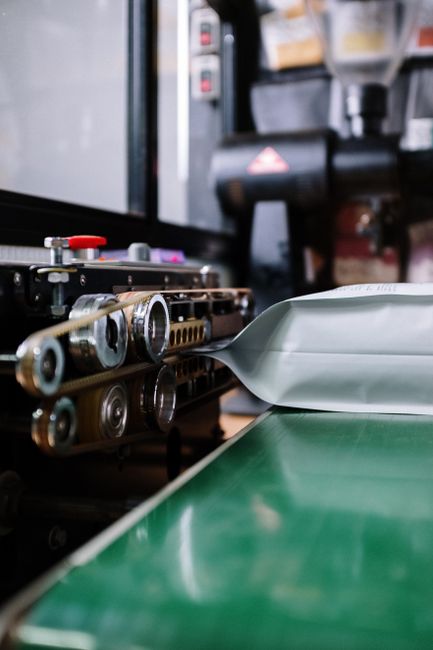
Photo by cottonbro studio on Pexels.