
Picking a plastic for food packaging usually comes down to two resins that look similar on a spec sheet but behave very differently on a filling line: polypropylene (PP) and polyethylene (PE). Choose wrong and you end up with lids that crack in the freezer, tubs that warp in the dishwasher, or bags that split during transit.
This guide breaks down how PP and PE actually differ — heat tolerance, flexibility, chemical resistance, and cost — and which one fits common container formats like tubs, clamshells, bottles, and bags.
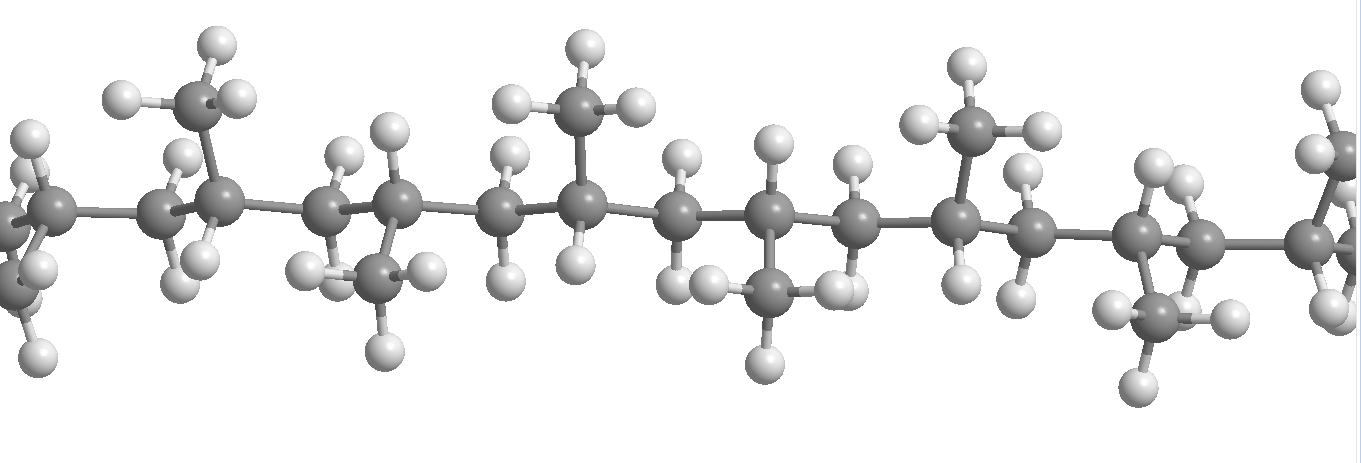
Quick Answer
Use polypropylene (PP, resin code 5) for containers that need to survive heat — microwave trays, hot-fill tubs, and dishwasher-safe lids. Use polyethylene (PE, resin codes 2 and 4) for containers that need flexibility and cold-temperature toughness — squeeze bottles, freezer bags, and film pouches. Both are FDA-approved for food contact and are BPA-free.
Key Differences That Actually Matter
Heat resistance is the biggest split between the two. Polypropylene holds its shape at roughly 130–170°C (266–338°F), which is why it’s the standard choice for microwaveable meal trays, yogurt cups, and anything that goes through a hot-fill or dishwasher cycle. Polyethylene softens at a much lower range, generally 105–115°C, so it’s a poor fit for anything reheated in the microwave — but it excels at the opposite extreme, staying flexible and impact-resistant down to very low freezer temperatures where PP can turn brittle.
Flexibility runs the other direction. PE (especially LDPE, resin code 4) is soft and stretchy, which is exactly what you want for squeeze bottles, produce bags, and film wraps that need to flex without cracking. PP is stiffer and holds a rigid shape better, but it has a distinctive failure mode: repeated hard flexing at the same spot (like a snap-hinge lid) can eventually cause it to whiten and crack, so hinge design matters more with PP.
Chemical and moisture resistance favor PP slightly for oily or acidic foods, since it resists a broader range of solvents and doesn’t absorb odors as readily. Both resins are inert to water, so neither leaches BPA or phthalates — that’s a polycarbonate (#7) and epoxy-resin issue, not a PP/PE one.
Weight and cost: PP is generally lighter for a given wall thickness and often runs slightly less expensive per part in injection-molded formats, which is why it dominates single-serve tubs (cream cheese, syrup, deli containers). PE tends to be the more economical choice for blow-molded bottles and extruded film.
Matching the Resin to Your Container Format
Rigid tubs, cups, and microwave trays: choose PP. It’s the default across foodservice for anything that needs to go from freezer to microwave to dishwasher without deforming.
Squeeze bottles, dressing and condiment bottles: choose PE (usually HDPE for structure, LDPE for the squeezable layer). The flexibility lets the bottle recover its shape after squeezing.
Bags, pouches, and film wrap: choose PE. LDPE and LLDPE are the standard here because they seal well, resist punctures, and stay pliable in cold storage.
Snap-on lids and hinged closures: this is a genuine trade-off. PP hinges (often called ‘living hinges’) work well if engineered correctly but can crack with repeated stress; PE hinges are more forgiving of flexing but won’t hold up to heat. Many manufacturers pair a PP body with a PE gasket or liner to get both properties in one container.
Retort or hot-fill pouches: PP is typically required, since PE can’t survive the sterilization temperatures involved.

Tips and Common Mistakes
Don’t assume ‘microwave safe’ labeling applies across resins — always check the container marking, since a PE tub mistakenly microwaved can warp or leach an odor into the food even though it’s not a safety hazard.
Match the resin code to your recycling stream before finalizing packaging: PP (#5) and PE (#2/#4) are accepted by more curbside programs than less common resins, but acceptance still varies by municipality, so check local rules rather than assuming.
If a container needs both rigidity and freezer toughness — like a meal-prep tub that goes freezer-to-microwave — look for copolymer PP formulations or PP blended with impact modifiers rather than plain homopolymer PP, which can go brittle in the cold.
Test the actual finished part, not just the resin datasheet. Wall thickness, gate placement, and hinge geometry change how PP and PE perform in the real world far more than the base resin spec does.
Explore more: Explore more packaging materials guides.
Polypropylene vs Polyethylene FAQs
Is polypropylene or polyethylene better for microwave use?
Polypropylene. Its higher heat tolerance (roughly 130–170°C) lets it survive microwave reheating without warping, while standard polyethylene softens at a lower temperature and isn’t recommended for microwave use.
Are polypropylene and polyethylene both BPA-free?
Yes. Neither resin uses BPA in its production. BPA is associated with polycarbonate (#7) and certain epoxy linings, not with PP (#5) or PE (#2/#4).
Which plastic is more flexible, PP or PE?
Polyethylene, particularly LDPE, is significantly more flexible and stretchy, which is why it’s used for squeeze bottles and film bags. Polypropylene is stiffer but generally more resistant to cracking under impact at room temperature.
Can I put a polyethylene container in the freezer?
Yes — PE typically stays flexible and durable at much lower temperatures than PP, making it a strong choice for frozen food packaging, whereas plain PP can become brittle in extreme cold.
Source Smarter With Packaura Direct
Find packaging suppliers, surplus inventory, and certification — all on Packaura Direct. Try Packaura Direct.
Photo: PakpongICCH444 / CC BY-SA 4.0, via Wikimedia Commons.