
If you’re choosing a shrink film for anything that touches food — produce, baked goods, meat trays, gift baskets with snacks inside — the material matters a lot more than the price tag. Polyolefin and PVC look almost identical on a roll, but they’re chemically very different, and only one of them is routinely accepted for direct food contact.
This guide breaks down what separates the two films, why PVC keeps showing up in food-safety conversations, and how to make sure the shrink wrap you’re buying actually matches what you’re packaging.
Quick Answer
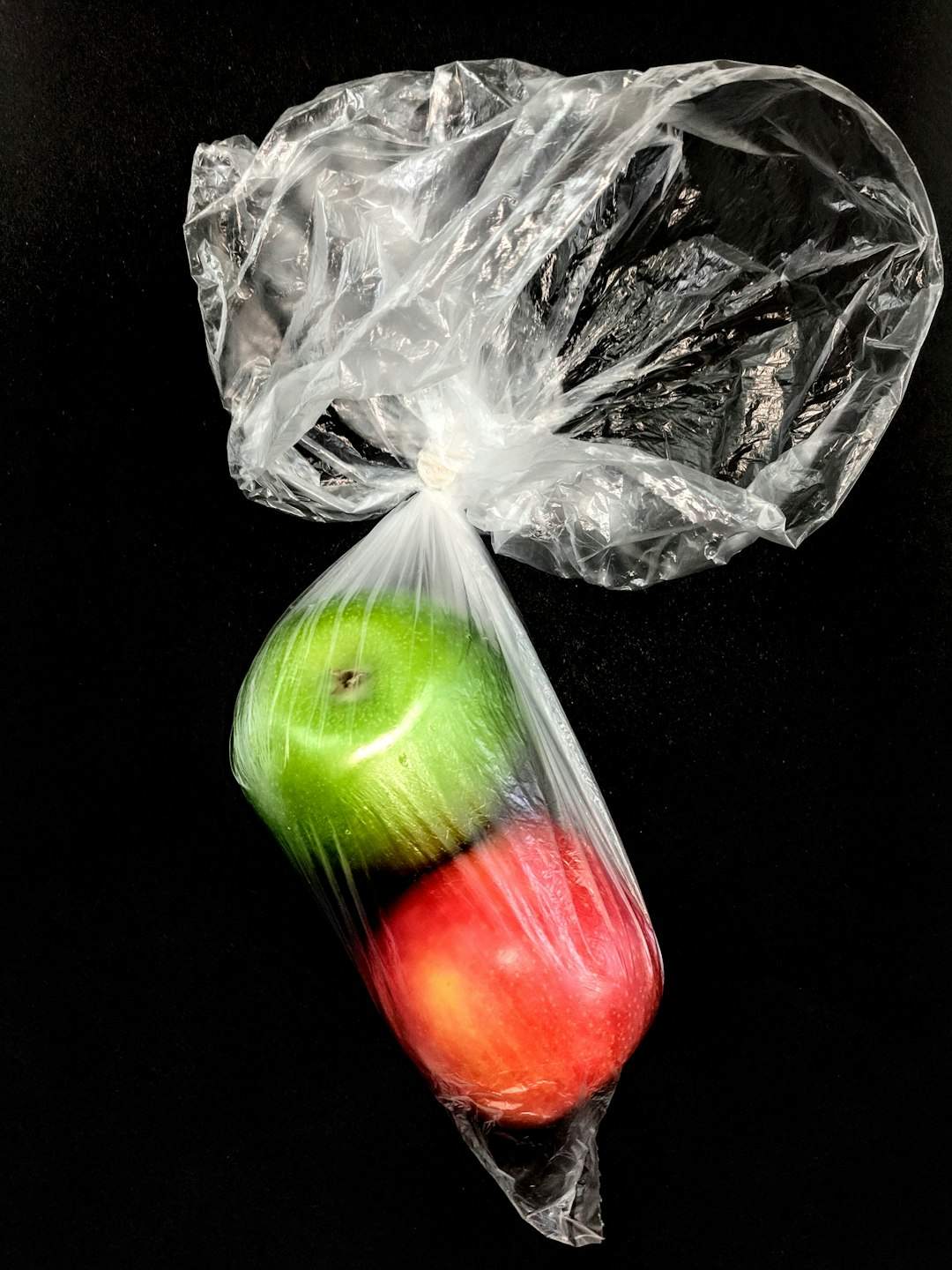
Polyolefin (often sold as POF) is the food-safe default: it’s made without chlorine or plasticizers and is widely sold as FDA-compliant for direct food contact. PVC shrink film is generally not considered food-safe for direct contact because it relies on plasticizer chemicals to stay flexible, and those plasticizers can migrate into food — especially fatty items like cheese and meat. If a product is going to touch food directly, reach for polyolefin and confirm the compliance claim in writing.
Why PVC Is the Riskier Choice for Food
PVC (polyvinyl chloride) is naturally rigid, so manufacturers add plasticizers to make it soft and stretchy enough to shrink around a product. Older PVC films commonly used phthalate-type plasticizers or substitutes like DEHA. The problem is that these additives aren’t chemically bound to the plastic — they can migrate out of the film and into whatever it’s touching, and that migration increases with fat content and with heat (think a block of cheese or a tray of deli meat sitting under warm lights).
This is also why PVC is losing ground on the regulatory side. Maine has banned the intentional use of phthalates in food packaging since 2022, Vermont restricts phthalates in food packaging as well, and several other states have introduced similar bills targeting PVC and PVC-adjacent packaging in recent sessions. Even where PVC isn’t outright banned, retailers and co-packers are increasingly wary of it for anything food-adjacent.
There’s a secondary issue too: PVC releases hydrogen chloride gas when it’s cut with hot wire or heat-sealed, and it produces chlorine-containing byproducts if it’s ever incinerated. That’s a workplace air-quality and disposal concern on top of the food-contact issue.
Why Polyolefin Is the Standard for Food Packaging
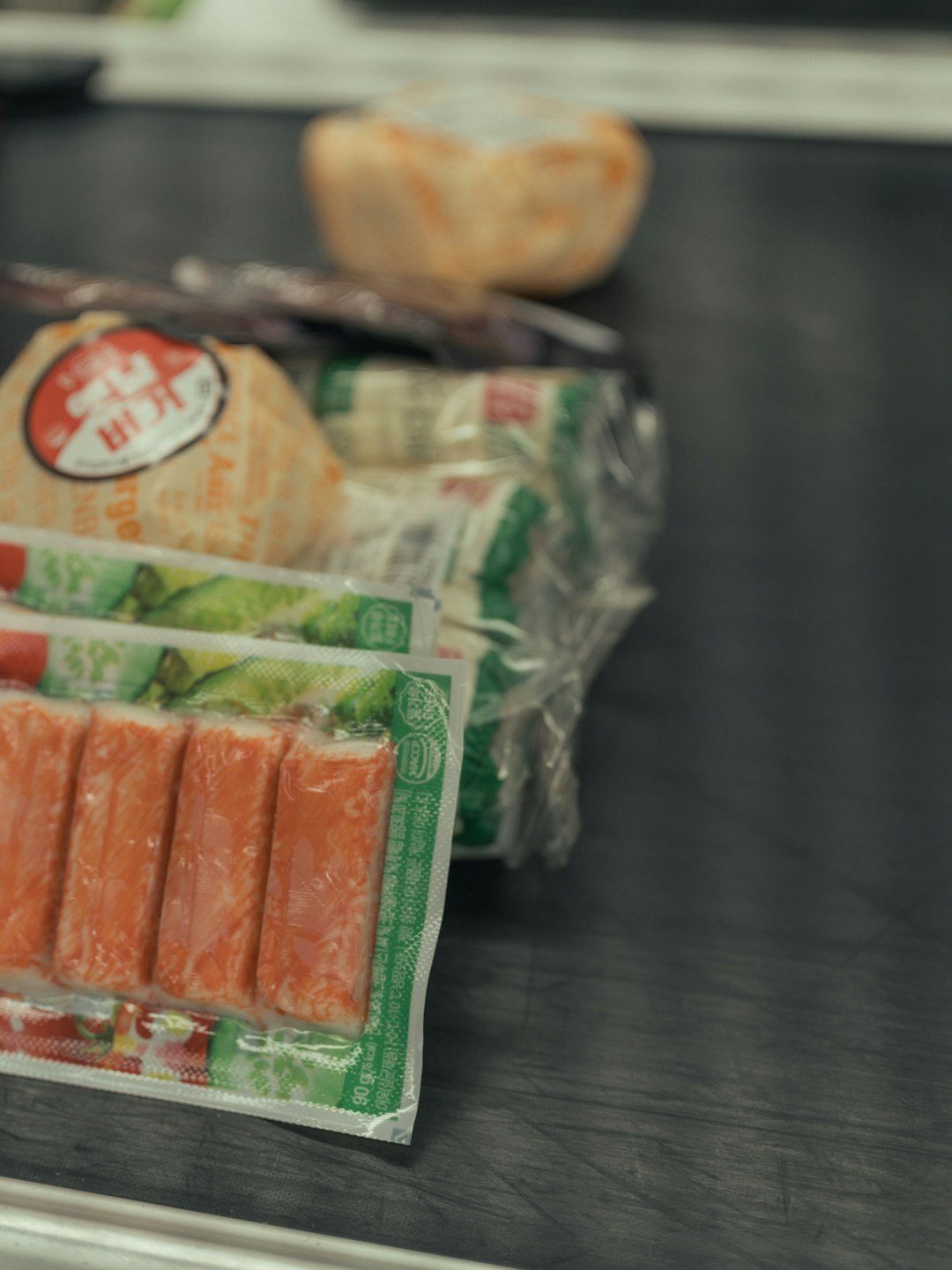
Polyolefin shrink film is typically a multi-layer blend of polyethylene and polypropylene. It doesn’t need plasticizers to stay flexible, and it contains no chlorine, so it doesn’t carry the same migration or combustion concerns as PVC. That’s why it’s the film you’ll see wrapping fresh produce, bakery items, meat and poultry trays, and multi-packs of food products on grocery shelves.
When you’re sourcing polyolefin for food use, look for the supplier to explicitly state FDA food-contact compliance (commonly referenced against the FDA’s food-contact substance regulations for polyolefin resins) rather than just assuming it because the film is labeled “polyolefin.” Reputable shrink-film suppliers will state this clearly on the spec sheet or product listing — if they don’t, ask before you buy.
Polyolefin also tends to be the better performer technically: it’s clearer, more puncture-resistant, and shrinks tighter around irregular shapes than PVC, which is part of why it has become the default for retail food bundling even where food safety isn’t the deciding factor.
Tips / Common Mistakes
Don’t assume ‘food grade’ is implied. Shrink film sold generically for packaging and shipping — including a lot of cheap PVC — is not labeled or tested for food contact. If the product listing doesn’t say FDA-compliant or food-contact safe, treat it as non-food packaging only.
Separate ‘touches food’ from ‘wraps around food packaging.’ A box or clamshell that fully encloses the food item can sometimes be shrink-wrapped in a non-food-contact film, since the film only touches the outer packaging, not the food itself. The compliance question is really about what the film physically contacts.
Watch fatty and warm foods especially closely. Migration risk from any plasticized film goes up with fat content and temperature, so meat, cheese, and baked goods are the categories where the polyolefin-vs-PVC choice matters most.
Get it in writing. If a supplier claims their film is food-safe, ask for the compliance statement or certificate of conformance referencing the relevant FDA food-contact regulation, not just a verbal assurance.
Check your state’s packaging rules. With more states restricting phthalates and PVC in packaging, confirm your shrink film is still compliant in every state you ship or sell into, not just where your facility is located.
Explore more: More packaging compliance guides.
Polyolefin vs. PVC shrink wrap FAQs
Is all shrink wrap food-safe?
No. A lot of commercial shrink film is made for shipping and retail bundling, not food contact, and isn’t tested or labeled as food-safe. Always check for an explicit FDA food-contact compliance statement before using any shrink film directly on food.
Can PVC shrink wrap ever touch food?
Some PVC formulations are made specifically for short-term meat overwrap on in-store wrapping machines, but that’s a different, food-grade formulation than standard PVC shrink film used for retail bundling or shipping. General-purpose PVC shrink film should not be assumed safe for direct food contact.
Why is polyolefin considered safer than PVC?
Polyolefin doesn’t require plasticizer chemicals to stay flexible and contains no chlorine, so it doesn’t carry the same risk of plasticizer migration into food or chlorine-related byproducts that PVC does.
Does polyolefin cost more than PVC?
Polyolefin typically costs a bit more per roll than PVC, but for food-related packaging the compliance and liability benefits generally outweigh the price difference.
Find the Right Packaging Supplier
Search the free Packaura supplier directory — filter by material, certification, and location to find vetted suppliers. Search the Supplier Directory.
Want packaging news in your inbox? Subscribe to the free newsletter.
Photo by Sophia Marston on Unsplash.