
If you make or sell candles, the vessel isn’t just a container — it’s part of the product’s safety profile, shipping cost, and shelf appeal. Glass, tin, and concrete each burn differently, ship differently, and send a different signal to the customer before they ever light the wick.
This guide breaks down how the three most common candle packaging materials compare on heat performance, cost, durability, and sustainability, so you can match the vessel to your product line and avoid costly reshipments or safety issues.
Quick Answer
Glass jars are the default choice for showing off wax color and layering and are fully recyclable, but they’re heavy and can crack from thermal shock. Tins are lighter, cheaper to ship, and hide pour imperfections, but they conduct heat to the outside walls faster. Concrete vessels cost more and weigh more upfront, but they’re reusable, heat-resistant, and reinforce a premium, sustainable brand position.
How Each Material Performs
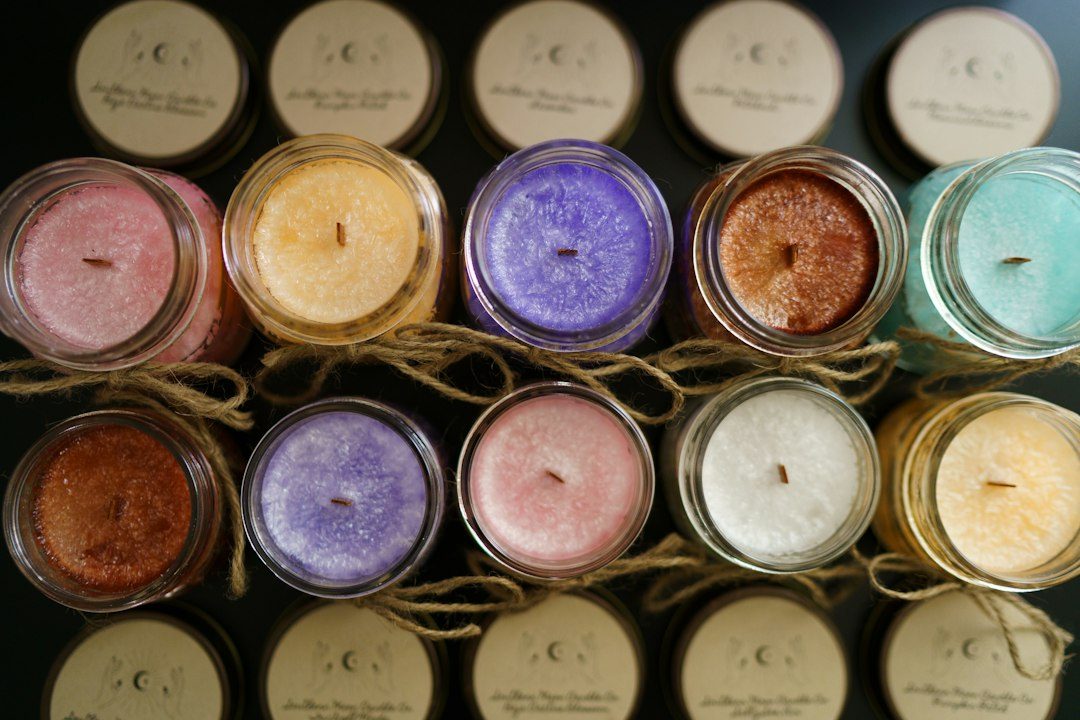
Glass jars let the candle’s color and any decorative layering show through, which makes them popular for scented and novelty candles. Soy and coconut wax blends pair well with glass because their lower pour temperatures reduce the risk of thermal shock cracking. The tradeoff is weight — glass adds noticeably to shipping costs compared to tin or thin-walled alternatives — and the base of a glass container takes the most sustained heat as the wax pool deepens during a burn, which is why wide, shallow, thin-based jars are the most common source of cracked containers.
Tins are lighter and more impact-resistant in transit, which lowers both shipping costs and breakage-related returns. Because you can’t see the wax through metal, tins also forgive cosmetic issues like frosting, wet spots, or uneven pours that would be visible in glass. The downside is heat transfer: a tin heats up along its outer walls and base much faster than a thick glass jar during a burn, so tins can get hot to the touch and shouldn’t be set directly on heat-sensitive surfaces.
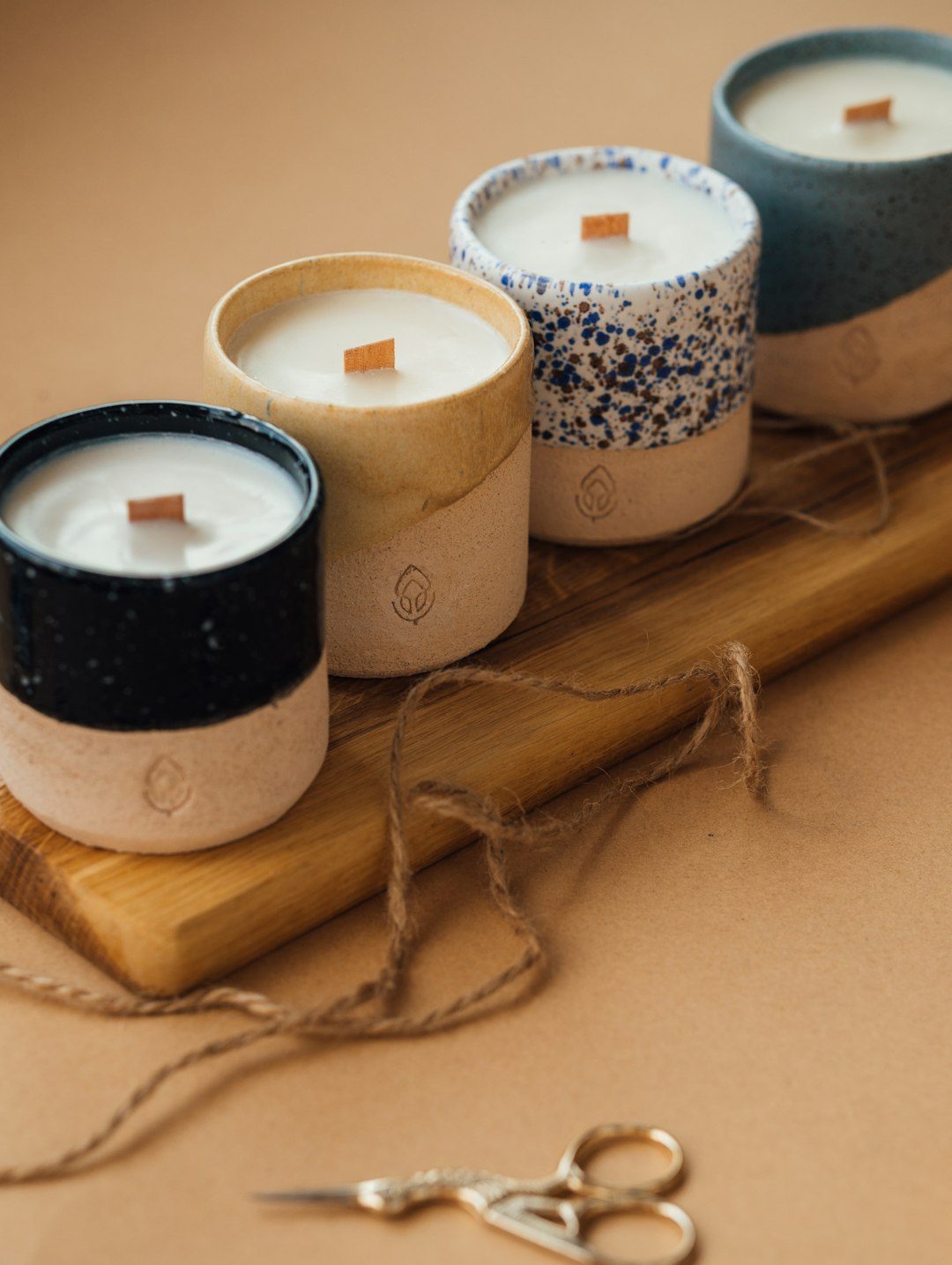
Concrete vessels are heat-resistant and durable, and because they’re thick-walled and opaque, they tend to handle sustained burns well once a vessel design has been test-burned. They’re heavier than tins and often than glass, which raises shipping cost, and the upfront unit cost is typically the highest of the three. Concrete is naturally porous, so vessels intended for candle use are usually sealed before the wax is poured to prevent oil absorption and staining.
Cost, Safety, and Sustainability Tradeoffs
On cost, tins are generally the cheapest to source and ship, glass sits in the middle, and concrete commands the highest unit price — a premium many brands recover through higher retail pricing on gift or home-decor lines. Glass containers used for candles should meet thermal-shock and annealing requirements under ASTM F2179, which covers soda-lime-silicate glass specifically made for candle use; sourcing jars labeled as ‘candle-safe’ rather than repurposed food jars is the safer route. Across all three materials, it’s worth test-burning the finished candle against the voluntary ASTM F2417 fire-safety specification, which covers flame height, tip-over, and candle-container performance.
It’s worth separating vessel performance from label requirements. ASTM does publish a voluntary candle labeling standard, F2058, but it only specifies one standardized consumer fire-safety warning — covering things like keeping the candle within sight, away from items that can catch fire, and out of reach of children and pets — and that same warning text applies uniformly to a unit of sale. Neither F2058 nor F2417 prescribes different wording or different requirements based on a vessel’s material or its expected burn time, and none of these ASTM standards are legally mandated in the U.S.; they’re industry consensus standards that most reputable wax, wick, and container suppliers choose to build to, and following them is the accepted way to catch problems before a vessel design ships.
Sustainability positioning differs by material. Glass and metal tins are both widely recyclable through standard municipal programs, and tins are often reused by customers as storage tins once empty. Concrete vessels are marketed less around recycling and more around reuse — brands increasingly sell empty refillable concrete vessels or design them to double as planters, pen holders, or catchall dishes after the candle is gone, which extends the product’s life beyond a single purchase.
Tips / Common Mistakes
Don’t reuse random glass jars (like food jars) for candles without verifying they’re rated for the thermal cycling of a burning candle — untested glass is a leading cause of cracking complaints. Always burn-test a new vessel and wax combination for several hours before launching it, regardless of material. If you’re shipping tins or concrete vessels, remember that tins need dent protection and concrete needs weight-appropriate boxing, since underestimating vessel weight is a common source of shipping-cost surprises. Finally, seal porous concrete vessels before pouring to prevent oil migration and staining, and put the same standard fire-safety warning — never leave a burning candle unattended, keep it away from flammable materials, and burn within sight and out of reach of children and pets — on every vessel; the voluntary labeling guidance doesn’t call for different wording based on the material or how long a candle is expected to burn.
Explore more: more packaging material guides.
Candle packaging materials FAQs
Which candle vessel material is cheapest to ship?
Tins are typically the cheapest and most damage-resistant to ship, since they’re lighter and far less prone to breaking in transit than glass or concrete.
Are concrete candle vessels safe to burn in?
Yes, when the vessel has been sealed to prevent oil absorption and burn-tested with the specific wax and wick combination for several hours to confirm it handles sustained heat without cracking or overheating.
Why do some glass candle jars crack during burning?
Cracking is usually caused by thermal shock — often from a thin or wide, shallow base that takes concentrated heat as the wax pool deepens, or from using glass that wasn’t annealed for candle use.
Can candle tins be recycled?
Yes, metal tins are widely accepted in standard recycling programs once the wax residue is cleaned out, and many customers reuse them as storage containers before recycling.
Does U.S. law require different candle warning labels for different vessel materials?
No. The relevant ASTM labeling standard (F2058) is voluntary, not a legal mandate, and it specifies one uniform fire-safety warning that applies the same way regardless of the vessel’s material or the candle’s burn time.
Find the Right Packaging Supplier
Search the free Packaura supplier directory — filter by material, certification, and location to find vetted suppliers. Search the Supplier Directory.
Want packaging news in your inbox? Subscribe to the free newsletter.
Photo by Hanna Balan on Unsplash.