
A coffee bag has one job before it ever reaches a customer’s cup: keep the beans as fresh as the day they were roasted. But it also has to do a second job at the same time — stop a browsing shopper or scrolling customer long enough to pick your bag over the one next to it. Getting both right isn’t about picking a pretty color palette; it’s about a handful of material and structural decisions that protect the coffee, plus design choices that signal quality.
This guide walks through what actually preserves freshness (barrier layers, valves, seals), how to translate that into a package that looks premium, and the mistakes that quietly undercut both.
Quick Answer
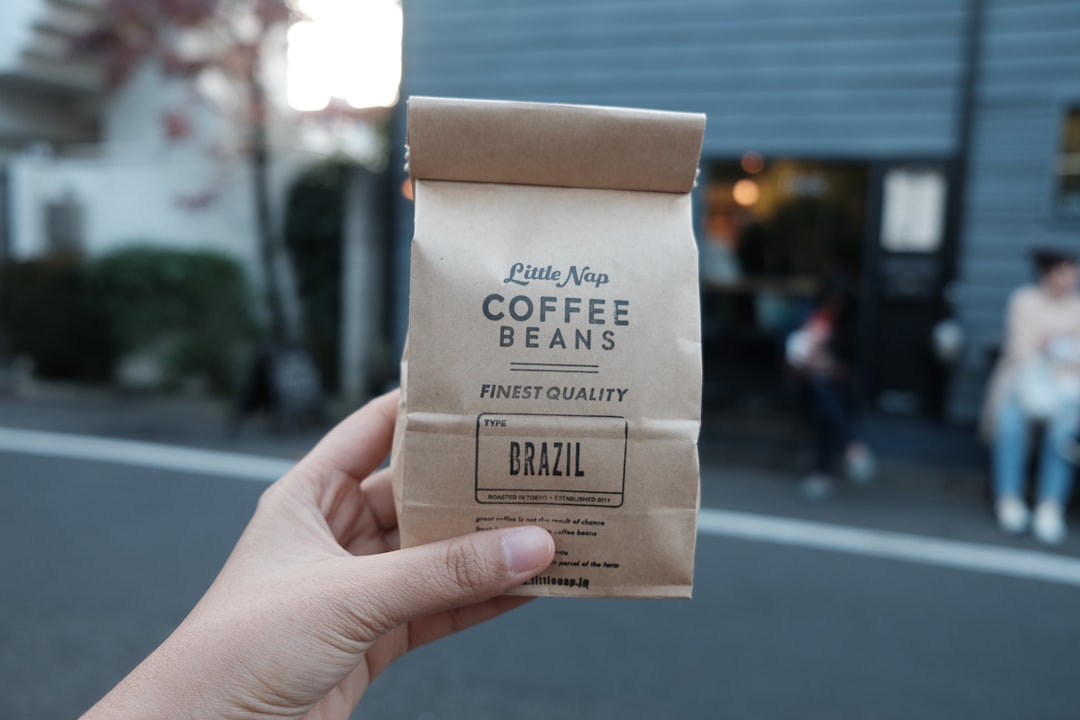
Freshness-preserving coffee bag design comes down to three things: a high-barrier material (foil or metallized laminate) that blocks oxygen, moisture, and light; a one-way degassing valve so CO2 from fresh roast can escape without letting oxygen in; and a tight, well-tested seal. Once those are locked in, the ‘premium’ look comes from restrained, high-contrast branding, a matte or soft-touch finish, and a bag format (stand-up pouch, flat-bottom, or box pouch) that matches your price point.
What Actually Keeps Coffee Fresh
Roasted coffee is at war with three things: oxygen, moisture, and light — all of which speed up staling and flavor loss. The barrier layer inside your bag’s laminate is what stops them. A foil-lined bag (a thin layer of aluminum foil sandwiched between an outer print layer and an inner sealant) gives the strongest oxygen and moisture barrier, which is why it’s the standard for whole bean and ground coffee meant to sit on a shelf for weeks or months. Metallized film (a plastic film with a vapor-deposited metal layer) is lighter and generally less expensive than foil, with strong barrier performance that’s more than adequate for most retail coffee, though foil still edges it out for long-term protection.
Freshly roasted coffee also releases carbon dioxide for days after roasting. Without an escape route, that gas builds up and can split a seam or blow out a seal. A one-way degassing valve solves this: it opens under internal pressure to let CO2 out, then closes again so outside air can’t get in. If you sell whole bean or ground coffee that ships or sits on shelf soon after roasting, a valve isn’t optional — skip it and you risk bloated, leaking, or burst bags. Bags meant to be used almost immediately (some subscription or local-only models) can sometimes skip the valve, but it’s the safer default for any coffee brand.
Light is the third factor, and it’s often overlooked in design because clear windows look appealing. UV exposure degrades coffee oils and accelerates staling, so fully opaque bags (solid color or foil-backed) protect freshness better than bags with large clear windows. If you want a window to show off the beans, keep it small and consider whether it’s worth the freshness tradeoff for your shelf life needs.
Designing the Bag: Format, Finish, and Branding
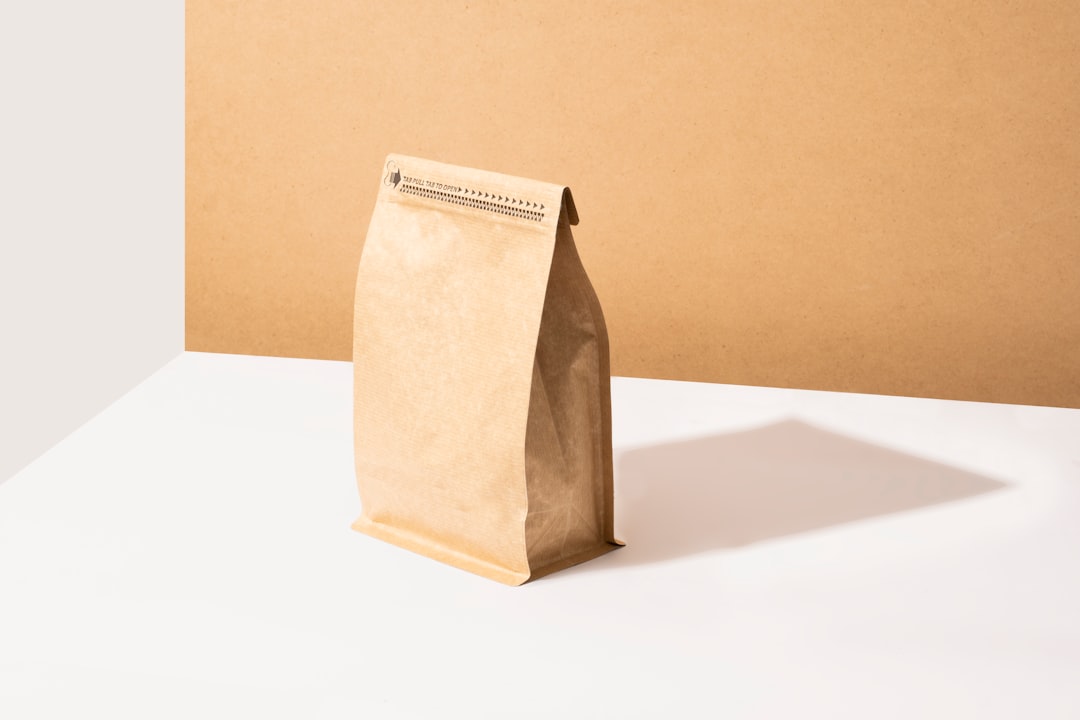
Start with the format. Stand-up pouches (with a side or bottom gusset) are the most common choice for retail coffee — they display well upright on a shelf and hold their shape. Flat-bottom (box) pouches look more structured and premium, closer to a rigid box, and are popular for higher-price specialty coffee. Flat pillow bags are the cheapest option and work fine for subscription or online-only brands where shelf presence matters less.
Next, choose your closure. A resealable zipper strip keeps beans fresh between pours and is worth the small added cost for any bag over roughly 8–12 oz, since most customers don’t finish a bag in one sitting. Heat-sealed bags without a zipper are cheaper but rely entirely on the customer using a clip or transferring beans to another container.
For the look itself, current packaging trends favor simplicity: solid, low-saturation background colors with generous negative space read as premium and photograph well for e-commerce, while busy, all-over prints tend to look cheaper and get harder to read at a glance. Use one or two accent colors tied to flavor notes or origin rather than literal illustrations of every tasting note. A matte or soft-touch laminate finish signals quality more reliably than gloss, and spot UV or foil-stamped accents on your logo can add a premium touch without redesigning the whole bag.
Legally, U.S. packaging only has to carry a few things: a statement of identity (such as ‘Ground Coffee’ or ‘Whole Bean Coffee’), the net weight in both ounces/pounds and grams, and your business name and address — an ingredients list is only needed if you’ve added flavorings, and plain roasted coffee doesn’t require a Nutrition Facts panel. Roast date isn’t a required label element, and roasted coffee is actually carved out from the country-of-origin marking rule that applies to most imported goods, so printing where the beans came from is a voluntary choice, not a legal one. Specialty buyers expect roast date and origin details anyway, so most brands print them regardless. Keep all of this legible and out of the way of your main design, usually on a back panel or bottom gusset, so it doesn’t compete with the brand mark on the front.
Tips and Common Mistakes
Don’t skip the valve to save a fraction of a cent per bag — a burst or bloated bag on a retail shelf does more brand damage than the savings are worth. Don’t oversize the clear window; a small viewing panel satisfies curiosity without exposing most of the beans to light. Test your seal integrity before a full print run, especially if you’re switching suppliers or materials — a weak seal defeats an otherwise good barrier film. If you’re weighing sustainable materials (mono-material recyclable film, kraft-paper-and-PLA compostable structures, or bags with post-consumer recycled content), confirm the barrier performance holds up for your typical time-to-sale; newer mono-material and recyclable-valve options have closed much of the gap with traditional foil, but not all suppliers’ versions perform the same. Finally, before committing to a full custom print run, check minimum order quantities — many suppliers now offer low-MOQ digital printing for small roasters, which is far more forgiving than traditional plate-based printing if you want to test a design before a big order.
Explore more: More packaging design guides.
Coffee Bag Packaging Design FAQs
Do all coffee bags need a one-way valve?
Any bag holding coffee that’s freshly roasted (which continues releasing CO2 for days) should have one, especially whole bean or ground coffee sold soon after roasting. It vents gas without letting oxygen back in, preventing both spoilage and bag rupture.
Is foil or metallized film better for coffee packaging?
Foil-lined bags offer the strongest oxygen and moisture barrier and are the standard for coffee meant to stay fresh for months. Metallized film is lighter, usually cheaper, and still performs well for coffee sold and consumed within a few weeks to a couple of months.
Is a roast date legally required on coffee packaging?
No. The required label elements are a statement of identity, net weight in ounces/grams, and the packer’s business name and address. Roast date isn’t mandated, and roasted coffee is specifically exempted from the country-of-origin marking rule that applies to most other imported goods — so origin, like roast date, is something roasters add because buyers expect that transparency, not because the law requires it.
Find the Right Packaging Supplier
Search the free Packaura supplier directory — filter by material, certification, and location to find vetted suppliers. Search the Supplier Directory.
Want packaging news in your inbox? Subscribe to the free newsletter.
Photo by Lex Sirikiat on Unsplash.
1 thought on “How to Design Coffee Bag Packaging for Freshness and Style”
Comments are closed.